Federal Reserve Hikes Rates to 4% as Trade War with Canada Pressures US Economy
The U.S. Federal Reserve raised interest rates by a quarter point, setting them in a range of 3.75% to 4%, to curb inflation. This decision comes amidst escalating trade tensions with Canada, with new tariffs threatening consumer prices.
ByPedro Llerena4 min read
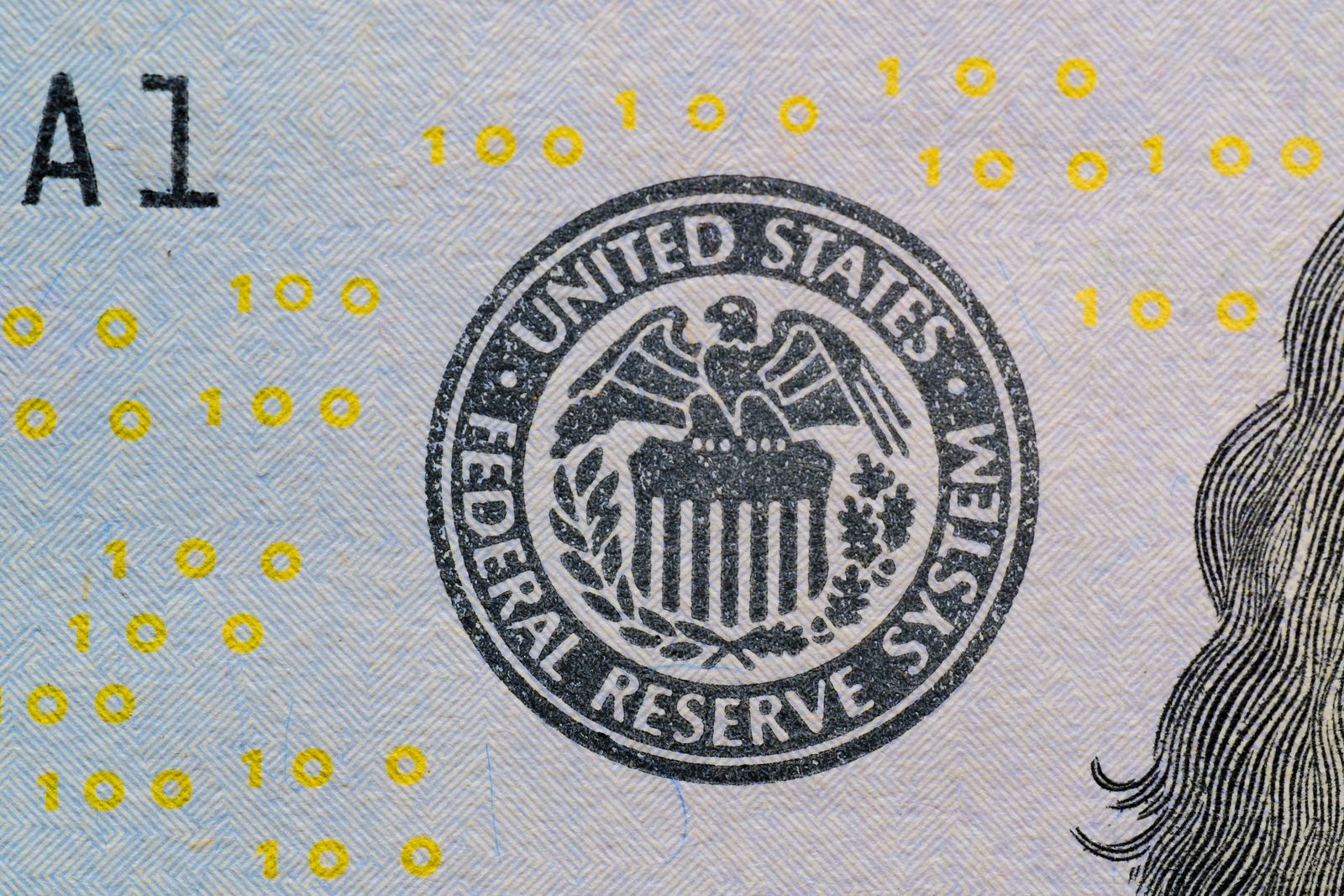
The U.S. economy is navigating a complex period. The Federal Reserve (Fed) has just raised its interest rates for the first time since July 2023, in an attempt to control what it deems “too high” inflation. This decision, announced just weeks before the mid-term elections, was made despite President Donald Trump's pressure to keep rates low, as reported by El Tiempo.
Concurrently, the Trump administration has intensified a trade war with Canada, imposing new tariffs that are expected to drive up prices and add uncertainty for consumers and businesses. These economic developments are unfolding against a backdrop of widespread discontent and unfavorable polls for Republicans ahead of crucial elections.
Federal Reserve Acts Against Inflation
The U.S. central bank raised rates by a quarter of a percentage point, placing them in a range of 3.75% to 4%. According to El Tiempo, Federal Reserve Chairman Kevin Warsh explained that the goal is to combat persistent high inflation. This move is particularly notable as it occurs less than two months before the mid-term elections and goes against President Trump's expressed wishes.
Higher rates typically make borrowing more expensive for businesses and consumers, which, in theory, should cool the economy and moderate prices. However, they can also slow growth and increase costs for those with debt.
Trade Tensions with Canada Escalate
While the Fed was making these decisions, the trade relationship with Canada reached a new critical point. Following a stalemate in negotiations, President Trump imposed 50% tariffs on dozens of Canadian products, as reported by El Observador. Canadian Prime Minister Mark Carney responded by announcing that Canada will match these levies “dollar for dollar” with retaliatory tariffs starting September 8.
This escalation is causing widespread concern. Mike Pence, who served as Vice President during Trump's first term, warned on CNN that a trade war with Canada is “the last thing we need right now, as our economy recovers.” Republican Senator Susan Collins of Maine, a state with a significant border with Canada, stated that tariffs will increase costs for families and businesses, as additional costs are typically passed on to consumers. Maine imports approximately $2 billion in non-petroleum products from Canada each year.
Michigan Governor Gretchen Whitmer added on her X account that tariffs act “as a tax hike for Michigan families and businesses” by making prices at the grocery store and gas pump more expensive. Neel Kashkari, President of the Federal Reserve Bank of Minneapolis, emphasized that Canada is a key trading partner for the United States, with trade reaching $880 billion in 2025.
Economic Discontent and the Elections
These economic challenges come at a sensitive time for the Trump administration. Public debt has reached a record $40 trillion. Fuel prices have also surged; gasoline rose 40% since the start of the conflict with Iran, reaching $4.11 per gallon, and diesel hit $5.58, surpassing the average during Joe Biden's term, according to El Observador.
Although annual inflation slowed to 3.4% in July, after reaching 4.2% in May, it remains a concern. Economic growth, at 1.5% annualized, is well below initial projections. This landscape is reflected in polls: a Focaldata study, published by the Financial Times, revealed that 53% of registered voters feel their finances have worsened since Trump's return to the White House in January 2025. Only 24% of Americans rate the current state of the economy as good, according to the Pew Research Center.
This widespread discontent could significantly impact the mid-term elections, where control of Congress will be decided. Trade tensions and the Fed's decisions further complicate the outlook for the ruling party.
Why it matters
The Federal Reserve's rate hike and the escalating trade war with Canada are two open fronts directly impacting the U.S. economy. Consumers could face higher prices, and businesses would encounter greater uncertainty, affecting employment and production. These developments not only shape the daily cost of living for millions but could also decisively influence voter sentiment ahead of the upcoming elections, testing the White House's economic strategy.
Script for your video
Runs about 41 secMake short videos? This script sums up the story so you can read it off your teleprompter and record a Reel, a Short, or a TikTok.
Title for your video
Economic Alert! Fed hikes rates, Canada trade war hits your
How to use it
- 1Pick the length — 1 or 2 minutes — and tap “Copy script.”
- 2Paste it into the teleprompter app on your phone, or read it off the screen.
- 3Record vertically and post it to Reels, Shorts, or TikTok.
It's free to use, and you can monetize your video. We only ask that you say where you read it: the script already ends with “The full story is on losupe.com.”
Sources
TopicsEconomyUnited StatesInflationFederal ReserveTariffsCanada



