Lucas Museum in Los Angeles: A New Future for Art or the End of Traditional Museums?
George Lucas's ambitious project in Los Angeles is opening its doors and sparking a cultural debate. With an innovative focus on narrative and digital art, many are wondering if this new approach will forever change what we expect from an art museum, according to a recent review in The Washington Post.
ByAndreea Blidar3 min read
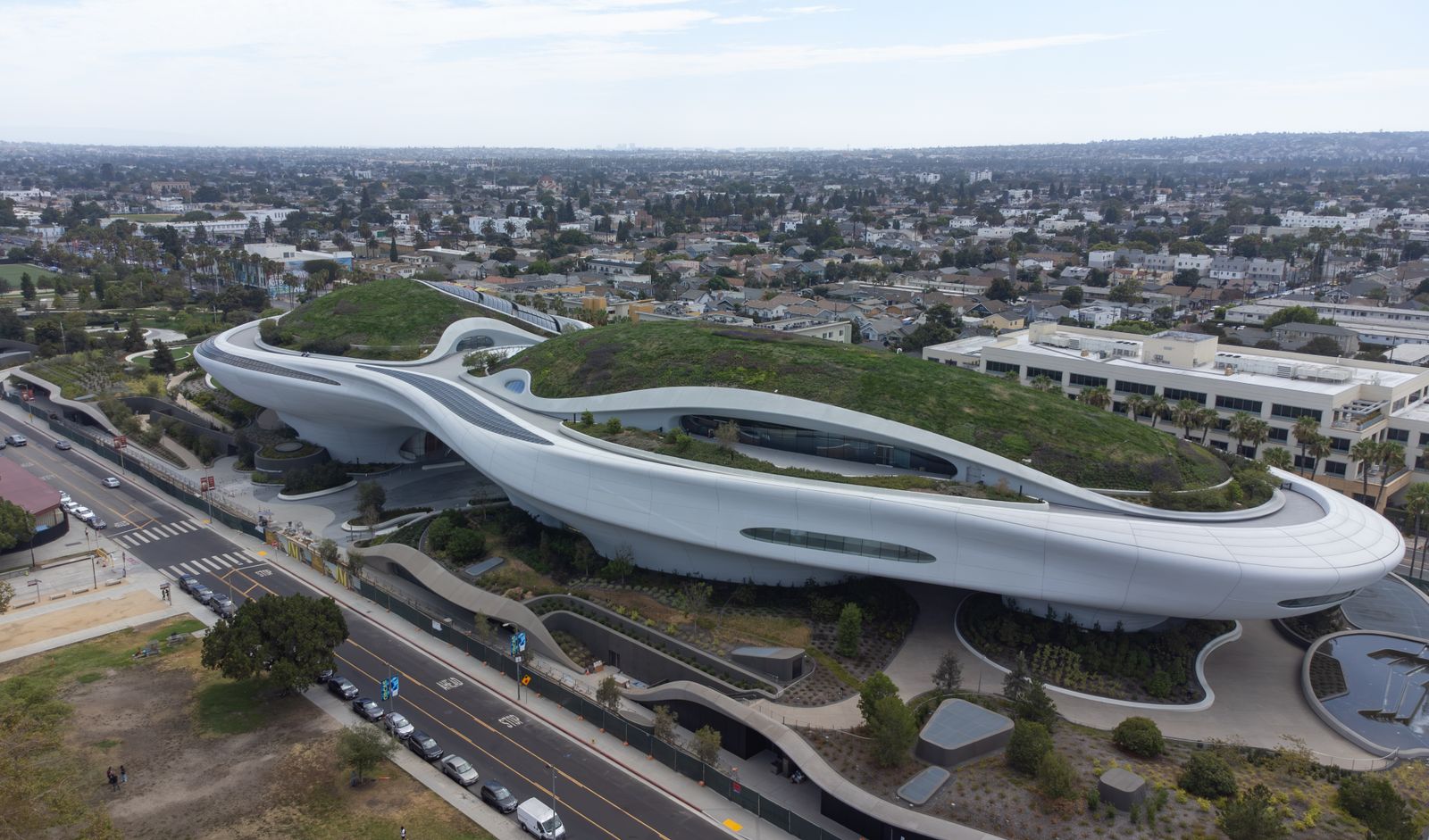
The Lucas Museum of Narrative Art, filmmaker George Lucas’s colossal pet project in Los Angeles, has now opened its doors and is generating a fascinating conversation in the art world. It's not just another impressive new building in Exposition Park; it’s a proposal that challenges our understanding of a traditional museum, as highlighted in a recent The Washington Post review. Its opening doesn't just add another cultural space to the city, but also raises questions about the future of art and how we experience it.
This museum, an idea Lucas has nurtured for decades, focuses on narrative art, a broad concept that spans from classic illustrations and comic books to digital art and the complex designs behind films. With a very particular vision, it aims to present art in a more accessible way, connected to the stories we tell, breaking away from the formality sometimes attributed to older art galleries.
A Collection That Tells Stories
What makes the Lucas Museum special is its collection. Here, you won't find only abstract paintings or ancient sculptures, but a wide range of works that share a common thread: they all tell a story. Imagine seeing original sketches from iconic films, costumes that defined an era, comic art that shaped generations, or illustrations that accompanied children's and fantasy books. The museum aims to celebrate visual storytelling in all its forms.
This varied and sometimes unexpected selection for a museum includes pieces by great illustrators like Norman Rockwell, digital artworks exploring new creative frontiers, and even props and models from the Star Wars saga itself. George Lucas wanted to create a space where the artistic value of these forms of expression, which historically haven't always had a prominent place in established art circles, is recognized.
Challenging the Conventional
The Lucas Museum's proposal goes beyond its content. Its architecture, designed by MAD Architects, is already a statement. With its fluid, futuristic forms, the building itself is a work of art that invites exploration. But the real challenge lies in how the museum seeks to engage with its audience.
Unlike many traditional museums that can feel distant or solemn, the Lucas Museum aspires to be a place of dialogue. It seeks to demonstrate that the stories and characters that accompany us in film, television, or books have profound cultural and artistic value. This perspective can make art more appealing to new generations and to people who might not feel comfortable in more classic museum settings, as highlighted by The Washington Post review.
Impact on Los Angeles's Cultural Ecosystem
The arrival of the Lucas Museum in Los Angeles is significant. The city is already a major cultural hub, with institutions like LACMA, the Getty Center, and the Broad Museum. The new museum joins this offering, but it does so with a very defined personality that could both complement and challenge existing institutions to reconsider their own strategies and collections.
Its focus on narrative and popular art could attract a different audience, broadening the visitor base for the city's museums. It might even inspire other museums to explore less conventional collections or find new ways to connect with their audiences, recognizing art in forms that were not previously considered part of the canon.
Why it matters
The Lucas Museum isn't just another addition to the cultural landscape; it's a bold statement about what art can be and who it's for. By embracing popular and digital forms, it’s sparking a conversation about how museums evolve to stay relevant in a changing world. Whether it signals the end of traditional art museums or simply expands our definition of art, its influence on how we engage with creative expression will be felt for years to come.
Script for your video
Runs about 52 secMake short videos? This script sums up the story so you can read it off your teleprompter and record a Reel, a Short, or a TikTok.
Title for your video
Lucas Museum: Art revolution or end of tradition?
How to use it
- 1Pick the length — 1 or 2 minutes — and tap “Copy script.”
- 2Paste it into the teleprompter app on your phone, or read it off the screen.
- 3Record vertically and post it to Reels, Shorts, or TikTok.
It's free to use, and you can monetize your video. We only ask that you say where you read it: the script already ends with “The full story is on losupe.com.”
Sources
TopicsGeorge LucasMuseumsArtLos AngelesCulture



