Hydropower: Benefits, Risks, and How Large Projects Are Built Safely
Hydropower projects are vital for clean energy and economic growth, yet their construction involves significant challenges and risks. Understand how they work, their costs, impact, and the critical importance of safety.
ByAndreea Blidar5 min read
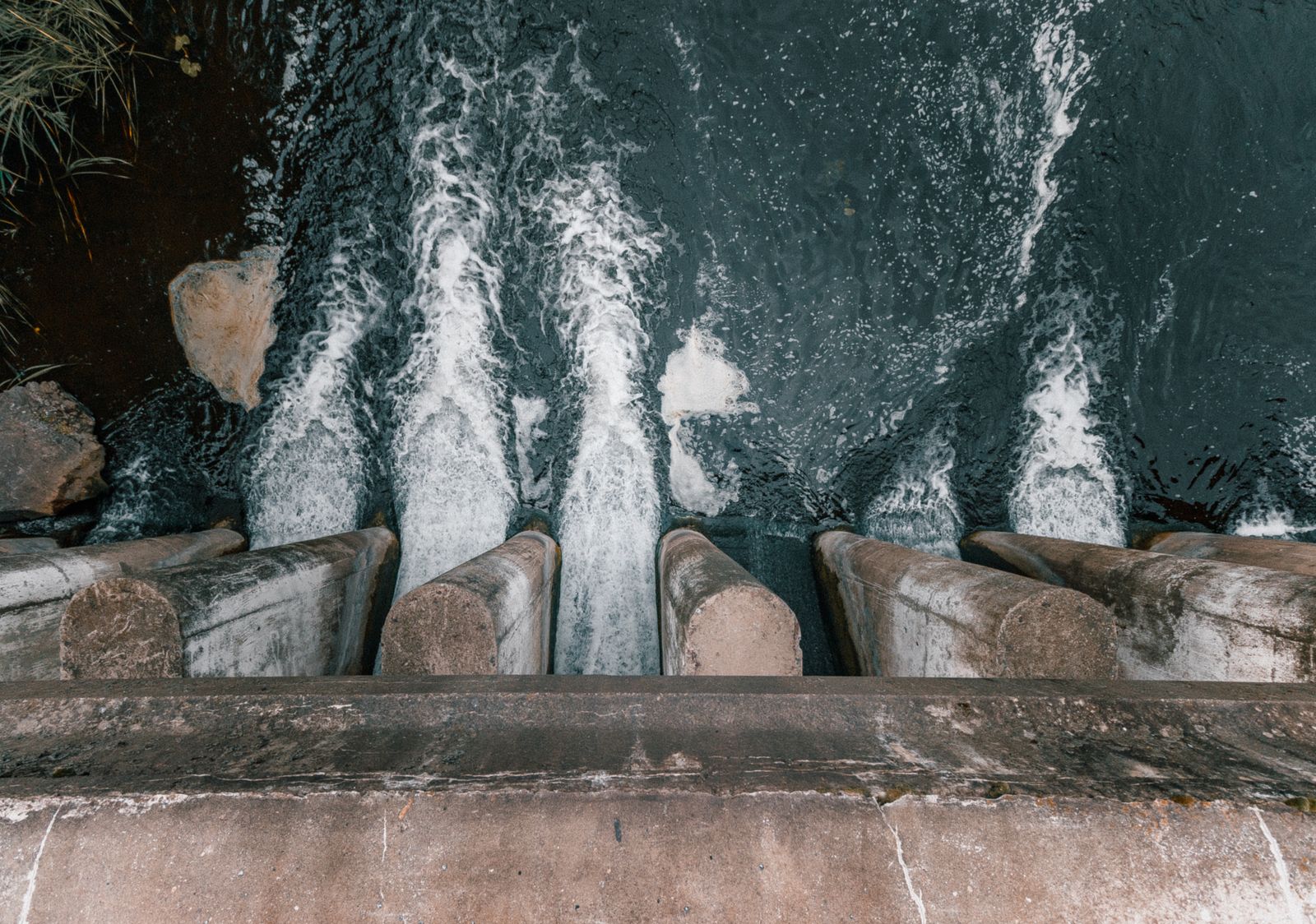
Hydropower is a powerful and clean energy source that drives many economies worldwide. However, behind the promise of consistent electricity and development lie enormous challenges, from engineering to the safety of those who work on these structures. A recent reminder was the incident at a hydropower plant in Nepal, where several workers were trapped in a tunnel after a landslide, an event that highlights the complexity and inherent dangers of these massive projects, as reported by Reuters.
These types of projects exemplify how infrastructure investment can boost a country, but they also remind us of the need for very robust safety plans. Here's more about the world of hydroelectric energy, its economic benefits, the challenges of building it, and why safety is so important.
What is Hydropower and Why is it Important?
Hydropower generates electricity by harnessing the force of moving water, typically from rivers, to spin turbines. It is one of the oldest and most reliable renewable energy sources. It works like this: a dam is built to create a reservoir that stores water, and then that water is released in a controlled manner through pipes that direct its force towards the turbines.
For countries, hydropower offers several benefits:
- Clean and renewable energy: It does not emit greenhouse gases during operation.
- Low operating cost: Once built, the cost of generating electricity is relatively low.
- Stable and storable source: Unlike solar or wind energy, hydropower can quickly adjust to demand, releasing more or less water as needed. Reservoirs also store water for other uses.
- Flood and drought control: Dams can help regulate river flows, protecting downstream communities and ensuring water supply during dry seasons.
The Big Challenges of Building Power Plants
Building a hydropower plant is a gigantic engineering feat that requires significant investment and time. These projects can take years, even decades, to complete.
- Very high initial investment: The construction of dams, tunnels, generators, and transmission lines is extremely expensive. This often requires large loans or investments from governments and international organizations, similar to how countries secure international financial support.
- Environmental and social impact: Creating a reservoir means flooding large areas of land, which can displace communities and alter ecosystems. Careful planning is essential to minimize these effects.
- Geological complications: Working with the terrain's geology is a constant challenge. Tunnel excavations, like the incident in Nepal, or dam foundations in mountainous areas, can encounter landslides, unstable rocks, or unexpected water seepage.
- Logistics and transport: Moving enormous quantities of materials and heavy equipment, often to remote and hard-to-reach areas, as in mountains, is a significant logistical challenge.
Safety, a Priority at Every Stage
Hydropower projects are complex and, due to their scale, always carry risks. Therefore, safety is a matter that cannot be taken lightly, both for workers during construction and for the community once the plant is operational.
- Construction safety: Tunnels, blasting, heavy machinery operation, and construction at height or near large bodies of water demand very strict safety protocols. Constant training and proper use of personal protective equipment are fundamental.
- Structural safety: Dams are critical infrastructures that must be designed to withstand earthquakes, large volumes of water, and the test of time. Regular inspections and maintenance are carried out to ensure their integrity.
- Emergency plans: It is vital to have clear protocols for responding to accidents, whether they are landslides, equipment failures, or floods. These plans must include evacuation routes, communication systems, and preparation for rescues, such as those activated when workers are trapped.
Economic Impact Beyond Electricity
Beyond generating electricity, hydropower plants often have a ripple effect on the local and national economy:
- Job creation: During construction, thousands of direct and indirect jobs are generated, from engineers and builders to support staff. Once operational, plants also require personnel for maintenance and operation.
- Regional development: Associated infrastructure, such as new roads, bridges, and services, can improve the quality of life in remote areas and open new economic opportunities, such as tourism or agriculture thanks to water management.
- Energy independence: By relying less on imported fossil fuels, countries can protect themselves from volatile international oil prices, which can have a positive impact on inflation, as we explain in our guide on oil.
- Long-term investment: Although the initial cost is high, hydropower plants have a very long lifespan, often 50 to 100 years, making them a generational investment.
Why it matters
Hydropower is a key piece in the global energy puzzle. It offers a clean and reliable way to generate electricity, but it comes with a price: the need for meticulous planning, considerable investment, and relentless attention to safety. Understanding these projects helps us appreciate the complexity of the infrastructure that serves us and the human effort behind every kilowatt that reaches our homes and businesses.
Script for your video
Runs about 2 min 10 secMake short videos? This script sums up the story so you can read it off your teleprompter and record a Reel, a Short, or a TikTok.
How to use it
- 1Pick the length — 1 or 2 minutes — and tap “Copy script.”
- 2Paste it into the teleprompter app on your phone, or read it off the screen.
- 3Record vertically and post it to Reels, Shorts, or TikTok.
It's free to use, and you can monetize your video. We only ask that you say where you read it: the script already ends with “The full story is on losupe.com.”
Sources
Topicsenergyhydropowerinfrastructuresafetyeconomyprojects



