10 Surprising Facts About Current and Future Global Conflicts
From wars that began a decade ago to global crises projected into the future, we explore little-known details of the conflicts shaping our era, drawn from Wikipedia records.
ByMerry Melina5 min read
Sometimes, when we read about the big events shaping the world, we focus on the daily headlines and miss the more curious or unexpected details. Today, we bring you ten facts you might not have known about some of the most significant conflicts of our era, including one that hasn't even happened yet. All of this information comes directly from public records on Wikipedia, allowing us to see these situations from a slightly different perspective.
1. The 2026 Strait of Hormuz crisis already has its own history
Imagine a global crisis that hasn't happened yet, but is already documented as if it were history. Well, Spanish Wikipedia has a detailed article about the 2026 Strait of Hormuz Crisis. This article describes a major blockade by Iran of the strait starting February 28, 2026, following US and Israeli airstrikes. What's most surprising is that, as of our check, the article is already marked "outdated" with a notice from April 7, 2026—before the crisis is even supposed to begin! It's a fascinating example of how information is projected and updated, even for hypothetical future events.
2. The war in Ukraine didn't start in 2022
Although Russia's full-scale invasion in February 2022 captured global headlines, the Russian-Ukrainian War actually began much earlier, in late February 2014. That's when the conflict in Donbas and the annexation of Crimea started. This means the conflict has been ongoing for over a decade, a fact sometimes overlooked when discussing recent events.
3. The human impact in Gaza is overwhelmingly civilian
The figures from the Gaza War are difficult to grasp. According to IDF intelligence data cited on Wikipedia, out of more than 72,000 Palestinians killed to date, 83% were civilians. Among them are over 20,000 children and more than 10,000 women. These figures reflect a human tragedy of immense scale in an ongoing conflict.
4. War crime accusations for both sides in Gaza
The UN Human Rights Council has identified "clear evidence" of war crimes committed by both Hamas and the Israel Defense Forces in the Gaza War, according to the same Wikipedia source. This highlights the complexity and severity of international law violations in the conflict, with calls for accountability for all involved.
5. "Precision" was not the initial priority in some Israeli attacks
An Israeli army spokesperson, Daniel Hagari, stated at the beginning of the Gaza War that "the emphasis is on damage and not on precision," according to an investigation by +972 magazine cited on Wikipedia. This statement, referring to initial airstrikes, sparked controversy and was pointed out by UN rapporteurs as a possible indication of indiscriminate attacks, which are prohibited under international law.
6. Protected sites were repeatedly hit in Gaza
From hospitals and markets to refugee camps, mosques, and schools, the Gaza War has seen attacks on locations that should be protected under international law. Wikipedia documents how, for example, St. Porphyrius Church, where hundreds of people were sheltering, was bombed on October 19, 2023, killing 16 people. Amnesty International called for this incident to be investigated as a war crime.
7. South Africa sued Israel for genocide
A fact that resonated internationally was South Africa's lawsuit against Israel before the highest UN court on December 29, 2023, accusing Israel of genocidal acts in Gaza. This legal action, detailed on Wikipedia, placed the conflict under unprecedented global legal scrutiny.
8. International Criminal Court arrest warrants against key leaders
In a historic move, International Criminal Court prosecutor Karim Khan requested arrest warrants on May 20, 2024, against Israeli Prime Minister Benjamin Netanyahu, his Defense Minister Yoav Gallant, and three Hamas leaders, including Yahya Sinwar and Mohammed Deif. The accusations include war crimes and crimes against humanity, and the arrest warrants were issued on November 21, 2024, according to Wikipedia.
9. The 2026 Hormuz crisis would cause the biggest oil price surge
Returning to the projected 2026 Strait of Hormuz crisis, Wikipedia anticipates a brutal economic impact. It describes Brent oil prices surpassing $100 per barrel for the first time in four years, reaching a peak of $126. The largest monthly increase in crude oil prices in history would occur in March 2026, surpassing any other recent conflict.
10. Thousands of sailors and ships stranded in the Persian Gulf in 2026
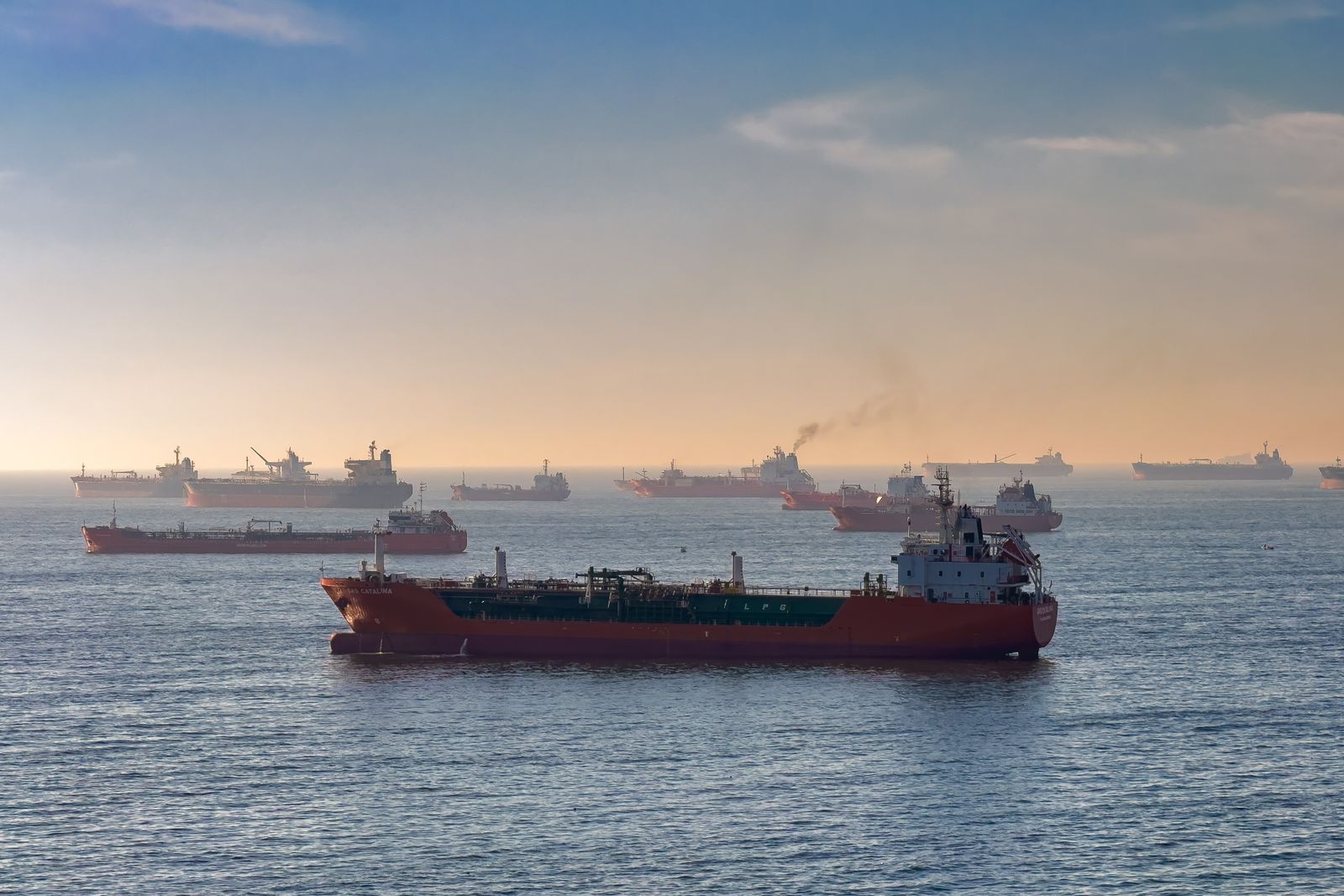
Finally, the same Wikipedia entry on the 2026 Hormuz crisis projects a critical humanitarian and logistical situation: nearly 20,000 sailors and 2,000 ships would be stranded in the Persian Gulf due to the strait's blockade. This underscores the magnitude of the anticipated global energy supply disruption, the largest since the 1970s energy crisis.
Why it matters
These facts show us that history, even that which is currently being written or projected, is full of unexpected twists and details that often go unnoticed. The way these events are documented, the start dates of conflicts, or the legal and economic implications, invite us to look beyond the headlines and understand the depth of what is happening in the world.
Sources
TopicsWarConflictGeopoliticsWikipediaNews