5 Market and Fair Curiosities from the Vallenato Capital
Markets and fairs are more than just places to buy and sell; they are reflections of a place's culture and history. We explore five surprising facts revealed by Valledupar, the vibrant Colombian city, birthplace of vallenato music and home to an iconic festival.
ByMerry Melina4 min read
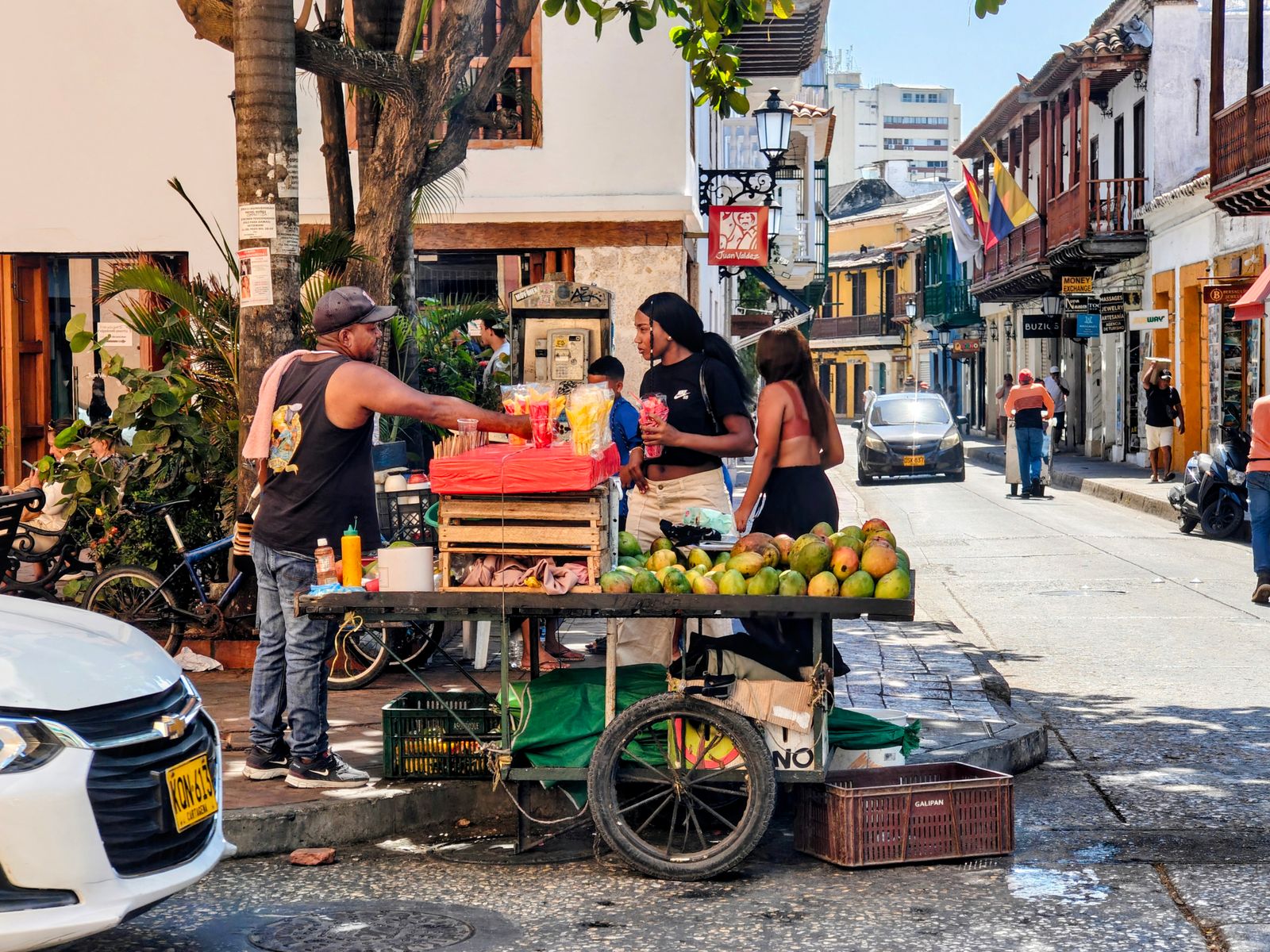
Markets and fairs are often the heart of many communities. They are spaces where culture, history, and economy meet in a unique and very human way. They show us how we live, what we value, and how we connect. Today, we're taking a stroll through Valledupar, Colombia, a city that is much more than just the vallenato capital of the world. Its stories reveal some fascinating curiosities about how a place can be the perfect setting for gatherings that go beyond a simple exchange of goods.
1. The city of the great vallenato festival was founded on Three Kings' Day
Imagine a city whose founding coincides with a date of celebration and gift-giving. Valledupar, the vibrant birthplace of vallenato music and home to its biggest festival, was founded on January 6, 1550. This particular date is Three Kings' Day, a holiday that, in many cultures, is linked to the tradition of giving and receiving, and has historically generated special markets and fairs.
The Capuchin friars, upon establishing the city, named it "Ciudad de los Santos Reyes del Valle de Upar" (City of the Holy Kings of the Upar Valley) precisely to honor this coincidence. This detail, documented in Wikipedia, gives Valledupar's history a festive and communal air from its very origin, a spirit that remains alive today in its famous festival, where thousands gather each year.
2. Its name preserves the memory of an indigenous chief
Behind the names of many cities are stories we sometimes forget. In Valledupar's case, its name is not just a geographical description ("Valley of the Cesar River"), but a tribute to an important pre-Columbian leader. "Upar" was the chief of the Chimila ethnic group who governed the region when Spanish conquerors arrived, as Wikipedia recounts.
This indigenous origin connects the city's identity to the deep cultural roots of the territory and the traditions of exchange that existed long before the colonial era. The indigenous peoples of the region had their own systems of trade and community gatherings, which often manifested in forms of markets or bartering. The city's name is a reminder of this rich heritage that, in some way, is still present in the vitality of its squares and gatherings, much like we discussed in this article about other fair curiosities.
3. It's an agricultural and livestock engine, the foundation of its local markets
Although Valledupar is famous for its music, its economic strength is a fundamental pillar supporting its cultural life and markets. The city is an "important center for agricultural, agro-industrial, and livestock production" in the region spanning the north of the Cesar department and the south of La Guajira, as noted in Wikipedia.
This productive activity forms the backbone of its local markets, where farmers and ranchers trade their fresh produce. It's a clear example of how land and hard work forge a vibrant economy, which in turn nurtures cultural events and fairs, offering an authentic experience of the region's flavors and knowledge.
4. The Vallenato Legend Festival is a massive cultural fair
To speak of Valledupar is to speak of vallenato, and its festival is the ultimate expression of this connection. Every year, the city transforms to host the Vallenato Legend Festival, described in Wikipedia as the "maximum event of vallenato," which "atrae a miles de visitantes de Colombia and from abroad."
This event goes beyond a simple music competition. It functions as a huge cultural fair, a vibrant market for local music, art, crafts, and gastronomy. It's a meeting point where identity is celebrated, ideas are exchanged, and the city's economy and tourism are significantly boosted, demonstrating the power of culture to create large markets of experiences.
5. Its mountainous geography influences its products and trade
Valledupar's geographical location is not just a simple fact; it's a key factor shaping its identity and markets. The city sits in the Cesar River valley, flanked by the imposing Sierra Nevada de Santa Marta to the west and the Serranía del Perijá to the east, and bathed by the Guatapurí River. This configuration, with varying altitudes and guardian hills like Murillo, is well described in Wikipedia.
This diversity of landscapes and climates creates unique conditions for agriculture and livestock farming. The products grown and animals raised are directly influenced by these characteristics, which in turn shapes the offerings of its markets. It's an example of how the natural environment plays a fundamental role in what is produced, sold, and consumed in a region, making each market a reflection of its land.
Why it matters
Valledupar's stories remind us that markets and fairs are much more than commercial transactions. They are living spaces that reflect a place's cultural heritage, economic strength, and geography. Knowing these details allows us to appreciate the richness behind every stall, every melody, and every tradition, inviting us to look with new eyes at the places where community life and exchange are celebrated.
Script for your video
Runs about 44 secMake short videos? This script sums up the story so you can read it off your teleprompter and record a Reel, a Short, or a TikTok.
Title for your video
Valledupar: 5 secrets from its markets that will surprise
How to use it
- 1Pick the length — 1 or 2 minutes — and tap “Copy script.”
- 2Paste it into the teleprompter app on your phone, or read it off the screen.
- 3Record vertically and post it to Reels, Shorts, or TikTok.
It's free to use, and you can monetize your video. We only ask that you say where you read it: the script already ends with “The full story is on losupe.com.”
Sources
TopicsMarketsFairsValleduparVallenatoColombiaCulture