California Demands More AI Transparency with Laws like SB 53 and the TDTA
California is taking the lead in regulating artificial intelligence, with a strong focus on transparency. Legislative initiatives like SB 53 and the TDTA aim to make AI systems clearer about how they function and use our data, according to a recent IAPP analysis.
ByAndreea Blidar3 min read
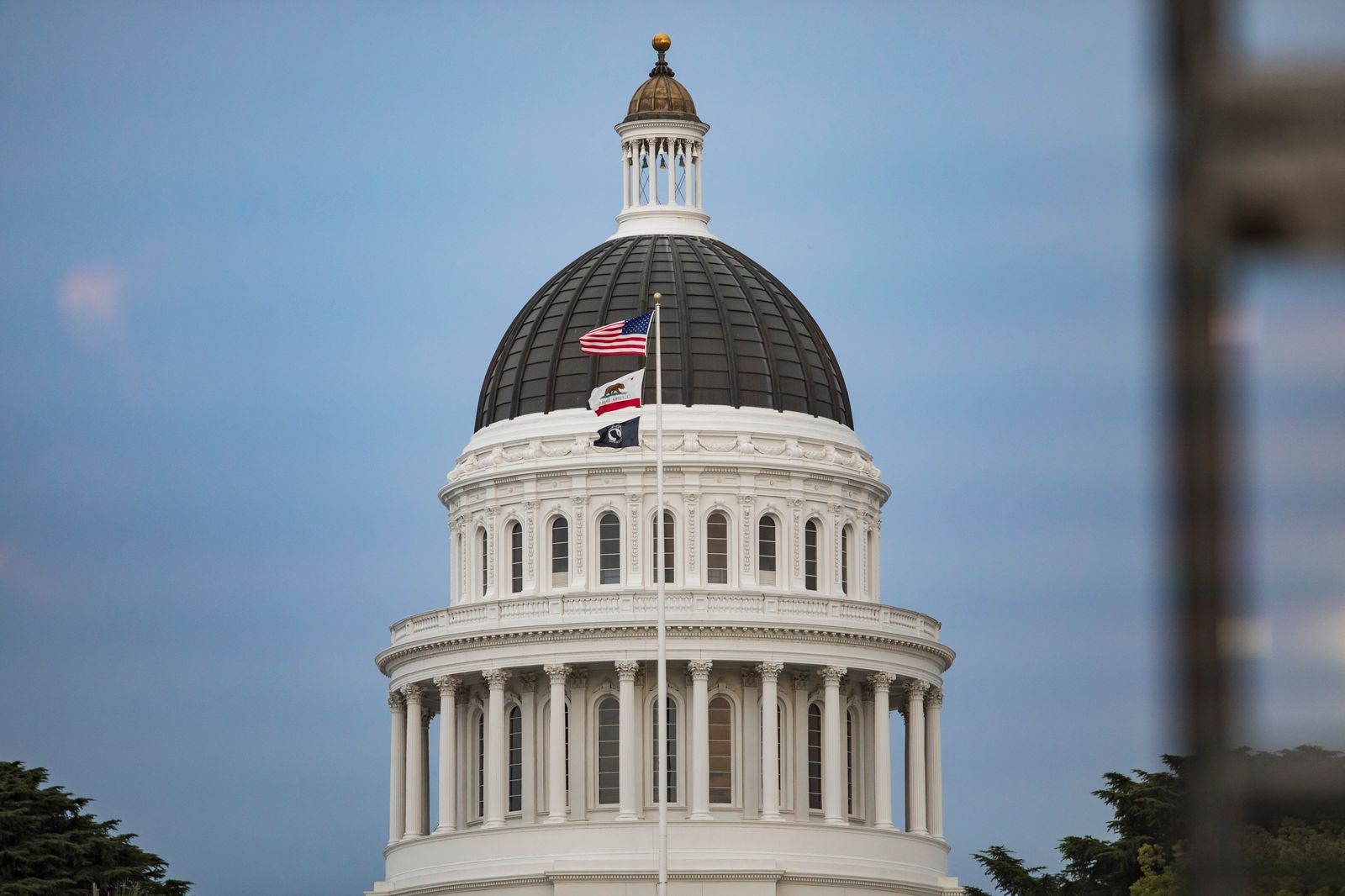
California is setting the pace in artificial intelligence regulation, with its primary focus on transparency. The state has launched significant legislative initiatives, such as Senate Bill 53 (SB 53) and the Transforming Data into Trust Act (TDTA), to ensure AI systems are more open about their operations. This is detailed in a comprehensive report by the International Association of Privacy Professionals (IAPP), which closely tracks these developments.
The idea behind these measures is simple yet profound: if AI is going to be such a large part of our lives, we need to understand how it makes decisions. This means knowing what data it uses, how it processes that data, and what kind of results it produces. For many, this is key to building trust in a technology that often still feels mysterious.
The Push for SB 53
Senate Bill 53 is one of the central pieces of this regulatory effort. While specific details about its provisions may vary, its general purpose, according to the IAPP analysis, is to establish clear requirements for the transparency of AI systems. This could include obligations for companies to disclose if an interaction is with an AI, how personal data is used, and how potential biases are mitigated.
AI transparency is a topic that has gained momentum as the technology becomes more sophisticated. We've already seen debates about the risks of AI, such as Alex Karp of Palantir suggesting nationalizing AI labs due to their potential dangers. SB 53 aims to address these concerns from a perspective of clarity and accountability.
The TDTA and Data Trust
Alongside SB 53, the Transforming Data into Trust Act (TDTA) is another tool California is using to regulate AI. Its name already hints at its objective: to make data usage more reliable and understandable for everyone. This act could focus on how companies manage and utilize the data that feeds AI algorithms, ensuring it is done in a way that respects privacy and individual rights.
The combination of SB 53 and TDTA shows that California is thinking about a comprehensive regulatory framework that not only focuses on AI itself but also on the data foundations upon which it is built. It's an effort to create an environment where AI innovation can thrive, but always with an eye on ethics and user protection.
What Does This Mean for Companies and Users?
For companies developing or implementing AI systems, these regulations mean they will need to adapt their operations. They will have to be more explicit about how their technologies work, which could involve changes in documentation, terms of service, and how they communicate with users. While this might seem like an added burden, it's also an opportunity to build a better relationship with their customers, based on trust.
For users, these laws promise more control and better understanding. Imagine knowing for sure if you're talking to a bot or a person, or understanding why an AI has recommended a certain product or service. This not only empowers individuals but also fosters a more responsible use of AI in society, aligning with conversations about how AI is expanding error detection and its capabilities.
Why it matters
California's actions with SB 53 and the TDTA are an example of how governments are beginning to address the challenges of artificial intelligence. By focusing on transparency, the state aims to protect consumers and foster AI development that is more ethical and understandable. Other states and countries are likely to take note of this approach, making California a model for future regulations of a rapidly changing technology.
Script for your video
Runs about 46 secMake short videos? This script sums up the story so you can read it off your teleprompter and record a Reel, a Short, or a TikTok.
Title for your video
California leads: Do you know how the AI you use works?
How to use it
- 1Pick the length — 1 or 2 minutes — and tap “Copy script.”
- 2Paste it into the teleprompter app on your phone, or read it off the screen.
- 3Record vertically and post it to Reels, Shorts, or TikTok.
It's free to use, and you can monetize your video. We only ask that you say where you read it: the script already ends with “The full story is on losupe.com.”
Sources
TopicsAIRegulationCaliforniaTransparencyTechnology