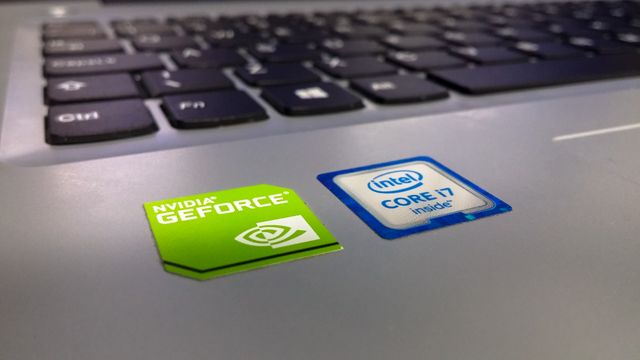
Nvidia Scandal Prompts Questions of What It Means to Be a Spy in the Tech Era
A recent incident involving Nvidia, a leader in AI chips, is making us rethink the definition of espionage. The line between corporate competition and national security is increasingly blurred, especially in the tech sector, where information is power.
ByAndreea Blidar3 min read
A recent scandal involving Nvidia, the chip giant powering artificial intelligence, and an individual named Alice Huang in the context of relations with China, is forcing a re-evaluation of what it means to be a spy today. This incident, as reported by The New York Times, highlights how the competition for advanced technology has transformed the world of espionage, shifting it from traditional state secrets to corporate boardrooms.
In a world where technological innovation and data accumulation are as valuable as any military secret, the role of the spy is also evolving. It's no longer just about covert agents with miniature cameras, but individuals who might have access to sensitive information within cutting-edge companies, or who manage key industry contacts. The situation surrounding Nvidia, a company at the forefront of semiconductor technology, makes it harder to understand where corporate loyalty ends and national interest, or even illicit activities, begin.
The New Face of Tech Espionage
For a long time, the idea of a spy conjured images of the Cold War, with intelligence agents operating in the shadows to obtain classified documents. However, the Nvidia and Alice Huang case, according to The New York Times, points to a very different reality. Today, the value lies in intellectual property, in chip designs, in artificial intelligence algorithms, and in market strategies that can give a country or a company a decisive advantage. Tech companies have become silent battlegrounds, where information is the most potent weapon.
This means that individuals with technical knowledge and access to privileged information can become recruitment targets or, unwittingly, get caught up in espionage networks. The globalization of the workforce in the tech industry, with talent from all over the world collaborating on sensitive projects, further complicates the situation. Companies must be more careful than ever about who they hire and how they protect their secrets.
Nvidia and the Value of Semiconductors
Nvidia is not just any company. It is a leading manufacturer of graphics processing units (GPUs) and chips that form the backbone of modern artificial intelligence. From data centers to autonomous cars, and scientific research, Nvidia's technology is fundamental. This makes the company a prime target for any actor seeking a technological or military advantage.
The global race for AI leadership is intense, especially between the United States and China. As we discussed in this article, the investment in artificial intelligence is enormous, and its implications are far-reaching. Control over semiconductor technology is not just an economic matter; it is a matter of national security and global power. An intellectual property theft or an information leak can have repercussions that extend far beyond financial losses for a single company.
Blurred Lines Between Competition and Treason
The scandal surrounding Nvidia forces us to question boundaries. Is an employee who shares information with a rival company for personal gain merely an industrial spy, or something more if that rival company is controlled by a foreign government? What happens when cultural or national loyalties intersect with corporate obligations?
For companies, the task of protecting themselves is a constant challenge. They must invest not only in cybersecurity but also in compliance programs and in raising employee awareness about security risks. For governments, the legal definition of espionage must adapt to these new realities, where borders are more digital than geographical and the most valuable assets are intangible. The Google trend of searches about "billionaires" also reflects the immense wealth and power concentrated in these tech sectors, making the stakes incredibly high for all parties involved.
Why it matters
This incident with Nvidia is more than just a corporate drama; it's a wake-up call about the evolving nature of global power dynamics. It urges us to reconsider how we define loyalty, national security, and even what constitutes a
Script for your video
Runs about 43 secMake short videos? This script sums up the story so you can read it off your teleprompter and record a Reel, a Short, or a TikTok.
Title for your video
Nvidia scandal redefines spying: AI chips at stake!
How to use it
- 1Pick the length — 1 or 2 minutes — and tap “Copy script.”
- 2Paste it into the teleprompter app on your phone, or read it off the screen.
- 3Record vertically and post it to Reels, Shorts, or TikTok.
It's free to use, and you can monetize your video. We only ask that you say where you read it: the script already ends with “The full story is on losupe.com.”
Sources
TopicsNvidiaespionagetechnologyartificial intelligencenational security