6 Mistakes Independent Musicians Make When Releasing Music
Many emerging artists make common mistakes that can hinder their success. From not taking control of their work to neglecting production, here's how to avoid them to protect your art.
ByMerry Melina10 min read
Releasing music as an independent artist is exciting, but it's also full of challenges. In a world where technology has democratized access to platforms, it's easy to make mistakes that can slow down your journey. It's not just about creating good music; it's about understanding how to navigate a complex industry that has historically presented barriers, especially for certain groups. We want to help you recognize some of the most common missteps so you can avoid them and focus on what truly matters: your art and your connection with your audience.
1. Failing to take control of your work
Many independent musicians, at the beginning of their careers, might be tempted to hand over too much control of their work to third parties, whether it's a record label, a manager, or a distributor. The idea that you need a large structure behind you to succeed is persistent. However, this is a mistake that can be costly. American singer-songwriter Ani DiFranco, for example, made a fundamental decision for her career: she founded her own record label, Righteous Babe. This choice allowed her an artistic freedom that few artists achieve in the traditional industry, as highlighted in Wikipedia.
This mistake is often made due to a lack of knowledge about self-publishing alternatives or the perception that the business side of music is too complicated. Artists might feel they lack the tools or experience to manage their own careers. But what happens when you give up that control? Your creative vision can become diluted, and important decisions about your music (from production to album artwork or release strategy) can end up in the hands of people who don't share your vision or priorities. This can lead to frustration and a final product that doesn't fully represent your identity as an artist.
To avoid this, thoroughly research independent digital distribution options and platforms that allow you to maintain ownership of your masters. Learn about copyrights and licensing. You don't need to found your own label immediately, but understanding how the business works will empower you to make informed decisions and protect your work. Think of Ani DiFranco's path as an inspiration to seek autonomy and artistic freedom at every step.
2. Underestimating the importance of production and sound engineering
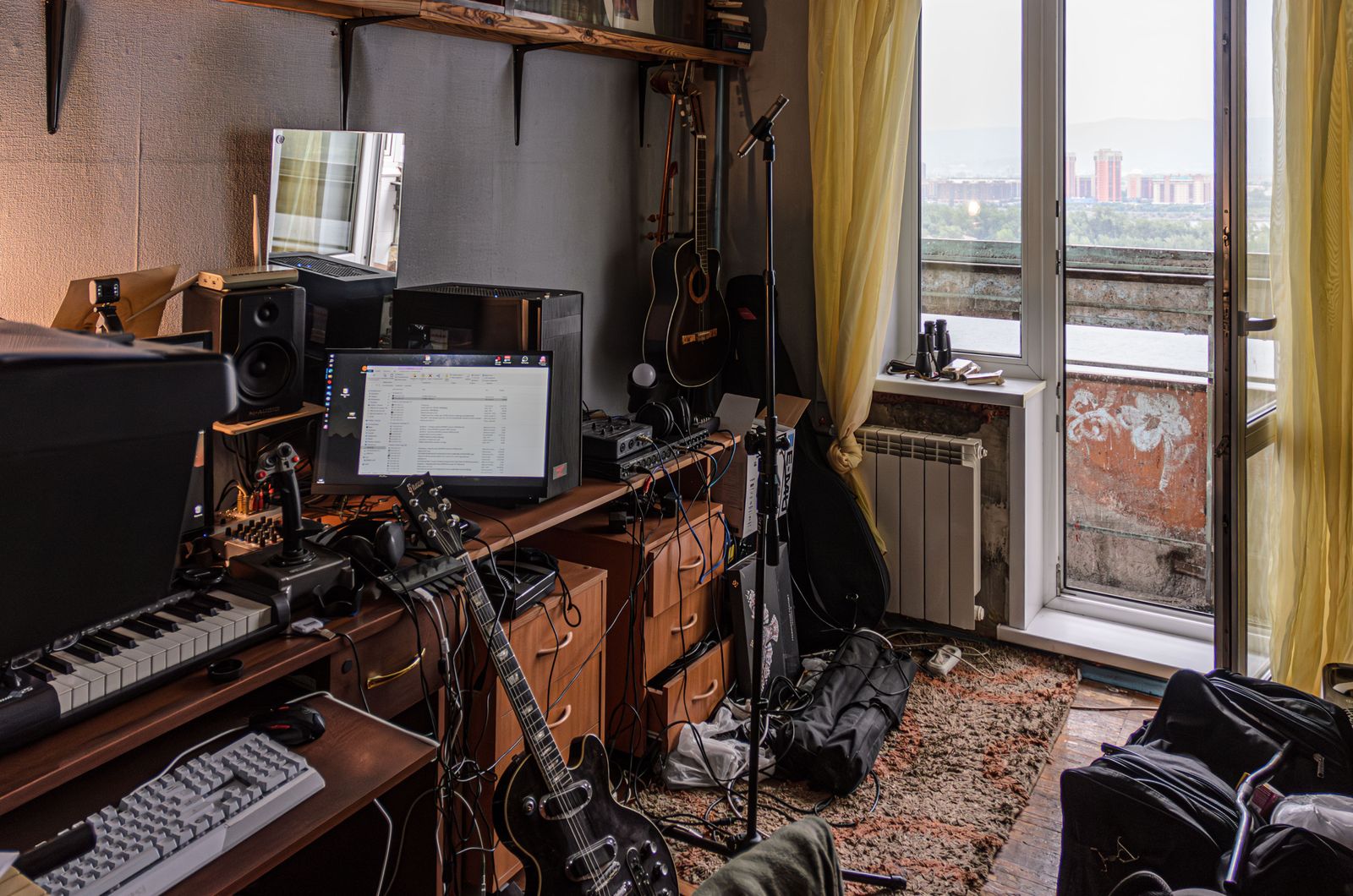
The quality of your music lies not only in its composition and performance but also in how it sounds. A common mistake is underestimating the crucial role of music production and sound engineering. It's easy to think that a great song will sell itself, but a poor mix or deficient mastering can make your music fail to stand out, even if the talent is undeniable. Wikipedia notes that, in popular music, there are many women singers, but very few behind the audio console, acting as producers or managing the recording process. This observation, while focused on gender, highlights the importance of these technical roles, often invisible or not valued enough by artists in general.
This oversight can stem from the belief that studio technology is too expensive or complex, or from a lack of experience in these fields. Musicians might focus exclusively on the act of creating and performing, leaving the technical side as a "last mile" without the attention it deserves.
The consequences of poor production and mixing are direct: your music can sound unprofessional, lose impact, or simply fail to compete with the quality of other releases on streaming platforms. This can deter new listeners and make it difficult for your work to be taken seriously by the industry.
The solution isn't to become a sound engineer overnight, but to invest time and resources in quality production. Seek out experienced producers and engineers who understand your vision. Consider this investment as important as the creation of the song itself. Educate yourself on the fundamentals of production so you can communicate effectively with professionals and ensure the final result does justice to your art.
3. Neglecting your public image management
In the digital age, your music isn't the only thing your listeners, the press, or industry professionals will see. Your public image, from your promotional photos to your social media presence, is an integral part of your artist brand. A common mistake is to neglect this aspect, thinking that pure musical talent is enough. However, the music industry, especially for women, has shown that appearance often plays a significant role. Jessica Duchen, a music writer for London's The Independent, explains that classical musicians are "frequently judged by their appearance over their talent" and face pressure "to look sexy on stage and in photos," although she also mentions that, at times, it's a personal choice (according to Wikipedia).
This mistake is made because many artists prefer their music to speak for itself or feel uncomfortable with the idea of self-promotion and brand building. They might think it's superficial or that it detracts from what's truly important.
When you neglect your image, you risk projecting an inconsistent or unprofessional look. This can confuse your audience, make it difficult for media to cover you (as they won't have attractive visual material), and make your proposal seem less serious or developed. In a sea of content, a well-managed image helps you stand out and communicate who you are as an artist.
To avoid this, dedicate time to developing a coherent visual identity. This includes high-quality press photos, social media graphics, and an overall aesthetic that reflects your music and personality. It's not about succumbing to superficial pressures, but about controlling the visual narrative that accompanies your sound. Think of your image as an extension of your art, another way to connect with your audience and present yourself intentionally.
4. Ignoring the biases and challenges of the music industry
The music industry, like many others, has its complexities and historical biases. A mistake some independent musicians make is ignoring or underestimating the existence of these dynamics, believing that artistic merit alone will lead to success. However, artists of the stature of Björk, Lady Gaga, and Madonna have openly spoken about the sexism and discrimination they have faced in the industry, as mentioned in Wikipedia. Furthermore, the industry has presented a "glass ceiling" for women in positions of authority, such as orchestra conducting or music production, according to Edwina Wolstencroft of BBC Radio 3.
This mistake is often made due to an idealized view of the industry or by focusing solely on one's own trajectory, without considering the broader landscape. Artists might not want to be distracted by "politics" or simply not be aware of how these biases can affect their own careers or the opportunities of others.
Ignoring these challenges can have several consequences. First, you might encounter unexpected obstacles and be unprepared to navigate them. Second, you might miss the opportunity to be part of the solution or to support other artists facing these barriers. Finally, a lack of awareness can lead to decisions that, unintentionally, perpetuate these biases.
To avoid this mistake, stay informed about conversations and studies analyzing diversity and equity in music. Support initiatives that promote inclusion and seek mentors or collaborators who have a clear understanding of these challenges. Being aware of biases not only prepares you for what you might encounter but also allows you to contribute to a fairer and more equitable industry for all.
5. Limiting your collaboration networks
On an independent musician's journey, collaborations are key. However, a mistake that can limit your growth is restricting your network of contacts and collaborators to a very homogeneous circle. The music industry is enriched by the diversity of talents and perspectives. Wikipedia highlights that, while there are many women singers, their representation is lower in roles such as instrumentalists in popular genres like rock and heavy metal. Similarly, there is a notable absence of women in music criticism. These observations suggest that, in certain areas, networks might be less diversified than they could be.
This mistake is made out of comfort, by working with those you already know, or by not actively seeking outside your usual circles. Sometimes, unconscious biases can lead to not considering talents from different backgrounds or genders.
When you limit your networks, you miss the opportunity to enrich your music with new ideas, styles, and approaches. Diverse collaborations can open you up to new audiences, expand your creative horizons, and offer perspectives you might not have otherwise considered. It can also mean your music doesn't reach audiences who might appreciate it.
To avoid this, actively seek collaborators from different musical genres, cultural backgrounds, and roles within the industry. Attend industry events, use networking platforms, and be open to working with people who bring something different to your project. A diverse network not only strengthens your music but also connects you with a broader community and prepares you for a more inclusive future in music.
6. Not thoroughly researching the publishing landscape
The act of publishing music goes beyond uploading a song to a platform. A common mistake is not thoroughly researching the legal, historical, and distribution landscape surrounding music publishing. This includes understanding how the industry has developed and the barriers that have existed. For example, in the 19th and early 20th centuries, women were discouraged from composing, and many were forced to use pseudonyms or initials to hide their gender and publish their music, such as Carrie Northly (Caro Roma) or Charlotte Blake, who were initially presented with ambiguous names (according to Wikipedia).
This mistake is made due to the complexity of the information, a lack of time for research, or the belief that "someone else" will handle these details. Artists might focus on creation and performance, neglecting the more administrative and strategic aspects of publishing.
Not understanding the publishing landscape can lead to ill-informed decisions about contracts, distribution, copyrights, and monetization. You might miss out on income opportunities, unnecessarily give up rights, or simply not know how to protect your work in the long term. A lack of knowledge also leaves you vulnerable to unethical or outdated industry practices.
To avoid this, dedicate time to educating yourself on different music business models, record deals, copyrights, and royalties. Talk to other artists, seek legal advice if necessary, and stay updated with industry changes. Understanding the historical context, such as the struggles of female composers using pseudonyms, gives you valuable perspective on the importance of protecting your identity and your work in a world that continues to evolve. Information is power, and in the world of independent music, it is your best ally.
Why it matters
Avoiding these mistakes will not only help you protect your art but also allow you to build a stronger, more authentic musical career. In a constantly changing industry, being informed, taking control, and being aware of the dynamics that shape it are essential steps. Your music deserves to be heard, and your vision, respected. By learning from collective experience and the stories of those who came before you, you can navigate with more confidence and leave your own mark on the world.
Script for your video
Runs about 46 secMake short videos? This script sums up the story so you can read it off your teleprompter and record a Reel, a Short, or a TikTok.
Title for your video
Avoid these 5 errors: Boost your independent music!
How to use it
- 1Pick the length — 1 or 2 minutes — and tap “Copy script.”
- 2Paste it into the teleprompter app on your phone, or read it off the screen.
- 3Record vertically and post it to Reels, Shorts, or TikTok.
It's free to use, and you can monetize your video. We only ask that you say where you read it: the script already ends with “The full story is on losupe.com.”
Sources
Topicsindependent musicmusic releasemistakesemerging artistsmusic productionmusic marketing