7 Curiosities of Jimmy Yancey: The Blues Pianist Who Was a Security Guard
Jimmy Yancey, a master of blues and boogie-woogie, left an indelible mark on music. More than 70 years after his passing, we explore surprising aspects of his life, from his beginnings as a child dancer to his unexpected career as a security guard.
ByMerry Melina6 min read
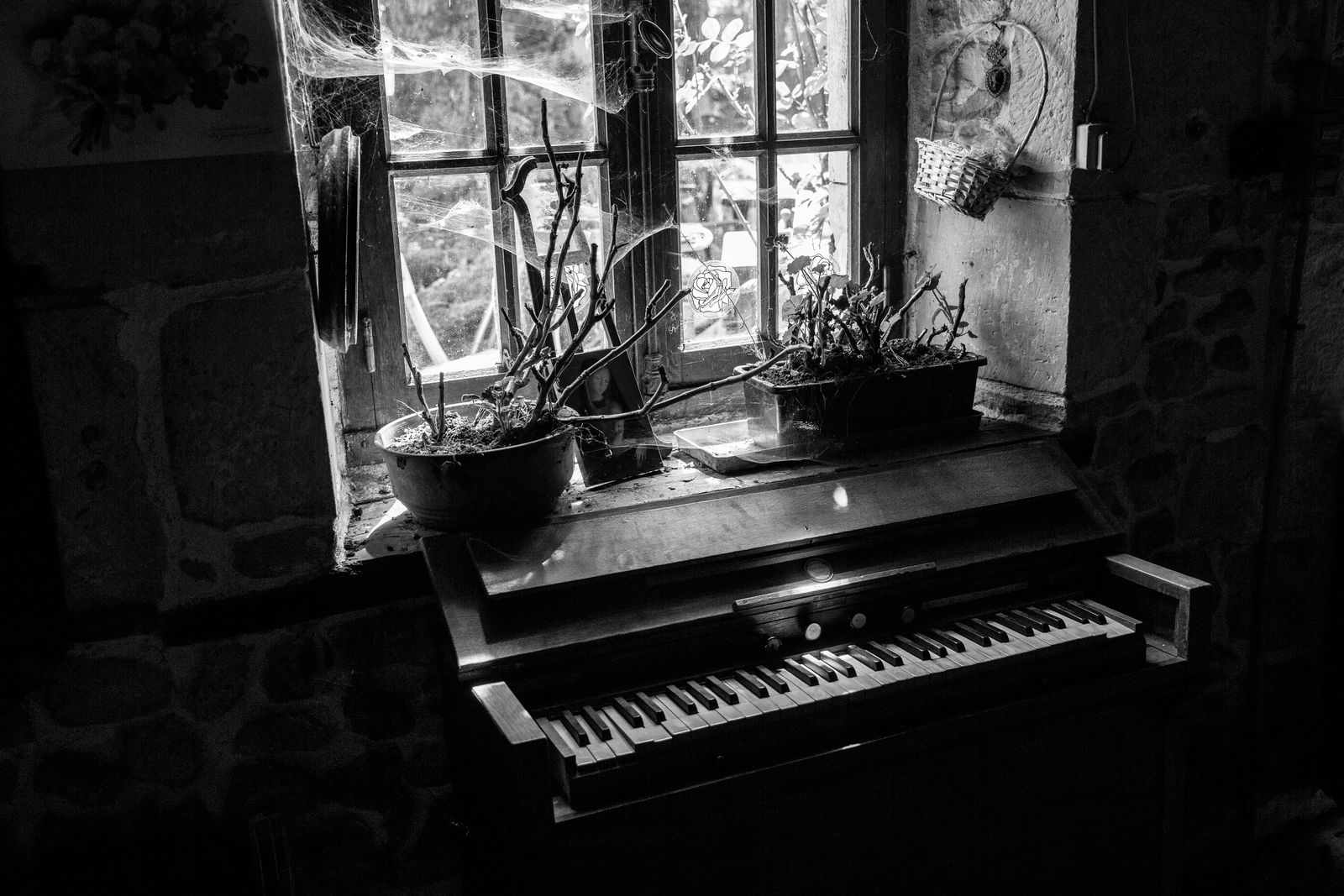
Jimmy Yancey was a foundational name in the history of blues and boogie-woogie. His unique piano style influenced generations of musicians, even decades after his death in 1951. But beyond his musical talent, Yancey's life was full of unexpected turns and details that make him a fascinating figure.
73 years after his passing, we invite you to discover some curiosities about this Chicago-born pianist, whose music continues to resonate and show the way for many. Get ready to learn surprising facets of his career, extending far beyond the stage and recording studios.
1. The Baseball Park Security Guard
Imagine one of the most influential pianists of his era, recognized in musical circles, working as a security guard. That was Jimmy Yancey's reality for several years. After returning to Chicago in 1915, and despite having gained renown playing at the city's famous "house-parties," Yancey decided to step away from professional music.
Instead of continuing with the piano, he worked as a watchman at Comiskey Park in Chicago, the former home of the Chicago White Sox. This duality between his musical passion and his "everyday" job reveals a very human and grounded side of an artist who, despite his talent, remained down-to-earth. This information can be found in his Wikipedia biography, which details his surprising change of direction.
2. Touring Europe... at Six Years Old
Before the piano became his main instrument and before his job as a watchman, Jimmy Yancey was already an artist with international experience. From the age of six, his father, a vaudeville musician, took him along on his tours. These weren't just across the United States, but also through Europe, where he performed as a singer and tap dancer.
It's incredible to think of such a young child traveling and performing on such diverse stages. This early experience, which you can read about on Wikipedia, undoubtedly shaped his character and gave him a solid foundation in show business, long before he formally sat at a keyboard. It shows that art ran in his veins from a very young age.
3. A Virtuoso Who Learned Piano "His Own Way"
Although Jimmy Yancey is known for his piano mastery, he didn't start as a child prodigy on the instrument. It was in 1915, upon returning to Chicago, that he received the "rudiments of piano technique" from his brother Alonzo, a ragtime pianist. This is notable because, by then, he was over 15 years old and already had a career as a singer and dancer.
His personal style, which combined blues with boogie-woogie in a very distinctive way, was forged more in the informal practice of house parties than in academies. This detail, also noted in Wikipedia, suggests that his musical genius flourished through experimentation and family influence, rather than rigid formal education. It's a reminder that talent can find many paths.
4. The Late Arrival to Recording Studios
Despite his recognition in the Chicago music scene, Jimmy Yancey didn't record his first album until 1939. He was "rediscovered" in 1938 by William Russell, and the following year, Dan Qualey, owner of the newly founded Solo Art label, gave him the opportunity to enter the studio. In that first session, he recorded tracks like "The Fives," which would become a classic.
For a musician born in 1898, starting a recording career at 41 is quite late. This means that much of his work and musical evolution at "house-parties" was never documented. It's a fact that makes us wonder how much music was lost from that golden era of the blues. The story of his rediscovery and his first recordings is detailed on Wikipedia.
5. Music at Home: With Estelle "Mama" Yancey
Jimmy Yancey's musical life was not limited to his solo performances. He shared the stage and recording studios with his wife, Estelle "Mama" Yancey, who was also a talented blues vocalist. This musical collaboration was an important part of his career and personal life.
The couple not only recorded together but also performed live, bringing their music to audiences who appreciated the authenticity of their offering. Their bond, both personal and artistic, is a beautiful example of how music can unite people. You can find this information about their collaboration in Wikipedia.
6. From "House-Parties" to Carnegie Hall
Chicago's "house-parties," informal gatherings where musicians played for friends and neighbors, were the breeding ground for Jimmy Yancey's style and where he first gained renown. These events, full of energy and spontaneity, were the perfect setting for his blues and boogie-woogie.
But his career took him much further. In 1948, alongside his wife Estelle, Jimmy Yancey performed at the prestigious Carnegie Hall in New York. Moving from private house parties to one of the world's most iconic stages is a testament to the power of his music and the recognition he eventually received. This milestone is mentioned on Wikipedia.
7. A Legacy That Transcended Genres
Jimmy Yancey's influence on music extends beyond blues and boogie-woogie. His distinctive style, with a rolling, repetitive bass in the left hand and improvised melodies in the right, laid the groundwork for rock and roll. In fact, his impact was so significant that in 1986, he was inducted into the Rock and Roll Hall of Fame.
It's fascinating to see how a early 20th-century pianist, who played at house parties and worked as a guard, left such a profound mark that his legacy was recognized by a musical genre that would explode decades after his death. His induction into the Rock and Roll Hall of Fame, as noted by Wikipedia, is clear proof of the timelessness and reach of his musical genius. It's a story that reminds us that great musical ideas have no expiration date, as we've discussed in other notes about enduring legacies.
Why it matters
Jimmy Yancey's story is a reminder that talent does not always follow a straight path to success. His ability to create profound and moving music while leading a "normal" life as a security guard gives him a very special human dimension. His musical legacy, which continues to be studied and admired, teaches us about authenticity and persistence in art. Yancey is an icon who forged his own path, leaving an indelible mark on American music.
Script for your video
Runs about 44 secMake short videos? This script sums up the story so you can read it off your teleprompter and record a Reel, a Short, or a TikTok.
Title for your video
Jimmy Yancey: The Blues Pianist Who Was a Security Guard
How to use it
- 1Pick the length — 1 or 2 minutes — and tap “Copy script.”
- 2Paste it into the teleprompter app on your phone, or read it off the screen.
- 3Record vertically and post it to Reels, Shorts, or TikTok.
It's free to use, and you can monetize your video. We only ask that you say where you read it: the script already ends with “The full story is on losupe.com.”
Sources
TopicsJimmy YanceyBluesBoogie-WoogieMusicCuriositiesChicago