9 Curiosities About Javier Marías on His 75th Birthday
Javier Marías, one of Spain's most important writers, would have turned 75 this September 20th. We explore lesser-known aspects of his life and career, from his childhood in the US to his peculiar literary 'kingdom'.
ByMerry Melina7 min read
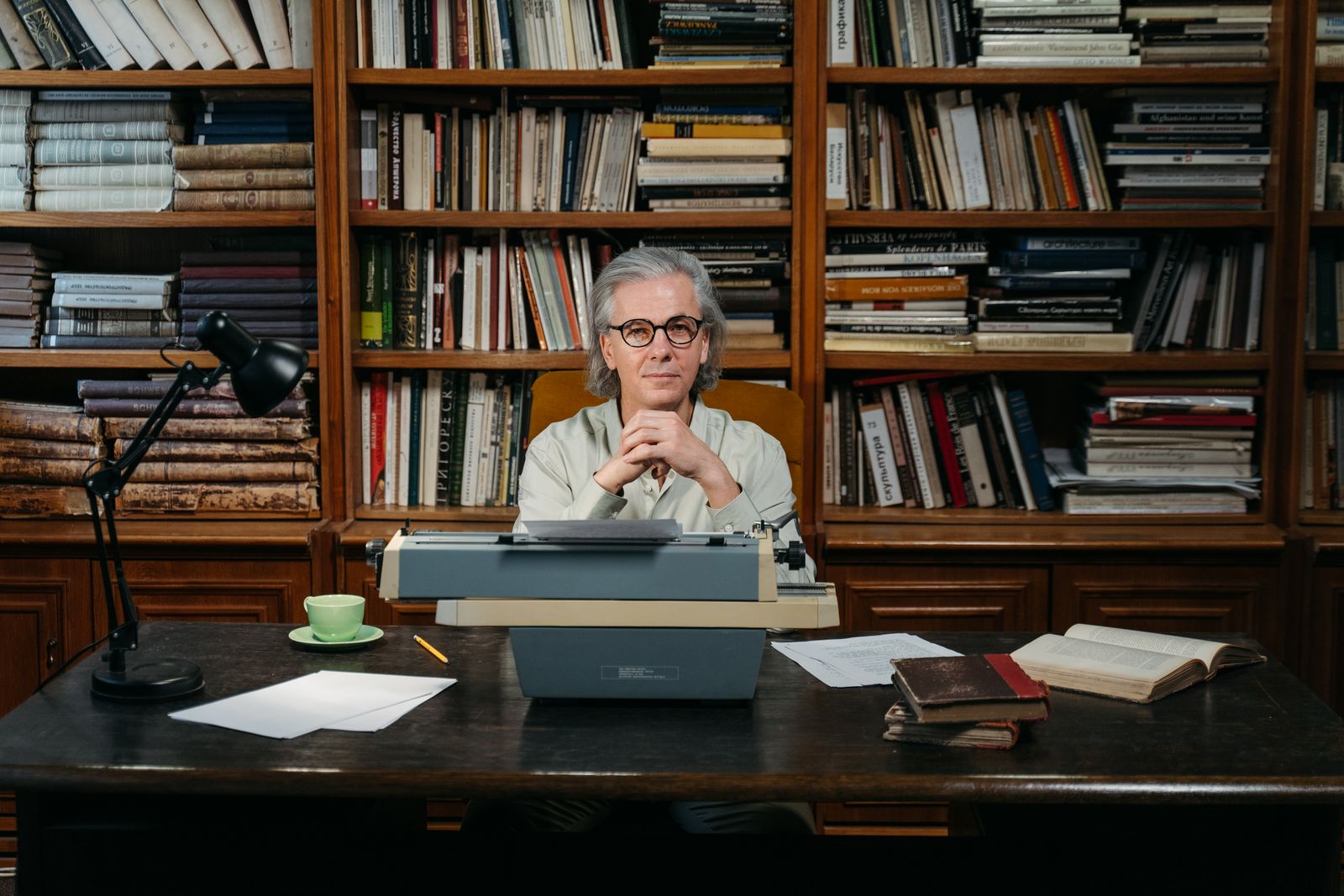
Javier Marías, one of the most significant Spanish writers of recent decades, would have turned 75 this September 20th. His work, translated into over 40 languages, left a profound mark on world literature with novels like A Heart So White and Your Face Tomorrow. At losupe.com, we want to remember him by exploring some lesser-known aspects of his life and career, showcasing the richness of his personality and legacy.
Childhood in the United States Due to His Father's Exile
Javier Marías spent part of his childhood in the United States, an experience that shaped his life and his relationship with the English language. His father, the renowned philosopher Julián Marías, was imprisoned and persecuted by the Franco regime for his republican views. After his release, he was banned from teaching in Spanish universities, which led him to seek opportunities in North America starting in 1951, as explained by Wikipedia.
This family circumstance not only exposed him to a different culture from a young age but also solidified his command of English, a tool that would later be fundamental in his career as a translator and in his own work, often sprinkled with Anglo-Saxon references. It's a reminder of how family histories, even challenging ones, can shape an artist's path.
His Early Foray into B-Movies with His Uncle Jess Franco
Before becoming one of the great novelists, Javier Marías had a surprising venture into the world of cinema, specifically in the B-movie genre. He was the nephew of the prolific filmmaker Jesús Franco (known as “Jess Franco”) and cousin of director Ricardo Franco. During his youth, Marías collaborated with them, translating or writing screenplays, and even appeared as an extra in some of their films, as detailed in the free encyclopedia.
This lesser-known facet reveals early versatility and a curiosity for different forms of storytelling. Imagining the future author of introspective and complex works participating in his uncle's cult cinema adds a fascinating layer to his biography, much like other artistic figures with unexpected beginnings, as we shared in this article about James Lipton.
The Precocious Writer and His Friendship with Juan Benet
Javier Marías was an astonishingly precocious writer. In 1970, at just 19 years old, he wrote his first novel, Los dominios del lobo (The Dominions of the Wolf), which would be published the following year. It was during the writing and publication process of this work that he met Juan Benet, a key figure who would become a great friend and an essential reference in both his personal and literary life, according to his biography.
This friendship with Benet, one of the most influential authors of his generation, was crucial for Marías. It offered an environment of intellectual stimulation and camaraderie that undoubtedly helped forge his unique voice and consolidate his literary vocation from a very early age.
An Award-Winning Translator Before Becoming a Novelist
Although we primarily know him for his novels, Javier Marías was also an exceptional and recognized translator. In 1979, he received the prestigious Fray Luis de León Translation Prize for his Spanish version of Laurence Sterne's novel The Life and Opinions of Tristram Shandy, Gentleman. This award came before his consecration as a novelist with works like A Heart So White.
His work as a translator not only demonstrated his deep knowledge of the English language and his ability to recreate literary voices but also influenced his own writing. In fact, Marías often said that the protagonists of his novels since 1986 were often interpreters or translators, people who, in his words, “have renounced their own voices.”
His Time as a Professor at Oxford University
Between 1983 and 1985, Javier Marías taught Spanish literature and translation theory at the prestigious Oxford University in the United Kingdom. He also taught at Wellesley College in the United States in 1984 and, later, at the Complutense University of Madrid. This academic experience at Oxford would directly inspire one of his novels.
It was his novel Todas las almas (All Souls) that narrated the story of a Spanish professor in Oxford, leading many to identify the narrator with Marías himself. This blend of personal experience and fiction is a constant in his work and an example of how real life filters into a writer's imagination.
The Peculiar "King" of the Kingdom of Redonda
Perhaps one of the most unique curiosities about Javier Marías is his role as the sovereign of the “legendary, real and fictitious” Kingdom of Redonda. After the abdication of Jon Wynne-Tyson, Marías accepted the title of Xavier I. This act, which he himself described with a playful tone, had a serious purpose: to defend the literary legacy of the kingdom.
Marías formed a court with notable figures from international culture and established an annual prize, in addition to creating the Kingdom of Redonda publishing house in 2000. This initiative, despite his declared republicanism, showcases his deep commitment to literature and his very particular way of honoring it, transcending the boundaries of convention.
Rejection of the National Narrative Prize
In 2012, Javier Marías was awarded the Spanish National Narrative Prize, one of Spain's most important literary recognitions, granted by the Ministry of Culture. However, Marías rejected the award. He explained that he was being consistent with his stance of not accepting institutional awards or remuneration from public funds, a position he had maintained publicly for years, as El País reported.
This gesture generated considerable debate and highlighted Marías's integrity and independence as an artist. His decision, though surprising to some, was a clear statement of his principles, demonstrating that his art transcended any official recognition.
The First Time He Used a Female Narrator in a Novel
In 2011, Javier Marías published Los enamoramientos (The Infatuations), a novel that marked a milestone in his output: it was the first time he used a female narrator to tell the story. The protagonist, María, who works in a publishing house, guides us through a detective plot that also explores deep philosophical and ethical problems.
This shift in narrative perspective was notable, as Marías had only previously used a female voice in a short story. Critics and the public alike warmly received this work, which was chosen as the book of the year 2011 by El País's cultural supplement Babelia, and by October 2011, it had already been translated into 18 languages and sold over 100,000 copies in Spain, according to available information.
Global Recognition: "One of the Most Important Living Authors"
Javier Marías's consecration as a writer came with novels such as Corazón tan blanco (A Heart So White, 1992) and Mañana en la batalla piensa en mí (Tomorrow in the Battle Think on Me, 1994). Both works were translated into dozens of languages and garnered important international awards, such as the Rómulo Gallegos (the first awarded to a Spaniard) and the Fastenrath from the Royal Spanish Academy.
German critic Marcel Reich-Ranicki even called Marías “one of the most important living authors in the world,” a testament to the global impact of his literature. His works explored universal themes such as secrecy, memory, violence, and the difficulty of knowing, resonating with readers and critics worldwide.
Why it matters
Javier Marías, 75 years after his birth, remains an essential figure for understanding contemporary literature in Spanish and beyond. His novels invite us to reflect on truth and fiction, the weight of the past, and the complexities of human relationships. With each curiosity, we uncover the multiple layers of an author who, with his unmistakable style and profound intelligence, left us a legacy that perdura and continues to engage with new generations of readers.
Script for your video
Runs about 44 secMake short videos? This script sums up the story so you can read it off your teleprompter and record a Reel, a Short, or a TikTok.
Title for your video
Javier Marías: 9 facts you didn't know about the writer.
How to use it
- 1Pick the length — 1 or 2 minutes — and tap “Copy script.”
- 2Paste it into the teleprompter app on your phone, or read it off the screen.
- 3Record vertically and post it to Reels, Shorts, or TikTok.
It's free to use, and you can monetize your video. We only ask that you say where you read it: the script already ends with “The full story is on losupe.com.”
Sources
TopicsJavier MaríasLiteratureWritersCuriositiesSpain