Jan Morris: The journalist who scooped Everest and 7 fascinating facts about her extraordinary life
One hundred years after her birth, we remember Jan Morris, the remarkable Welsh writer and journalist. She was the only reporter on the 1953 Mount Everest expedition and the first to announce its successful ascent, in addition to being a pioneering figure in gender transition.
ByMerry Melina7 min read
This year marks the centenary of the birth of Jan Morris, a figure who defied many labels and left an indelible mark on journalism, literature, and history. Born James Humphry Morris in Clevedon, England, in 1926, she deeply identified with Wales, her father's homeland, and became one of the most prolific and admired writers of her time. Her life was a constant adventure, both external and internal, marked by epic journeys, historic reports, and a profound exploration of her own identity.
From her earliest reports to her acclaimed literary works, Jan Morris always sought to understand and narrate the world with a unique voice and insatiable curiosity. Below, we share seven aspects of her life that will help you get to know this extraordinary woman better.
1. The Everest world exclusive arrived in a coded message
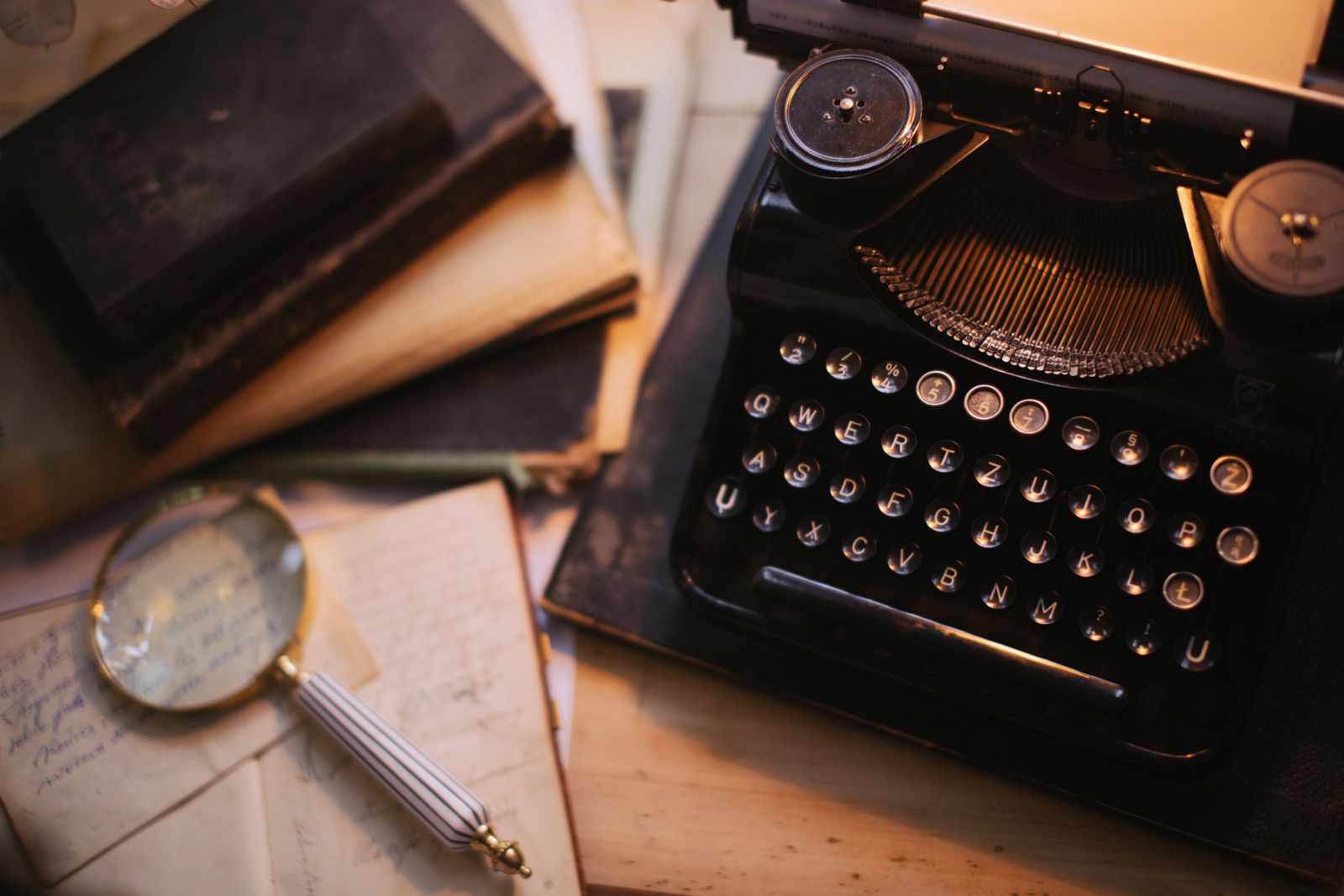
In 1953, Jan Morris, then James Morris, was the sole journalist accompanying the historic British expedition to Mount Everest. Her mission was to report for The Times on the first successful attempt to climb the world's highest mountain. When Edmund Hillary and Tenzing Norgay achieved the feat, Morris sent an encrypted message from a camp at 22,000 feet to ensure her newspaper got the exclusive. The message read: "Bad snow conditions, advanced base abandoned yesterday, awaiting improvement," according to Wikipedia.
This ingenious code was deciphered in time for The Times to publish the news on June 2, 1953, coinciding with Queen Elizabeth II's coronation. It was a major journalistic coup that captured the world's imagination and made Morris a renowned reporter. Imagine the excitement of receiving such news at such a significant moment for the United Kingdom.
2. A pioneer in gender transition and author of a revealing book
Jan Morris began her gender transition in 1964, at a time when the subject was almost taboo. In 1972, she traveled to Morocco for gender reassignment surgery with surgeon Georges Burou. This decision was made because British doctors required her to divorce her wife, Elizabeth Tuckniss, something Morris was unwilling to do at the time, as detailed in her biography.
Her personal experience became the basis for her acclaimed book Conundrum (1974), one of the first autobiographies to address gender reassignment from an intimate and personal perspective. The book was a bestseller and was compared to the memoirs of Christine Jorgensen, another transgender pioneer. This work not only narrated her own story but also paved the way for understanding and dialogue about gender identity.
3. Served as an intelligence officer in World War II
Before her journalism career, Jan Morris had a notable military experience. Although she initially wanted to join the Royal Navy, her color blindness prevented her. Instead, she enlisted in a cavalry regiment, the 9th Queen's Royal Lancers, during the final stages of World War II. She was posted to the Free Territory of Trieste in 1945, where she served as an intelligence officer, according to Wikipedia.
This wartime experience gave her a unique perspective on conflicts and cultures, which undoubtedly influenced her later work as a correspondent and travel writer. Her military service shows a facet of her life full of adventure and commitment long before she made a name for herself in the literary world.
4. A Welshwoman at heart, born in England
Despite being born and raised in Somerset, England, Jan Morris always identified deeply as Welsh. Her father, Walter Henry Morris, was an engineer from Monmouth, Wales, and this cultural heritage was a fundamental part of her identity. She lived in the village of Llanystumdwy, North Wales, for over 50 years with her family until her death in 2020, as mentioned in her profile.
This connection to Wales was not just a feeling; it was reflected in her life and work. She was elected to the Gorsedd Cymru in 1992 and received the Glyndŵr Award for Outstanding Contribution to the Arts in Wales in 1996. Her loyalty to Wales even led her to accept the Order of the British Empire "out of courtesy," despite being a Welsh nationalist republican, a fascinating detail that shows her character.
5. Her unique and enduring marriage to Elizabeth Tuckniss
In 1949, Jan Morris married Elizabeth Tuckniss, the daughter of a Ceylon tea planter. They had five children, including the poet and musician Twm Morys. Despite her gender transition and the legal divorce required by British law for her surgery in 1972, the couple never separated. They continued to live together, and in May 2008, they legally formalized a civil union, a testament to their mutual love and commitment, as detailed in her biography.
The story of Jan and Elizabeth is a touching example of a relationship that transcended the social and legal conventions of their time. They remained together for over 70 years until Jan's death in 2020, and Elizabeth passed away in 2024 at the age of 99. A shared life story that inspires.
6. Uncovered secret collusion in the Suez Crisis
Jan Morris's journalistic career was not limited to Everest. In 1956, while working for The Manchester Guardian, she reported from Cyprus on the Suez Crisis. It was she who provided the first "irrefutable proof" of collusion between Israel and France in the invasion of Egyptian territory. Morris managed to get confirmation from French Air Force pilots in an interview, who revealed that they had supported the actions of Israeli forces, according to Wikipedia.
This report was a milestone in investigative journalism of the era, revealing an uncomfortable truth that many governments tried to hide. It demonstrated her sharp insight and courage as a reporter, willing to go beyond official versions to find the truth, a trait that defined her throughout her career. You can see how her work compares to other artists who also left their mark on history, such as Andrés Caicedo, whose 75th birth anniversary we celebrate.
7. She disliked being called a "travel writer"
Despite being widely recognized for her books on cities like Venice, Trieste, Hong Kong, and New York, and being one of the most celebrated travel writers of her generation, Jan Morris was not comfortable with that label. In a BBC interview with Michael Palin in 2016, she explained that her books were not about "movimientos and journeys" but about "places and people," as noted in her profile.
This distinction is key to understanding her approach. For Morris, travel was a means, not the end. Her true interest lay in the essence of places, in the stories told by their streets and inhabitants. Her works are less tourist guides and more profound portraits that invite reflection on culture, history, and the human condition.
Why it matters
Jan Morris was much more than a journalist who delivered a historic scoop or an acclaimed travel writer. She was a figure who, through her life and work, invited us to look beyond borders, both geographical and personal. Her courage to live her truth, her insatiable curiosity, and her ability to capture the essence of places and people make her a lasting inspiration. Her legacy continues to resonate, reminding us of the importance of authenticity and constant exploration.
Script for your video
Runs about 40 secMake short videos? This script sums up the story so you can read it off your teleprompter and record a Reel, a Short, or a TikTok.
Title for your video
Jan Morris: Trans journalist who broke Everest news
How to use it
- 1Pick the length — 1 or 2 minutes — and tap “Copy script.”
- 2Paste it into the teleprompter app on your phone, or read it off the screen.
- 3Record vertically and post it to Reels, Shorts, or TikTok.
It's free to use, and you can monetize your video. We only ask that you say where you read it: the script already ends with “The full story is on losupe.com.”
Sources
TopicsJan MorrisEverestJournalismTransgenderLiteratureHistoryWales