Miguel Brascó: 7 Curiosities 100 Years After His Birth
Miguel Brascó, the multifaceted mind behind Mafalda, gourmet journalism, and poetry, would be 100 years old. Discover little-known aspects of this Argentine lawyer, writer, humorist, and bon vivant who left an indelible mark on culture.
ByMerry Melina6 min read
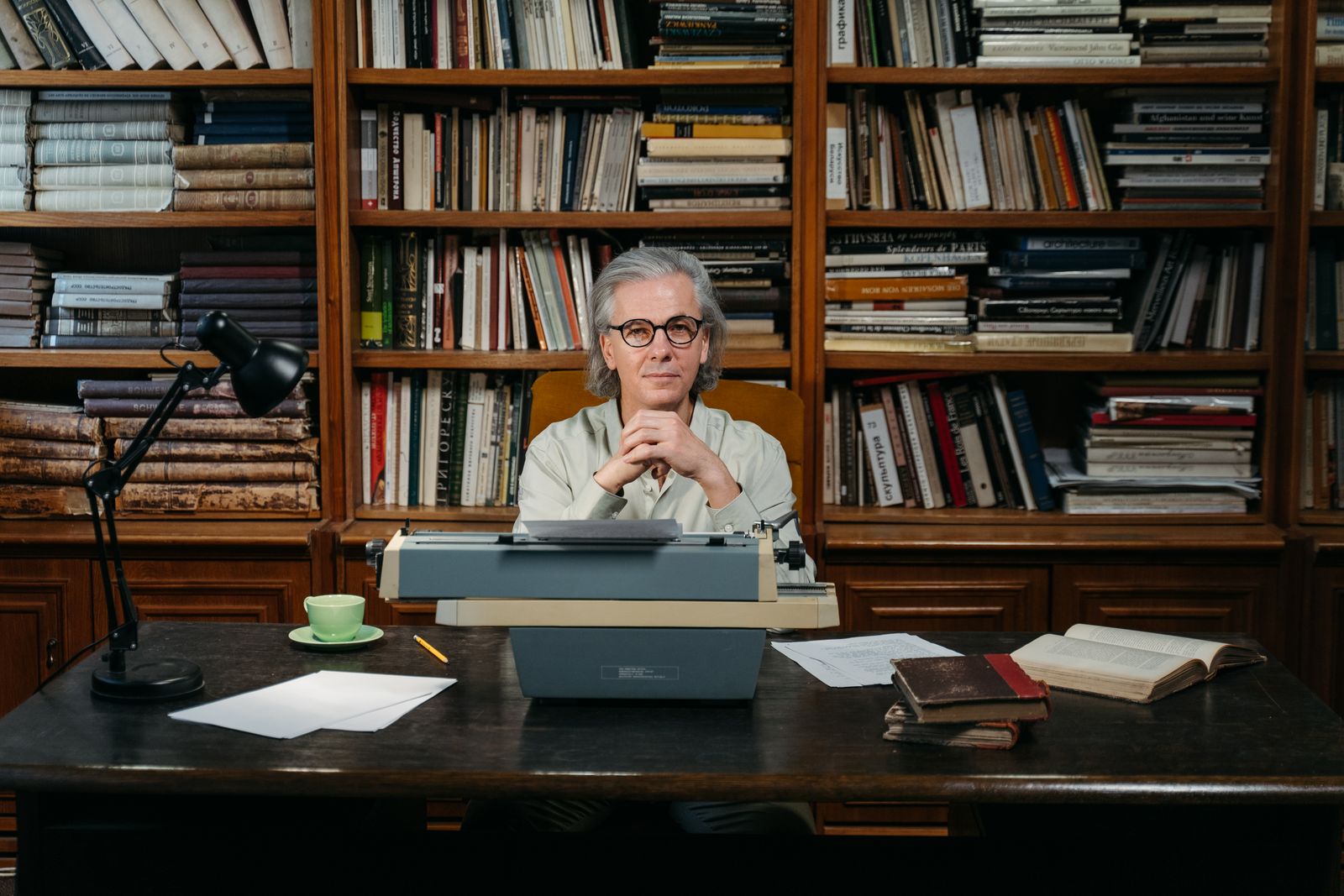
Miguel Brascó, a man who seemed to have lived a thousand lives in one, would turn one hundred on September 14, 2026. A lawyer, poet, humorist, cartoonist, editor, gastronomic critic, and a true bon vivant, Brascó was a central figure in Argentine and Latin American culture for decades. His wit and curiosity led him down paths as diverse as comic strip creation, magazine editing, and musical composition.
Born in Sastre, Santa Fe, in 1926, and passed away in Buenos Aires in 2014, Brascó left a legacy that extends far beyond his publications. He was a bridge between worlds, a tireless explorer of the good life and the well-crafted word. Today, as we remember his journey, we invite you to discover some lesser-known curiosities about his life that make him even more fascinating.
1. He Gave Quino the Idea to Create Mafalda
One of the most intriguing stories about Miguel Brascó involves one of Argentina's and the world's most beloved characters: Mafalda. It was Brascó who, in 1962, suggested to his friend Joaquín Lavado, better known as Quino, the idea for a comic strip. The commission came from the Siam Di Tella company to promote its Mansfield appliances, and the condition was that all characters' names had to start with the letter "M," as explained in Brascó's biography on Wikipedia.
Although the advertising campaign with the newspaper "Clarín" did not proceed because the newspaper detected the covert advertisement, Brascó did not let the strips go to waste. Impressed by what he considered an homage to "Periquita" in Mafalda's drawing, he decided to publish three of those initial strips in "Gregorio," the humor supplement he himself had created and directed within "Leoplán" magazine. Thus, Brascó was the first to show the world the genius of Mafalda, a character who would soon become a global icon.
2. A True Cultural Renaissance Man
Miguel Brascó's list of occupations is as long as it is varied, showcasing inexhaustible curiosity and talent. He was a lawyer by training, but his true calling led him to be a poet, short story and novel writer, humorist, cartoonist, and editor. Additionally, he was a renowned wine and gourmet food critic, an influential journalist, and a self-confessed sybarite. This diversity made him a unique figure in the cultural landscape, as you can see in his Wikipedia profile.
From directing a radio station in Santa Fe to writing about the pleasures of the table, Brascó moved effortlessly through various fields. His ability to combine intellectual rigor with humor and the enjoyment of life made him accessible to a wide audience, making it clear that art and culture can be found everywhere, from a poem to a good glass of wine.
3. Co-Author of Iconic Songs with Ariel Ramírez
Beyond literature and journalism, Miguel Brascó also left his mark on the world of music, collaborating with great figures. He co-authored two beloved zambas: "Santafesino de veras" and "Agua y Sol del Paraná," both with music by the celebrated Ariel Ramírez. This musical facet, often less known, shows another side of his creativity and his deep connection to Argentine folk culture, as reported by La Nación.
But he didn't limit himself to folklore. He also co-authored "La Vuelta de Obligado," an anti-colonialist work, with music by Alberto Merlo. These musical collaborations demonstrate that Brascó set no creative boundaries and that his artistic sensibility ranged from intimate poetry to popular expression and social commitment.
4. A Pioneer of Gourmet and Erotic Journalism
During the 1970s and early 1980s, Miguel Brascó directed "Diners" and "Status" magazines, where he found the perfect space to unite two of his great passions: eroticism and gourmandise (the art of enjoying fine food). In these publications, Brascó created photographic chronicles and "bon vivant" narratives characterized by his imagination, humor, and his own drawings, as detailed in his biography on Wikipedia.
This bold and uninhibited vision positioned him as a pioneer in lifestyle journalism, long before these topics became mainstream. His approach was to celebrate life's pleasures openly, with an elegance and wit that few could match. Later, in 2001, he continued to explore this line by directing "Ego" magazine alongside Jorge Lanata.
5. Friend to Greats Like Cortázar and Piazzolla
Miguel Brascó's life was surrounded by some of the brightest minds of his time. He was a personal friend of figures such as Julio Cortázar, Astor Piazzolla, chef Gato Dumas, and, of course, Quino. These friendships not only speak to his charisma but also to his ability to connect with artists from various disciplines, as mentioned in his Wikipedia profile.
In addition to his artistic circles, Brascó served as secretary of the exclusive Epicure Club at the Plaza Hotel in Buenos Aires for 15 years. This role allowed him to be at the center of the capital's social and gastronomic life, confirming his status as a benchmark of good taste and sophistication, yet always with a human warmth that made him approachable.
6. He Lived in Several Countries, Broadening His Perspective
Miguel Brascó's curiosity was not limited to books and fine dining; it also led him to explore the world. Throughout his life, he lived in several countries, including Peru, Sweden, Holland, and Spain, according to his biography on Wikipedia. This international experience undoubtedly enriched his perspective as a writer and critic, giving him a broader view of culture and customs.
Living in different cultures allowed him to absorb new ideas and nuances, which he later expressed in his writings and in his way of understanding life. This broad-mindedness distinguished him and gave his work a cosmopolitan touch, making his observations on gastronomy, art, or daily life resonate universally.
7. He Was the Subject of a Documentary During His Lifetime
A year before his passing, in 2013, a documentary film dedicated to his life and work, simply titled "Brascó," premiered. Directed by Ernesto Livon Grosman, the film explored Miguel Brascó's multiple facets as a visual artist, writer, and editor, showcasing the complexity and richness of his career, as detailed on Wikipedia.
Having a documentary dedicated to him during his lifetime is a clear sign of the relevance and impact Brascó had on culture. It is a recognition of his vast career and the influence he exerted on different generations of artists and readers. Such tributes are rare and demonstrate the affection and admiration his figure generated in the cultural sphere.
Why it matters
Miguel Brascó was much more than a writer or a critic; he was a true cultural orchestrator, a bridge between art, journalism, and the enjoyment of life. One hundred years after his birth, his legacy lives on in the pages he wrote, in the ideas he sowed, and in the spirit of curiosity and joy that always accompanied him. He reminds us that life is a multifaceted work of art, ready to be explored with passion and good humor.
Script for your video
Runs about 52 secMake short videos? This script sums up the story so you can read it off your teleprompter and record a Reel, a Short, or a TikTok.
Title for your video
Mafalda, Music & More: Brascó, the Hidden Genius Turns 100
How to use it
- 1Pick the length — 1 or 2 minutes — and tap “Copy script.”
- 2Paste it into the teleprompter app on your phone, or read it off the screen.
- 3Record vertically and post it to Reels, Shorts, or TikTok.
It's free to use, and you can monetize your video. We only ask that you say where you read it: the script already ends with “The full story is on losupe.com.”
Sources
TopicsMiguel BrascóMafaldaArgentine CultureGourmet JournalismLiterature