Sharat Chandra Chattopadhyay: 5 Curiosities 150 Years After His Birth
Today marks 150 years since the birth of Sharat Chandra Chattopadhyay, one of the most influential novelists in Bengali literature. We share five curious facts about his life and work.
ByMerry Melina5 min read
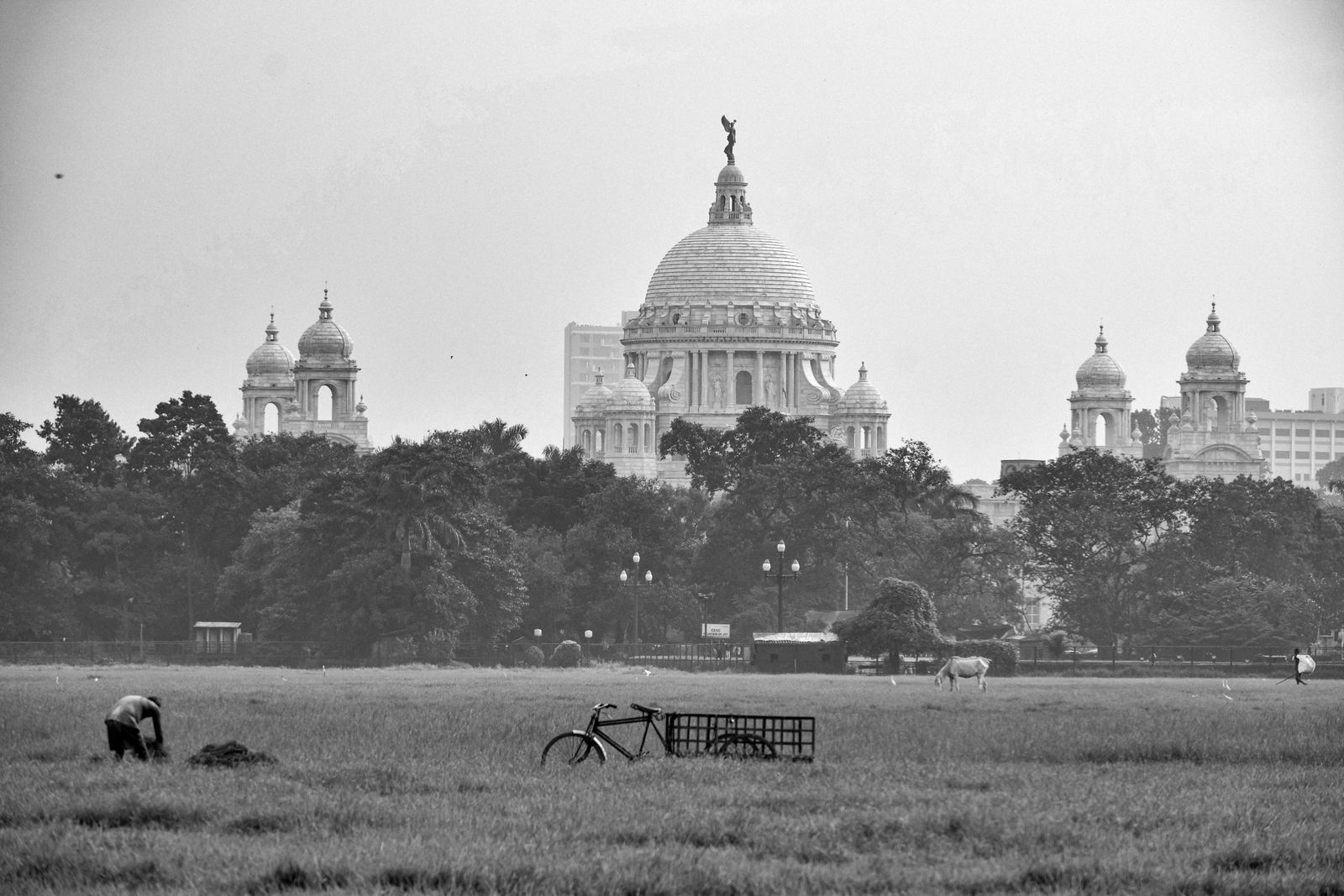
Today, September 15th, marks 150 years since the birth of Sharat Chandra Chattopadhyay, a name you might not immediately recognize if you're not familiar with Indian literature, but whose influence on Bengali culture is immense. This novelist, born in Devanandapur in 1876, became one of the most important voices of his time, using his stories to reflect and often question the society around him. His writings, full of humanity and social critique, continue to resonate today. To celebrate this anniversary, we're sharing some fascinating facts about his life and work that you might not have known.
The story of Devdas waited 16 years to see the light of day
One of Sharat Chandra Chattopadhyay's most famous works, the novel Devdas, has a rather peculiar publication history. Although it was formally published in 1917, the author had actually written it much earlier, in 1901, when he was just 25 years old, according to Wikipedia. Imagine having such an important work stored away for over a decade.
This time gap is fascinating. It shows us that Chattopadhyay already possessed clear talent and a narrative vision from a young age. Perhaps the novel didn't immediately find a publisher, or maybe he himself chose to refine it at his own pace. What is certain is that when it finally reached readers, it became an instant classic, spawning multiple film adaptations and solidifying its place in Indian literature. It's a reminder that sometimes, great stories need time to mature before reaching their audience.
A mirror to Bengali society and its injustices
Sharat Chandra Chattopadhyay didn't just tell stories; he used them as a powerful tool to closely examine the Bengali society of his era. In his novels, he openly criticized the entrenched superstitions, abuses of power, and social oppression experienced by many, especially women and the most vulnerable. This is detailed in his Wikipedia biography.
This critical perspective made his work highly relevant. He held nothing back, exposing the flaws and contradictions of his environment. His characters often faced difficult moral and social dilemmas, allowing readers to connect deeply with their struggles. He was an author unafraid to point out what was wrong, perhaps seeking, through his words, to inspire reflection and change. As we shared in this article about Sherwood Anderson, writers often have a sharp eye for their times.
A prolific author with a long list of successful works
Throughout his career, Sharat Chandra Chattopadhyay proved to be an incredibly productive writer. The list of his notable works is extensive and spans several decades, from Baradidi in 1907 to Ses Prasna in 1931, as you can see on his Wikipedia page. Each of these novels and stories contributed something unique to Bengali literature.
This consistency in writing, always maintaining his style and critical focus, is one reason his legacy is so strong. He published at least 14 major works between 1907 and 1933, demonstrating a dedication and passion for storytelling that few manage to sustain for so long. His ability to continue creating and connecting with the public over the years is truly admirable.
Also known as Sharat Chandra Chatterjee
If you search for information about Sharat Chandra Chattopadhyay, you might come across another version of his name: Sharat Chandra Chatterjee. This slight variation is common in many cultures, and according to Wikipedia, both forms refer to the same person. It's not uncommon for transliterations of names from non-Latin languages to have different spellings in the Western world.
This duality in his name doesn't change his impact or legacy, but it's an interesting detail that can confuse those encountering his work for the first time. The important thing is that, under either form, lies one of India's most influential novelists, whose stories continue to be studied and enjoyed by millions.
His stories were born and grew in Bengal
Sharat Chandra Chattopadhyay's life was deeply intertwined with the Bengal region of India. He was born in Devanandapur, in the Hooghly district, on September 15, 1876, and passed away in Calcutta on January 16, 1938, as detailed in his Wikipedia biography. These places were not only settings for his life but also the wellspring of inspiration for many of his narratives.
By being so deeply rooted in his homeland, Chattopadhyay was able to observe firsthand the customs, challenges, and beauties of Bengali life. His novels are a testament to this profound knowledge, offering readers an authentic window into the culture and social complexities of the region. He was, in essence, a storyteller of his people, for his people, and about his people, which gave him undeniable authenticity.
Why it matters
Sharat Chandra Chattopadhyay was much more than just a novelist. He was a keen observer of society, a courageous critic, and a storyteller with a unique ability to connect with people. His stories, celebrating 150 years since his birth, continue to reflect struggles and hopes that, though set in a specific time and place, resonate with universal human truths. Celebrating his legacy means recognizing the importance of literature in understanding who we are and how we can build a more just world.
Script for your video
Runs about 48 secMake short videos? This script sums up the story so you can read it off your teleprompter and record a Reel, a Short, or a TikTok.
Title for your video
Sharat Chandra Chattopadhyay: 150 Years of a Hidden Genius.
How to use it
- 1Pick the length — 1 or 2 minutes — and tap “Copy script.”
- 2Paste it into the teleprompter app on your phone, or read it off the screen.
- 3Record vertically and post it to Reels, Shorts, or TikTok.
It's free to use, and you can monetize your video. We only ask that you say where you read it: the script already ends with “The full story is on losupe.com.”
Sources
TopicsLiteratureIndiaNovelistsAnniversariesBengali culture