Global Economic Conflicts: How International Tensions Affect Your Daily Life
Disagreements between countries might seem distant, but their consequences are directly felt in our wallets. The situation between the United States and Iran is a clear example of how sanctions and instability impact prices and daily life.
ByPedro Llerena4 min read
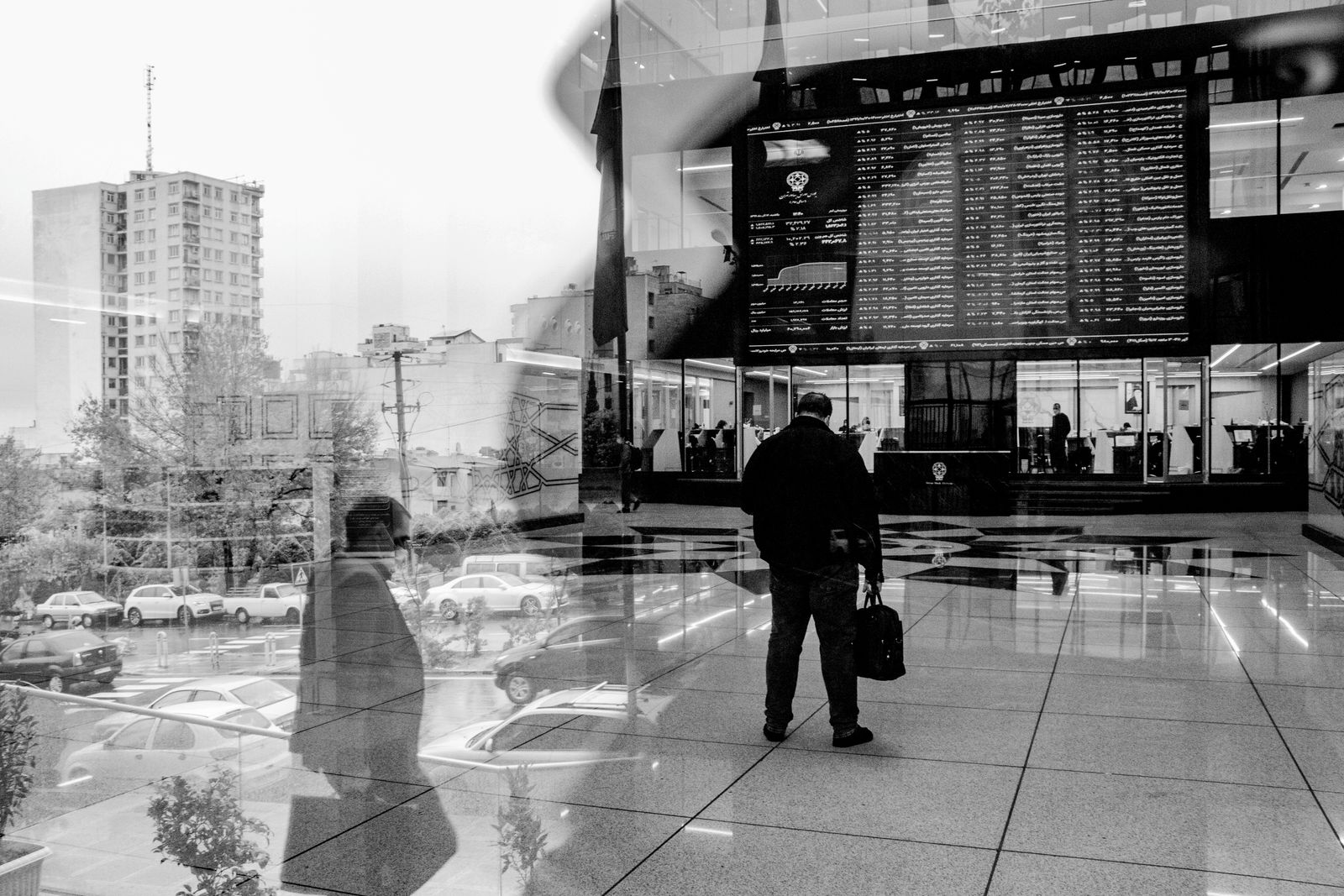
When we hear about economic conflicts between nations, it's easy to think they are complex, distant matters that only affect governments or large corporations. However, the reality is that these tensions have a direct and tangible effect on our daily lives, from the price of what we buy to the stability of our household finances.
The recent situation between the United States and Iran offers a clear perspective on how these global events translate into very concrete concerns for people. After six months of conflict, the United States has announced new measures to pressure the Iranian economy, leading to fear and price increases for its citizens, as reported by El País.
The Domino Effect of Economic Sanctions
Economic sanctions are tools used by one country to pressure another, aiming to limit its financial and commercial capacity. The goal is to isolate an economy, but this has direct consequences for its inhabitants. In Iran's case, the US goal is to choke its economy, which translates into a more uncertain future for many people.
The US Treasury Department has sanctioned 60 individuals, entities, and vessels, and has warned that those who continue to trade with Iran could be excluded from the international financial system, as noted by El País. This creates an environment of significant pressure for businesses and banks. Although Iran claims to be "completely prepared" to face these measures and trusts that partners like China and Russia will not accept them, the uncertainty is real.
If you want to understand more deeply how these measures work and their scope, you can check our guide on international economic sanctions.
Fuel: A Thermometer for the Family Economy
One of the first places where the consequences of economic conflicts are felt is in fuel prices. Gasoline isn't just for cars; it's a cost factored into the transportation of almost everything we consume.
In Iran, a country with large oil reserves, gasoline is usually very cheap thanks to state subsidies. However, fears that prices might rise due to new sanctions have led to long queues at gas stations, with people trying to fill their tanks. An attempt to raise prices in 2019 already caused protests and unrest, showing how sensitive this issue is for the population, according to El País.
This concern about fuel is not exclusive to Iran. In other parts of the world, rising diesel prices, for example, also have a direct impact on your wallet and daily economy, as we explained in this article.
When Inflation Squeezes the Wallet
Beyond fuel, international economic tensions can trigger inflation, meaning money buys fewer goods. In Iran, the economy contracted by 2.8% in the fiscal year 2025-2026, and annual inflation was already hovering around 54% in March 2026. Since then, prices have risen by 62%, according to official Iranian figures reported by El País.
This has a direct impact on people's lives. A shopkeeper in Tehran told El País that his sales have dropped by 45% since the conflict began. People feel poorer, have less money to spend, and businesses suffer. It's a chain reaction: fewer sales mean less income for companies, which in turn can lead to cutbacks or fewer job opportunities.
Diplomacy at Play: Seeking Ways Out of Tension
Amidst these pressures, diplomacy plays a crucial role. Countries like Pakistan are mediating in the conflict between the United States and Iran, seeking a path to prevent further escalation. Recently, Pakistan reported "significant progress" in talks with Tehran, according to El País. These dialogues are vital to try to de-escalate the situation and find solutions that ease the economic burden on the population.
The stance of other countries is also important. Iran trusts that its main trading partners, such as China and Russia, will not give in to US pressure to cut ties. How these international relationships evolve will largely determine the final impact of the sanctions and the economic stability of the region.
Why it matters
International economic conflicts are not just newspaper headlines; they are events that directly shape the reality of millions of people. Understanding how political decisions and tensions between countries influence fuel prices, inflation, and market stability helps us better comprehend our own economic environment and prepare for potential changes that may arise.
Script for your video
Runs about 44 secMake short videos? This script sums up the story so you can read it off your teleprompter and record a Reel, a Short, or a TikTok.
Title for your video
Your Wallet Hurts: Global Conflicts Spike Prices in Iran
How to use it
- 1Pick the length — 1 or 2 minutes — and tap “Copy script.”
- 2Paste it into the teleprompter app on your phone, or read it off the screen.
- 3Record vertically and post it to Reels, Shorts, or TikTok.
It's free to use, and you can monetize your video. We only ask that you say where you read it: the script already ends with “The full story is on losupe.com.”
Sources
Topicseconomyinflationsanctionspricesconflict



