International Economic Sanctions: How They Impact Global Economy and Relations
Economic sanctions are a powerful tool in many countries' foreign policy. From asset freezes to trade embargoes, they affect entire nations and have a ripple effect on the global stage.
ByAndreea Blidar5 min read
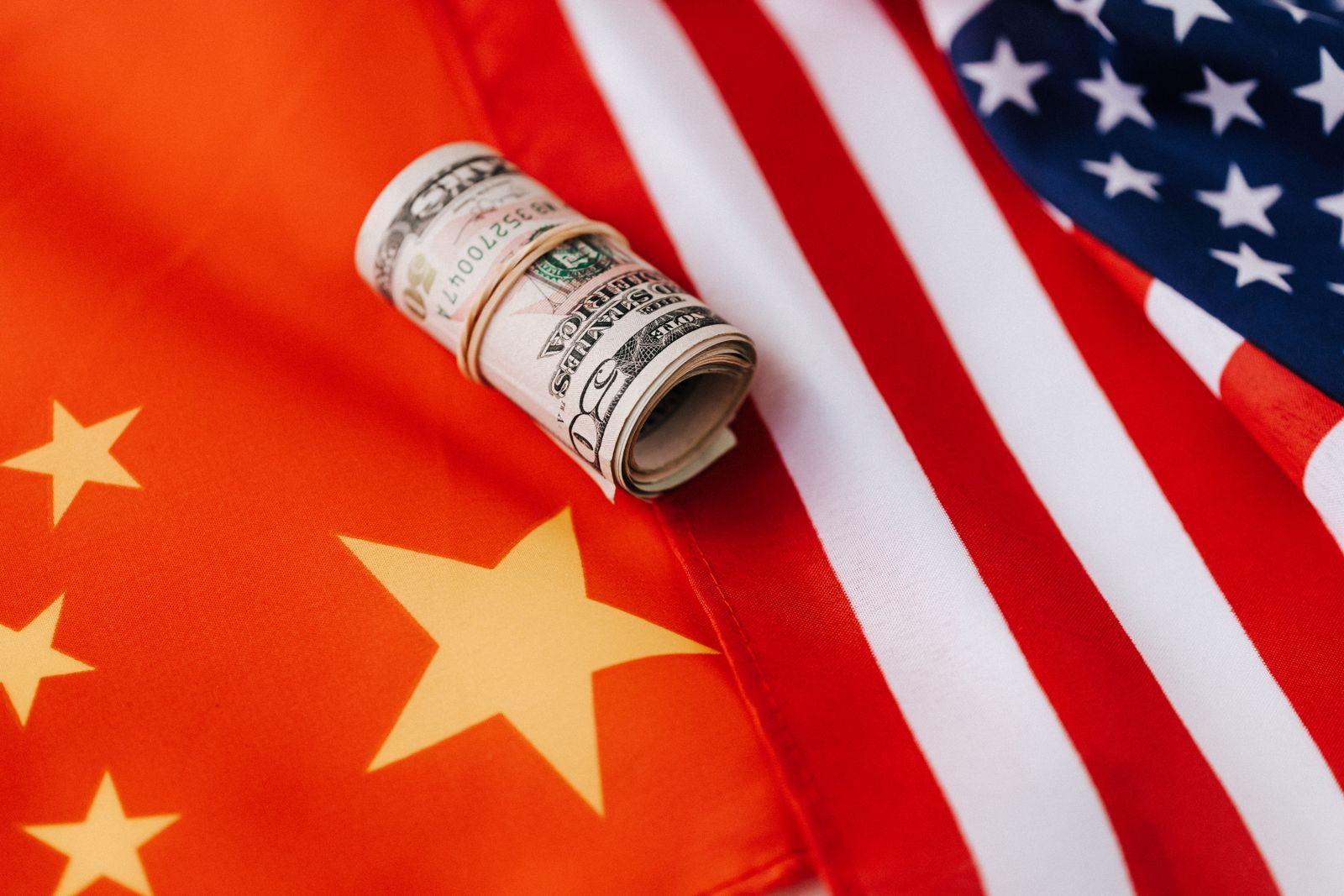
When financial leaders from around the world gather, such as at G20 meetings, conversations aren't just about interest rates or economic growth. They also cover foreign policy tools that have a direct impact on the global economy, like international sanctions. Recently, the U.S. Treasury Secretary and Argentina's Minister of Economy met in the context of the G20, while international attention remains focused on how certain conflicts and political decisions shape the global economic landscape. A clear example of these tools are the sanctions the United States has imposed on key sectors of the Cuban economy, affecting everything from banking to energy.
What Are International Economic Sanctions?
International economic sanctions are measures that one country or group of countries imposes on another to achieve a change in its behavior. They are a form of non-military pressure that seeks to influence the target country's politics, human rights, security, or economy. Think of them as an economic lever that governments use to try and get another nation to act in a certain way.
These measures are not random punishments; they have specific objectives, such as forcing regime change, stopping nuclear proliferation, combating terrorism, or promoting respect for human rights. For instance, the U.S. government has justified its actions against Cuba by stating they aim to restrict the regime's ability to finance its “repressive machinery,” as reported by El País.
Types of Sanctions and Their Application
Sanctions can be of various types and target different aspects of a country's economy. Here are the most common:
- Financial Sanctions: These are perhaps the most direct. They include freezing assets of individuals or entities in foreign jurisdictions and restricting banking transactions. If a bank in a sanctioned country cannot operate with international banks, it becomes very difficult for them to engage in foreign trade. In Cuba's case, the U.S. Treasury Department sanctioned the Banco Exterior de Cuba (BEC), a key institution for trade and international transactions, according to El País. This means U.S. citizens and companies are prohibited from dealing with it.
- Trade Restrictions: These aim to limit a country's ability to import or export goods and services. They can be total embargoes, prohibiting all trade, or selective restrictions on certain products. The United States imposed an oil embargo on Cuba which, according to El País, has caused constant blackouts and severely impacted the island's economy. Subsidiaries of Unión Cuba Petróleo (Cupet) and mining companies like Nicarotec and Cexni have also been sanctioned, affecting vital sectors such as nickel and cobalt. Even Cuba's Ministry of Tourism has faced restrictions, impacting one of the few remaining sources of revenue for the country.
- Individual Sanctions: Sometimes, sanctions target specific individuals who are part of the government or the power circle of the target country. This includes travel bans and freezing their personal assets. The U.S. Office of Foreign Assets Control (OFAC) sanctioned Fidel Ernesto Castro Calis, Raúl Castro's grandson, due to his connection with influential figures in the regime, as reported by El País.
Who Imposes Sanctions and Why?
Sanctions can be imposed by:
- Individual Countries: As in the case of the United States, which often uses the Treasury Department and its Office of Foreign Assets Control (OFAC) to designate individuals and entities.
- International Organizations: The United Nations Security Council is the best-known body for imposing sanctions, which are legally binding for all member states. The European Union or other alliances can also impose their own sanctions.
The reasons vary: from human rights violations, support for terrorism, military aggression, to the pursuit of weapons of mass destruction. In Cuba's case, the sanctions aim, according to the U.S. government, to force a political change and limit the regime's capabilities.
The Impact: Beyond Borders
The impact of sanctions is felt in many ways, both in the sanctioned country and internationally:
- In the Sanctioned Country: They cause shortages of goods, inflation, unemployment, and significant economic slowdown. In Cuba, sanctions have contributed to one of the worst crises in its recent history, with a collapse leading to constant blackouts and tensions, according to El País.
- Secondary Sanctions: An important aspect is that countries imposing sanctions may warn financial institutions or companies in other countries that if they deal with sanctioned entities or individuals, they could also face penalties. Washington, for example, has warned international financial institutions that interacting with sanctioned Cuban actors could carry risks, as reported by El País. This threat can deter companies from investing or trading, even if they are not directly under the jurisdiction of the sanctioning country. If you want to understand more about how countries ensure their economic stability against external challenges, we invite you to read our article on international financial backing.
- On International Relations: Sanctions can strain diplomatic and commercial relations between countries. They can also lead sanctioned countries to seek new alliances with other nations that do not apply those restrictions.
Challenges and Criticisms
Despite being a common tool, sanctions are not without criticism. Their actual effectiveness in achieving desired behavioral change and their humanitarian impact are often debated. Critics argue that they can harm the civilian population rather than government leaders, and sometimes fail to achieve their long-term political objectives. They can also create black markets or divert resources, further complicating the situation.
Why it matters
International economic sanctions are more than a fleeting news item; they are a complex and constant part of global geopolitics and economics. Understanding how they work, who imposes them, and what their consequences are helps you better grasp power dynamics, economic challenges, and humanitarian implications in an increasingly interconnected world.
Script for your video
Runs about 40 secMake short videos? This script sums up the story so you can read it off your teleprompter and record a Reel, a Short, or a TikTok.
Title for your video
Global Sanctions: Secret Weapon or Punishment for All?
How to use it
- 1Pick the length — 1 or 2 minutes — and tap “Copy script.”
- 2Paste it into the teleprompter app on your phone, or read it off the screen.
- 3Record vertically and post it to Reels, Shorts, or TikTok.
It's free to use, and you can monetize your video. We only ask that you say where you read it: the script already ends with “The full story is on losupe.com.”
Sources
TopicsSanctionsInternational economyGeopoliticsTradeFinance



