Economic Measures & Trade Routes: A Guide to Understanding Their Global Impact
Recent US actions in the Strait of Hormuz against Iran highlight how economic tools and strategic choke points shape international politics. Understanding these mechanisms is key to deciphering global dynamics.
ByMerry Melina4 min read
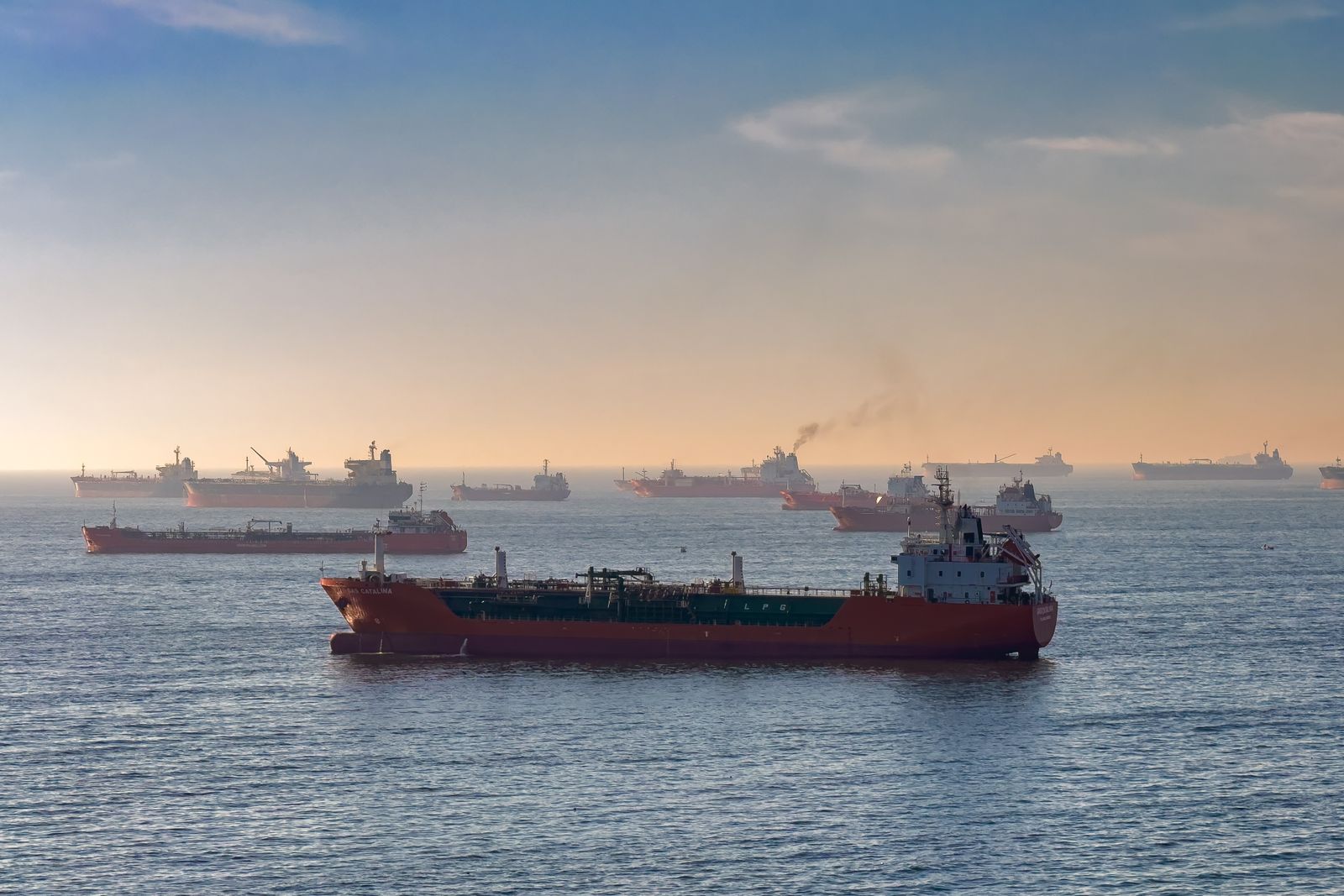
The rising tensions in the Strait of Hormuz, with the United States blocking or diverting commercial vessels, is a clear reminder of how economic tools and control over key routes are used in international politics. This action, part of an escalation of sanctions against Iran, goes beyond a single event. It invites us to understand the lasting mechanisms that shape global trade and relationships between countries.
As of August 27, the United States Central Command (CENTCOM) confirmed it has increased to 75 the number of commercial vessels blocked or diverted in the Strait of Hormuz. This measure is part of a "perimeter shutdown" in the Persian Gulf, in response to stalled talks with Tehran, as reported by El Destape. The White House has characterized this phase as an "economic war" against Iran, stating that its economy is in "free fall" with inflation exceeding 100%.
What Are Economic Sanctions and How Do They Work?
Economic sanctions are measures that one country or group of countries imposes on another to pressure it to change its behavior. They can vary widely, from prohibiting trade in certain goods to freezing financial assets or restricting travel. Their primary goal is to create such a high economic cost that the sanctioned country is forced to renegotiate or modify its policies.
In Iran's case, White House spokesperson Karoline Leavitt, noted that trade restrictions are causing a "devastating scenario," with difficulties in paying salaries to its security forces, according to statements gathered by El Destape. These claims reflect the intent behind sanctions: to weaken the economic capacity of the target country. If you want to understand more deeply how these tools affect nations, you can read this article.
The Importance of Strategic Choke Points in Global Trade
The Strait of Hormuz is one of those geographical locations that holds immense weight in global trade. It is a narrow maritime passage connecting the Persian Gulf to the Arabian Sea, and a significant portion of the world's oil and natural gas passes through it. When a country can control or influence passage through such a strait, it possesses considerable leverage.
CENTCOM's ability to divert and block vessels in this area demonstrates the power that control over these "choke points" holds. Any disruption here can have ripple effects on energy prices and global supply chains, impacting economies far and wide. It's a reminder that geography continues to be an important player in the world economy.
The United States' Economic Context: A Key Factor
The United States' actions abroad do not occur in a vacuum. The country's internal economic situation also plays a role. Recently, the US public debt surpassed $40 trillion, a historic level equivalent to 124% of its GDP, according to El País. This increase has been accelerated by expenditures like the war in Iran and tax cuts.
With a budget deficit close to 6% of GDP and rising interest rates (30-year bonds have reached 5.3%, their highest level since 2007), pressure on the Federal Reserve to lower rates is constant. This internal situation can influence how the US government approaches international conflicts and applies its economic policies, perhaps seeking quick results or reaffirming its global standing. To better understand how the country redefines its objectives in conflicts, you can review our coverage.
How These Dynamics Impact the Global Economy
The interconnectedness of the global economy means that decisions by a major player, like the United States, have repercussions everywhere. Economic sanctions, control over vital trade routes, and the internal economic situation of a superpower combine to create a complex environment.
These dynamics can affect everything from the cost of gasoline in your car to the availability of products in stores, or the performance of your investments. Markets react to uncertainty, and geopolitical tensions can translate into economic volatility, making it even more important to stay informed.
Why It Matters
Understanding how economic sanctions work, the relevance of strategic points like the Strait of Hormuz, and the economic context of key countries like the United States is essential for everyone. These pieces help us understand not only daily news but also long-term trends affecting trade, energy, and global stability. Being aware of these mechanisms allows us to make better decisions, whether as consumers, investors, or citizens.
Script for your video
Runs about 43 secMake short videos? This script sums up the story so you can read it off your teleprompter and record a Reel, a Short, or a TikTok.
Title for your video
Hormuz Blockade: Economic War? Global Impact!
How to use it
- 1Pick the length — 1 or 2 minutes — and tap “Copy script.”
- 2Paste it into the teleprompter app on your phone, or read it off the screen.
- 3Record vertically and post it to Reels, Shorts, or TikTok.
It's free to use, and you can monetize your video. We only ask that you say where you read it: the script already ends with “The full story is on losupe.com.”
Sources
TopicsEconomyGeopoliticsSanctionsInternational TradeUnited StatesIran



