Trump's Economic Promises: Mixed Results Amid Iran Sanctions and Canada Tensions
Two years into his return to the White House, Donald Trump's economic promises present a mixed picture. While the stock market has rebounded and some prices have dropped, other key goals remain unfulfilled. Meanwhile, his administration is tightening economic pressure on Iran and creating trade tensions with allies like Canada and the European Union.
ByPedro Llerena6 min read
When Donald Trump returned to the White House in 2024, he promised voters he would rapidly drive down the cost of living and transform the US economy. These promises resonated with a public exhausted by years of high inflation during the previous administration. Now, two years later, the landscape shows varied results: some goals have been met, but many others have not.
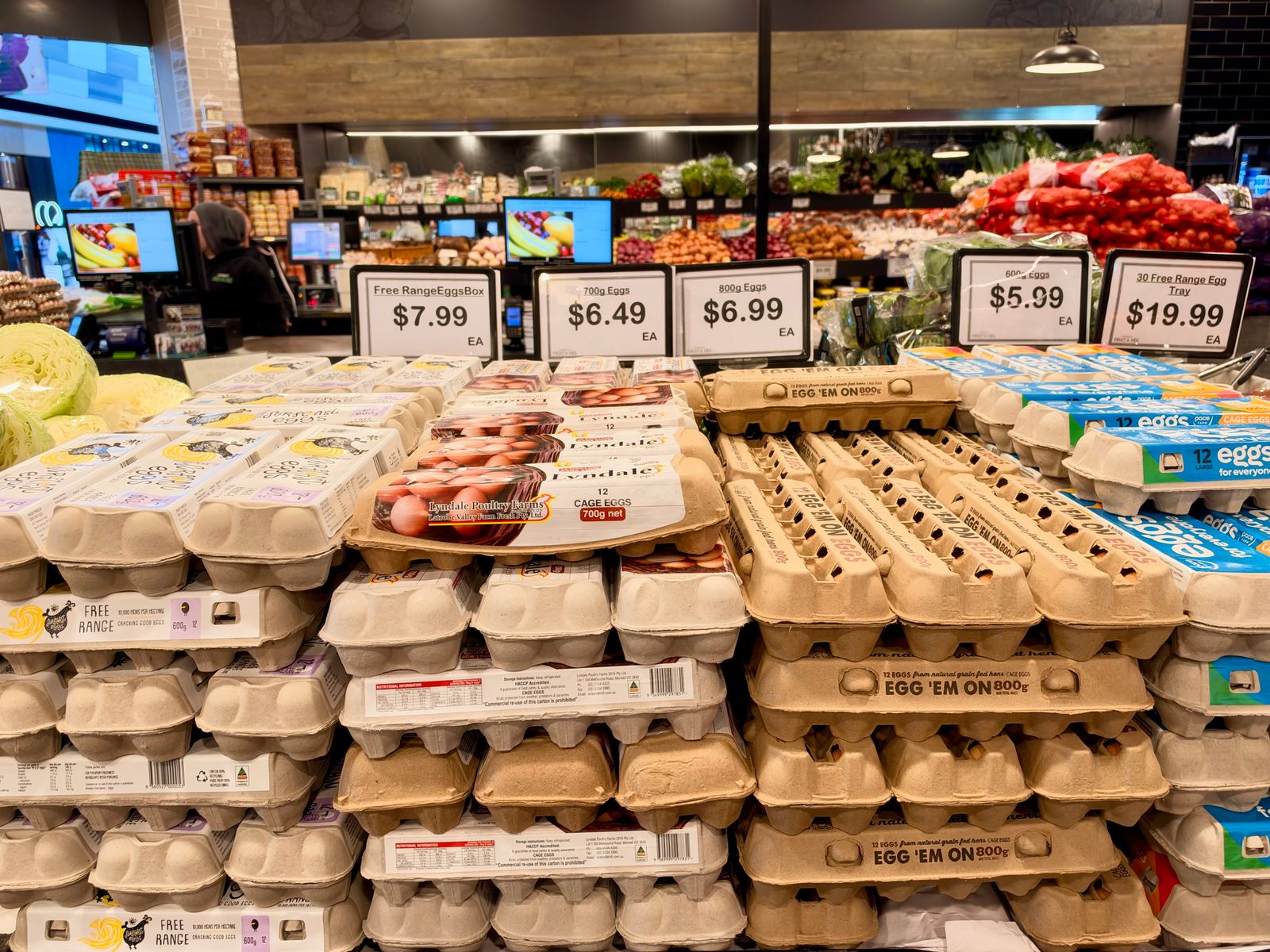
According to an analysis by CNN Business, the stock market has performed well, and the price of basic goods like eggs has decreased. However, other important areas have fallen short, which explains why Trump's approval on economic issues remains low in polling. Meanwhile, on the international stage, his administration has intensified economic pressure on Iran and generated new trade tensions with countries like Canada and the European Union.
The Economic Pulse at Home
On the campaign trail in 2024, Trump pledged that if he returned to the presidency, the cost of living in the United States would rapidly decrease, and the country's economy would be transformed. This message struck a chord with a public that had experienced years of high inflation. Two years later, the reality is more complex.
The stock market has enjoyed a period of growth, and some prices directly affecting family budgets, such as eggs, have decreased, as reported by CNN Business. These are positive points the administration can highlight. However, other fundamental promises for citizens' daily lives have not fully materialized. This combination of partial successes and unmet goals is one reason why public perception of Trump's economic management remains a challenge, reflected in polls where his economic approval is "deeply underwater," as the same report notes.
The "Maximum Pressure" Strategy Against Iran
On the international front, the Trump administration has once again focused on Iran. Treasury Secretary Scott Bessent announced what he described as the "most comprehensive assault to date" on Iran's economy, an initiative called "Operation Economic Outcast," as reported by The New York Times.
The plan aims to sanction over 60 entities, individuals, and vessels worldwide that, according to the United States, support Iran's nuclear and missile programs. Sanctions also extend to digital assets, gold, and aviation sectors that Iran uses to finance its economy. The goal is clear: to isolate Iran from the rest of the world, compel it to end its nuclear program, and allow the free passage of oil through the Strait of Hormuz, a critical area that, as we discussed in this article, is often a source of tensions and volatility in crude oil prices.
This measure comes at a time when the conflict with Iran continues to affect the global economy, especially by pushing energy prices higher. Bessent, who initially compared the announcement to an economic "D-Day," later clarified that it was more of a "warning shot" that would initiate a period of "quiet diplomacy" with other countries. The administration had previously implemented "maximum pressure" and "Operation Economic Fury" campaigns against Tehran.
The United States, thanks to the dollar's status as the world's reserve currency, has a unique ability to use sanctions as a diplomatic tool. This allows it to cut off individuals and businesses from much of the global financial system. In fact, the United Arab Emirates already announced the suspension of all its trade and financial transactions with Iran last week, suggesting an initial effect of the campaign.
However, the actual effectiveness of these measures is uncertain. Iran's Foreign Ministry has already stated that Tehran will not bow to the pressure and will use "all multilateral capacities to counter economic sanctions." Furthermore, the overuse of these tools could lead other countries to seek alternatives to the dollar, which, as Bessent acknowledged, could create "chaos across the world economy." The most complicated negotiations will be with China, the largest buyer of Iranian oil, whose financial system is more difficult to affect with US sanctions.
Trade Tensions with Canada and Europe
While the United States tightens the screws on Iran, economic relations with some traditional allies also face challenges. Canadian Prime Minister Mark Carney has expressed interest in Canada becoming an "associate member" of the European Union, a proposal that, according to the BBC, arises amid a "bitter tariff war" between the United States and Canada.
Carney sees this closer alliance with the EU as a "positive process" that would make Canada a "more effective partner" of the US, while strengthening Canadian sovereignty. However, President Trump called the idea "laughable" and threatened to impose fresh tariffs on Europe, as we reported in this article. This complicates the path for the Canadian Prime Minister, who seeks to reduce his country's economic dependence on the United States.
Opinions in Canada on this rapprochement with Europe are varied. While some citizens, like finance worker Matthew Arnott, believe that dependence on the United States has made Canada "vulnerable," others, like Hari Lamisane from Toronto, suggest it is better to focus on improving relations with their southern neighbor. Regional leaders like Tim Houston of Nova Scotia support expanding access for Canadian goods to European markets, while David Eby of British Columbia has pointed out the negative economic impact of US tariffs on small businesses and stated that "British Columbians don't trust Trump."
Canada and the EU already have a trade agreement since 2017, Ceta, which eliminates most taxes on goods. The EU is Canada's second largest trading partner. It is still unclear what exactly "associate membership" would entail, as it is not an existing title, but it could mean greater economic and travel integration, possibly with the adoption of EU regulations without full voting rights.
Why it matters
The Trump administration faces a delicate balance between fulfilling its domestic economic promises and managing a complex international landscape. Mixed results on the home front, coupled with an aggressive sanctions campaign against Iran and trade tensions with key allies, mark a foreign economic policy that seeks to redefine global relations. These decisions not only affect the US economy but also have a significant impact on global stability and trade dynamics.
Script for your video
Runs about 50 secMake short videos? This script sums up the story so you can read it off your teleprompter and record a Reel, a Short, or a TikTok.
Title for your video
Trump's Economy: Success or Failure? Sanctions & Global
How to use it
- 1Pick the length — 1 or 2 minutes — and tap “Copy script.”
- 2Paste it into the teleprompter app on your phone, or read it off the screen.
- 3Record vertically and post it to Reels, Shorts, or TikTok.
It's free to use, and you can monetize your video. We only ask that you say where you read it: the script already ends with “The full story is on losupe.com.”
Sources
TopicsEconomyDonald TrumpInflationEconomic PolicyInternational TradeIranCanadaEuropean Union