8 GDPR Curiosities That Changed How Companies and Users Handle Your Data
Since its implementation in 2018, the European Union's General Data Protection Regulation (GDPR) has transformed the global digital privacy landscape. Its rules are so broad that they affect not only European companies but anyone processing data of EU residents, regardless of their location in the world. Discover some of its most surprising facts.
ByPedro Llerena3 min read
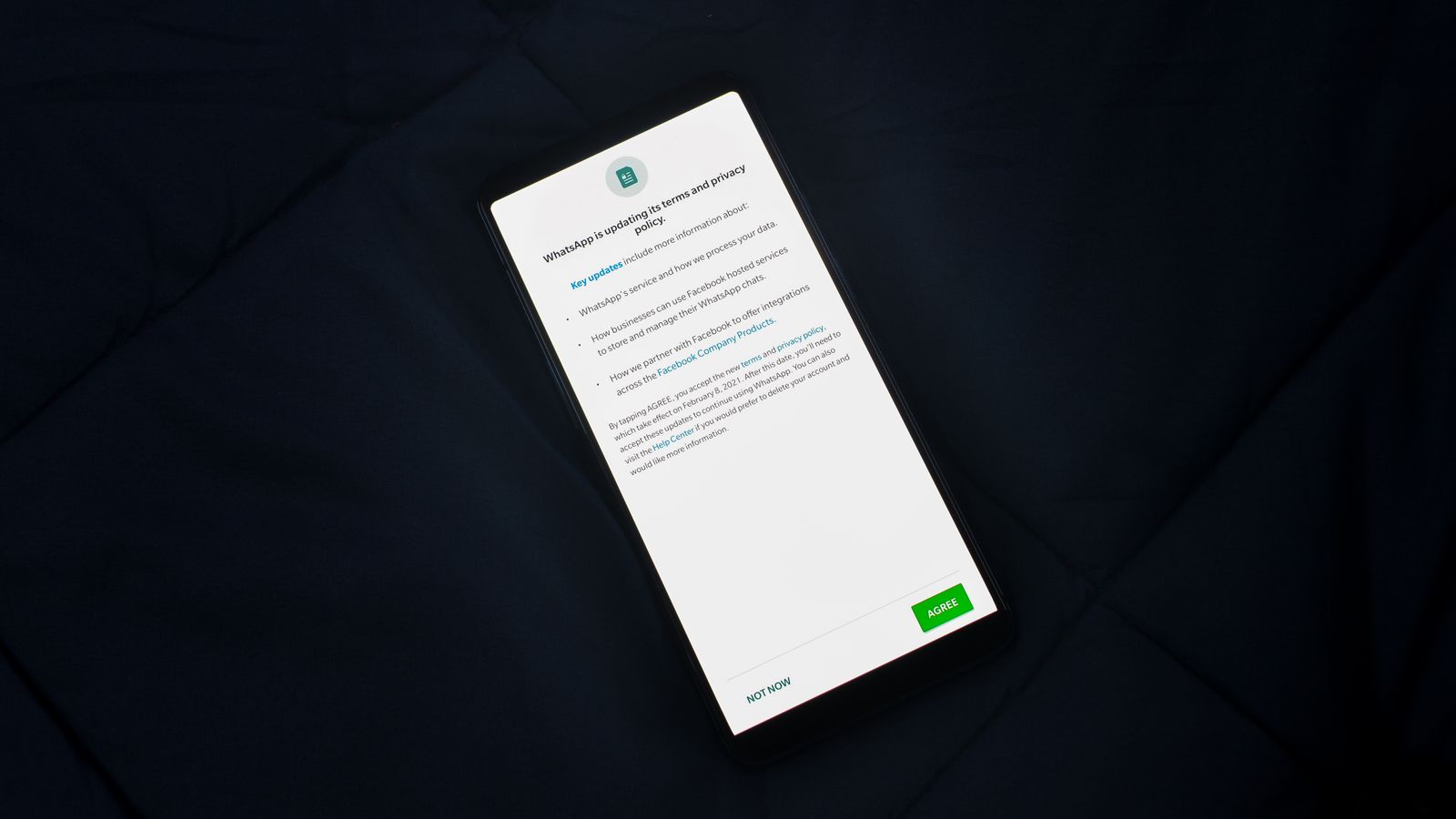
When we talk about protecting our personal data online, it's impossible not to mention the General Data Protection Regulation (GDPR). This European legislation, which came into full force on May 25, 2018, marked a before and after in how companies and organizations must handle our information. The curious thing is that, although it originated in Europe, its influence is felt in every corner of the planet.
GDPR was designed to give citizens more control over their own data, while simplifying rules for businesses operating internationally. But did you know it goes far beyond what it seems? We'll tell you some curiosities that show its true impact.
Curiosities of the General Data Protection Regulation
1. It's a Regulation, Not a Directive: Its Impact Was Immediate and Global
One of GDPR's key features, and what makes it so powerful, is that it is a regulation, not a directive. This means the text is directly binding and applicable in all European Union and European Economic Area (EEA) member states from day one, without each country needing to create its own transposition law. This is crucial because it eliminated the flexibility that previously allowed each state to adjust certain aspects, thus ensuring uniform application across the bloc.
According to Wikipedia's article on GDPR, it was published in the Official Journal of the European Union on May 4, 2016, and became applicable on May 25, 2018. This two-year period allowed companies, organizations, and institutions to adapt to the new requirements. The nature of a regulation ensures that if a company complies with a rule in Germany, it complies with the same rule in Spain or France, which greatly simplifies operations for companies with a presence in several European countries.
2. Its Reach Extends Beyond Europe's Borders
Although it is a European law, GDPR does not only affect companies based in the European Union. Its scope is global: it applies to any organization, regardless of its physical location in the world, as long as it processes personal data of individuals located in the EEA. This means that a company in the United States, Argentina, or Japan must comply with GDPR if it offers services to customers in Europe.
This characteristic has given GDPR such a profound impact on the global digital economy, forcing companies of all sizes to re-evaluate and adapt their data handling practices. This is why, if you've ever noticed changes in the privacy policies of your favorite online services, no matter where you live, GDPR is very likely behind those updates.
3. Fines for Non-Compliance Are Extraordinarily High
One of the most deterrent and striking aspects of GDPR is the high fines it can impose. If a company fails to comply with the regulations, penalties can reach 20 million euros or, in cases of more serious infringements, 4% of its annual global turnover, whichever is higher. These figures are truly significant, especially for large technology corporations.
According to Wikipedia, these penalties aim to ensure a strict compliance regime and have motivated companies to invest seriously in data protection. You can read more about this impact on companies in our note on 8 GDPR Surprises That Changed Privacy and Companies' Wallets.
4. It Created New "Digital Rights" for Citizens
GDPR introduced a new set of "digital rights" for individuals, giving them greater control over their personal data. These rights include the right to access personal data, the right to rectification (correcting inaccurate data), the right to erasure (the famous "right to be forgotten"), the right to restrict processing, the right to data portability, and the right to object to processing. These provisions fundamentally changed how companies interact with user data.
Before GDPR, many of these rights were either non-existent or fragmented across different national laws. As Wikipedia mentions, the regulation aims to improve the control and rights of individuals over their personal data. For example, if you want a company to delete your data, GDPR provides the legal framework for you to request it, and for the company to comply under certain conditions. This means greater transparency and empowerment for you as a user.
5. It Became a Global Model for Data Protection Laws
The impact of GDPR didn't stop at Europe's borders in terms of applicability; it also served as an inspiration for other countries around the world to develop their own data protection laws. Nations such as Brazil (LGPD), Japan, South Korea, Chile, Argentina, and even several African countries have adopted regulations that are heavily influenced by the principles and structure of GDPR.
This global ripple effect, highlighted by Wikipedia, shows how European legislation has become a benchmark for privacy in the digital age. While some critics point to potential challenges for developing countries in meeting such rigorous standards, the trend towards stronger data protection is undeniable, largely thanks to the precedent set by GDPR.
6. The United Kingdom Kept It, Even After Brexit
One of the most surprising facts is that, despite leaving the European Union, the United Kingdom decided to maintain the GDPR in identical form within its national legislation. On October 6, 2022, the UK confirmed that it would keep the law, reflecting the importance of harmonizing data protection with its largest trading partner, the EU, and the recognition of the regulation's effectiveness.
This decision, also noted in Wikipedia, underscores the universal acceptance of GDPR's principles and the complex reality of data flows in an interconnected world. For businesses operating between the UK and the EU, this continuity provided much-needed stability and avoided a complete overhaul of their data privacy practices.
7. It Doesn't Apply to Purely Personal or Household Activities
While GDPR is broad, it has specific limitations. It does not apply to the processing of data by an individual for
Script for your video
Runs about 45 secMake short videos? This script sums up the story so you can read it off your teleprompter and record a Reel, a Short, or a TikTok.
Title for your video
GDPR: Who Controls Your Data? Discover Its Global Impact!
How to use it
- 1Pick the length — 1 or 2 minutes — and tap “Copy script.”
- 2Paste it into the teleprompter app on your phone, or read it off the screen.
- 3Record vertically and post it to Reels, Shorts, or TikTok.
It's free to use, and you can monetize your video. We only ask that you say where you read it: the script already ends with “The full story is on losupe.com.”
Sources
TopicsGDPRData PrivacyEuropeDigital EconomyRegulationsGlobal Impact