Brent Crude Oil Hits $100 a Barrel as Middle East Tensions Escalate
Brent crude oil prices reached $100 per barrel, a milestone not seen in years, driven by intensifying instability in the Middle East. This surge could directly impact global energy and transportation costs.
ByPedro Llerena3 min read
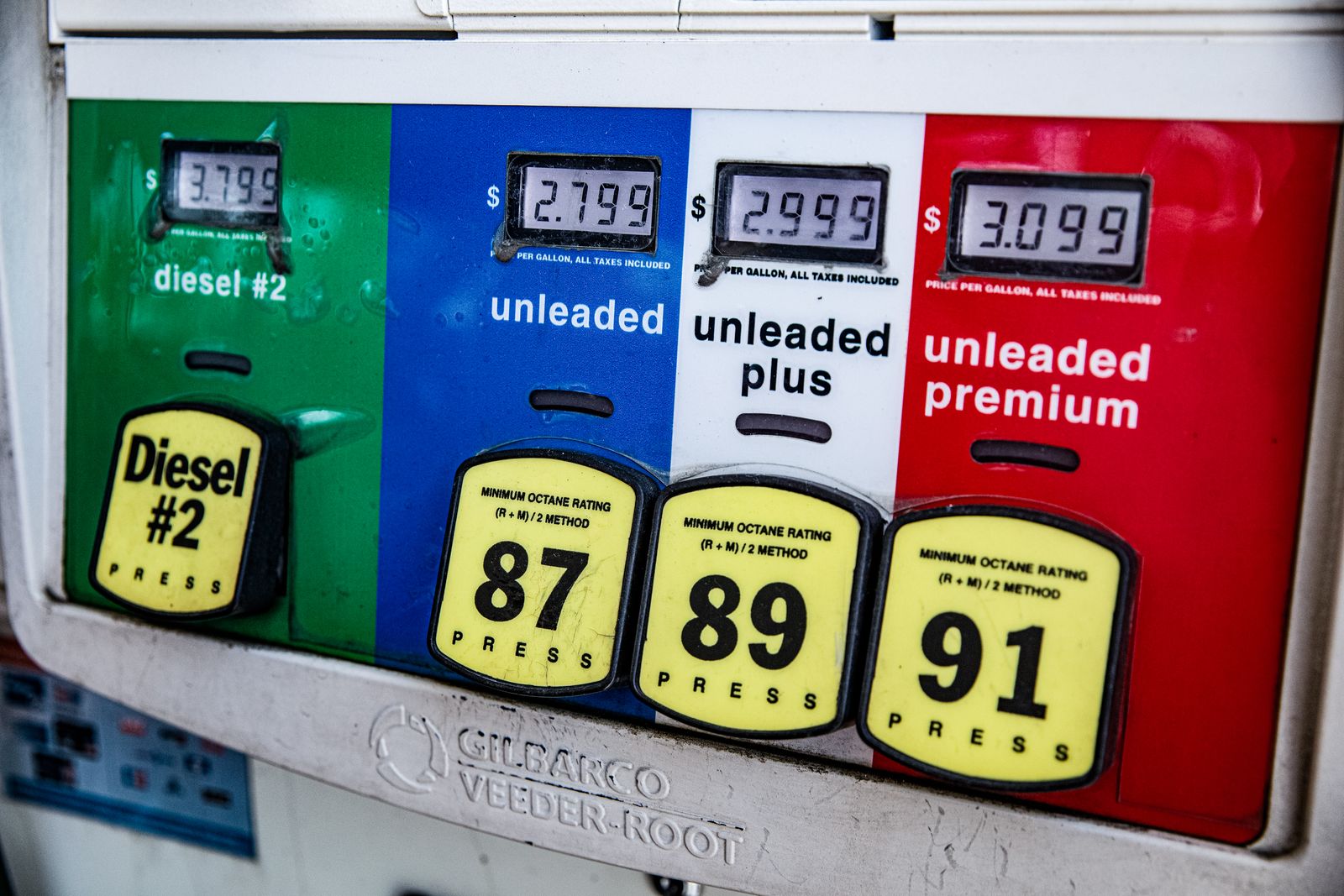
The price of Brent crude oil, a key international benchmark, surged past $100 per barrel this Tuesday. This significant jump, as reported by The New York Times, comes amid escalating tensions in the Middle East, a region vital for global energy supply.
The last time Brent traded at this level was years ago, marking an important moment for the global economy. This increase doesn't just affect large oil buyers and sellers; it's also felt in people's wallets through the cost of gasoline and other goods.
What Drove the Price Up So Much?
The primary reason behind this surge is the heightened instability in the Middle East. The region, home to a significant portion of the world's oil reserves, is experiencing intensified conflicts that create uncertainty among investors.
When there are doubts about the ability to safely produce and transport oil, markets react. Buyers rush to secure their supplies, which pushes prices upward. In this context, any news regarding the security of shipping lanes or oil production in the area has an immediate impact on crude oil prices.
Countries like Qatar have been seeking diplomatic solutions to regional conflicts, as we covered in this article, but the situation remains fragile and volatile.
The Impact on Your Daily Life
An increase in oil prices like this has direct consequences for the global economy and, by extension, for consumers. The first thing we notice is a rise in gasoline costs at the pump. This means filling up your car's tank becomes more expensive.
But the effect doesn't stop there. Transportation is a fundamental component in almost every product we buy, from food to clothing and electronics. If fuel for trucks, ships, and airplanes is more expensive, companies pass those additional costs on to the final prices of their products. This can create a ripple effect, contributing to inflation and reducing families' purchasing power.
In general, global conflicts have a significant impact on your wallet, and you can understand more about it by reading this analysis.
What's Next for the Markets?
The current situation generates much anticipation in financial markets. Analysts will be closely watching any developments in the Middle East, as well as decisions by major oil-producing countries and organizations like OPEC+.
Actions by governments and central banks will also be key to mitigating the effects of this increase. Some might consider releasing strategic oil reserves to stabilize prices, while others might focus on policies to control inflation.
For now, uncertainty is the keyword. Volatility could persist if there are no clear signs of de-escalation in geopolitical tensions.
Why it matters
The rise of Brent oil to $100 a barrel is a clear signal of how geopolitical events can shake the global economy. Beyond market numbers, this higher price could translate into a more expensive cost of living for millions of people, affecting everything from daily commuting to food prices. Keeping an eye on the Middle East is now more crucial than ever to understand where the global economy is headed.
Script for your video
Runs about 2 min 17 secMake short videos? This script sums up the story so you can read it off your teleprompter and record a Reel, a Short, or a TikTok.
How to use it
- 1Pick the length — 1 or 2 minutes — and tap “Copy script.”
- 2Paste it into the teleprompter app on your phone, or read it off the screen.
- 3Record vertically and post it to Reels, Shorts, or TikTok.
It's free to use, and you can monetize your video. We only ask that you say where you read it: the script already ends with “The full story is on losupe.com.”
Sources
TopicsoilBrenteconomyMiddle Eastprices



