Cuba: US Sanctions Hamper Reforms to Save the Island
The Cuban government, through its Foreign Minister Bruno Rodríguez, states that Washington's restrictions are hindering economic changes aimed at alleviating the island's difficult situation.
ByPedro Llerena4 min read
The Cuban government has stated that United States sanctions are interfering with its efforts to implement crucial economic reforms for the island. Cuban Foreign Minister Bruno Rodríguez affirmed that pressure from Washington directly affects the changes his country is trying to initiate to improve the situation, as reported by Infobae.
Cuban authorities describe the island's economic situation as "agonizing," with significant challenges in accessing basic goods, food, and medicine. Facing this outlook, the government has expressed its intention to push for internal reforms to seek solutions. However, they argue that US measures complicate this path, making it harder for the Cuban economy to recover and modernize.
A History of Restrictions
Relations between the United States and Cuba have been marked by a prolonged economic embargo and a series of sanctions imposed for over six decades. Although there was a brief period of rapprochement during the Obama administration, policies were tightened again in subsequent years. These restrictions aim to pressure the Cuban government to make political and economic changes, but Havana considers them interference and an obstacle to its sovereignty and development.
Washington's Restrictions
In the current context, Washington's provisions include the elimination of group educational travel, a category that previously allowed US citizens to visit the island for cultural or academic purposes. This measure limits the flow of tourists and visitors, directly affecting the Cuban tourism sector, a vital source of foreign currency for the country. By reducing opportunities for interaction and money inflow, these restrictions impact Cuba's ability to generate revenue and access markets.
Furthermore, the US government has banned financial and commercial operations with certain "sanctioned entities" in Cuba. This means that companies or individuals, both in the United States and in third countries, cannot conduct transactions with these Cuban entities without incurring penalties. For the Cuban government, this restriction greatly hinders the attraction of foreign investment, access to international markets, and the search for partners for development and economic modernization projects.
These sanctions are part of a framework of restrictive measures that have been in place for decades, impacting various sectors of the Cuban economy, from agriculture to energy, and making the import of any goods more costly and complex.
Havana's Response
Foreign Minister Bruno Rodríguez has been the main voice of the Cuban government in this complaint, reiterating the official stance. His central argument is that US sanctions not only seek to isolate Cuba politically but also act as a brake on any attempt at economic change or modernization the country wishes to undertake. According to Rodríguez, external pressure makes it harder for internal reforms to bear fruit, keeping the population in a precarious economic situation with widespread shortages.
From the Cuban perspective, these measures do not contribute to a possible thawing of bilateral relations. Instead, they exacerbate tension and deepen existing economic problems. The Cuban administration has reiterated its call for the lifting of these restrictions, arguing that they are an obstacle to the well-being of its people and to the advancement of its economic and social development agenda.
Impact on Daily Life
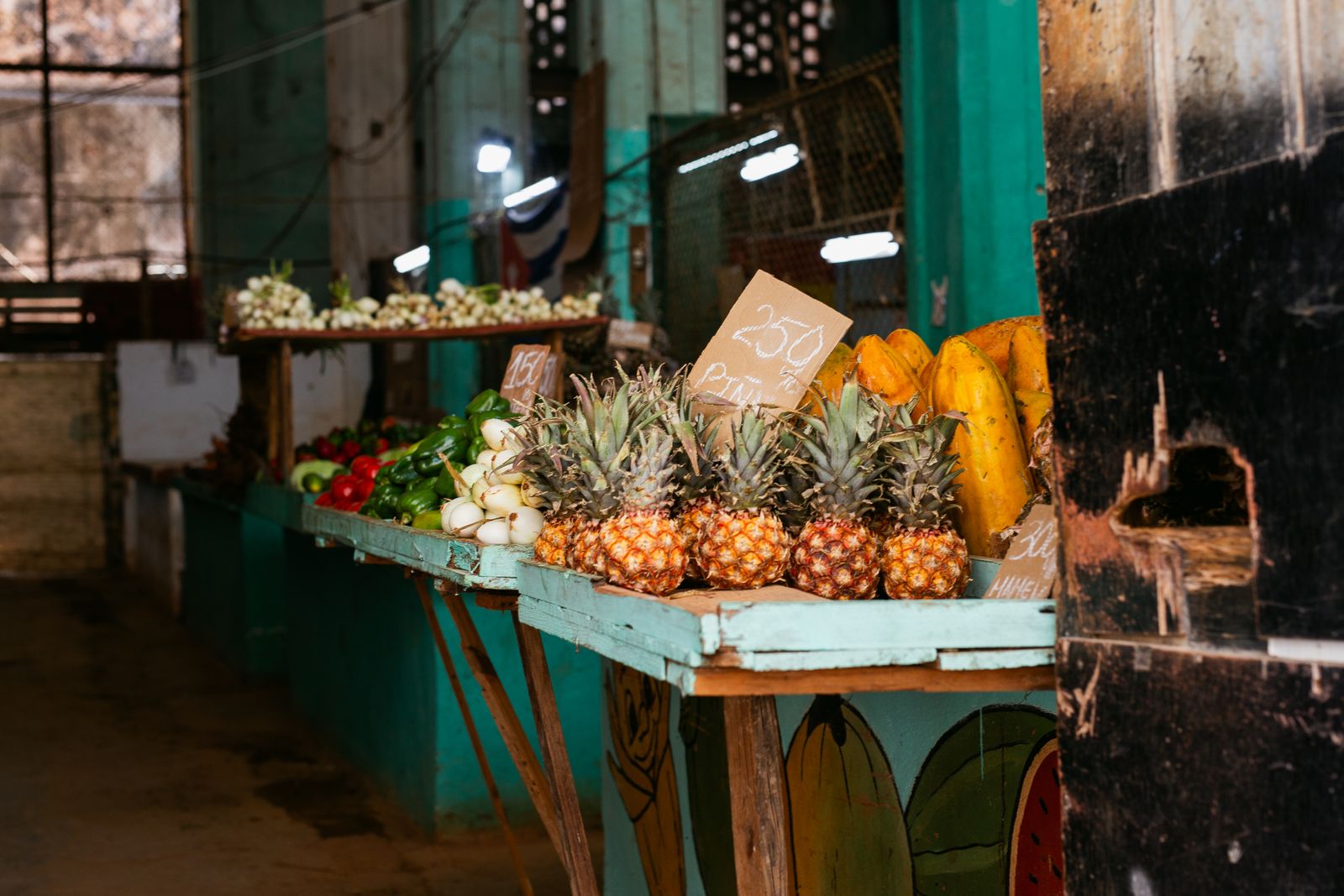
Shortages of basic products and inflation are everyday problems for Cubans. The government maintains that while there are internal challenges, external sanctions severely limit the country's ability to import essential food, medicine, fuel, and spare parts. This translates into long queues for products, power outages, and difficulties for transportation and local production. Reforms that are attempted, such as the opening to small and medium-sized private enterprises, face significant barriers due to a lack of access to international markets and financing, which sanctions further complicate. Daily life is affected by these limitations, from the availability of food in markets to infrastructure and basic services.
Why it matters
This situation is important because it shows how political tensions between the United States and Cuba continue to have a direct and profound impact on the lives of Cuban citizens and the government's ability to manage its economy. The reforms that Cuba claims it wants to implement are, according to its authorities, directly affected by Washington's decisions. This maintains a cycle of economic and diplomatic challenges that affect not only the island but also represent a constant point of friction in the region's international relations and a key factor in Caribbean stability.
Script for your video
Runs about 2 min 4 secMake short videos? This script sums up the story so you can read it off your teleprompter and record a Reel, a Short, or a TikTok.
How to use it
- 1Pick the length — 1 or 2 minutes — and tap “Copy script.”
- 2Paste it into the teleprompter app on your phone, or read it off the screen.
- 3Record vertically and post it to Reels, Shorts, or TikTok.
It's free to use, and you can monetize your video. We only ask that you say where you read it: the script already ends with “The full story is on losupe.com.”
Sources
TopicsCubaUnited Statessanctionseconomypolitics



