Economic Sanctions: A Guide to Understanding Their Impact and National Responses
Economic sanctions are a powerful tool in international politics, used to pressure governments without resorting to military force. We explain how they work, their impact on trade and finance, and the strategies countries adopt to resist them, using Iran's case as an example.
ByAndreea Blidar5 min read
In the chess game of global politics, economic sanctions are an increasingly common move. They don't aim for direct armed conflict but rather to pressure a country into changing certain policies. Recently, Iranian President Masoud Pezeshkian confirmed that his country's imports and exports have fallen between 25% and 35%, while Supreme Leader Mojtaba Khamenei has called for reducing reliance on the U.S. dollar, as reported by CNBC. This case serves as a good example to understand how these measures work and how countries try to manage them.
What Are Economic Sanctions?
Economic sanctions are restrictions that a country or a group of countries impose on another to achieve a political objective. They are like an economic punishment, designed to affect the sanctioned country's ability to trade, access financing, or even use certain currencies.
The idea is to generate enough economic pressure to force a change in behavior, whether in foreign policy, human rights, or nuclear programs. They can vary widely, from trade prohibitions to more complex financial restrictions.
To learn more about this, you can read our guide on how economic sanctions affect a country.
How Sanctions Work and What They Aim For
Sanctions operate in different ways, but their primary goal is to economically isolate the affected country. Here are some of the most common forms:
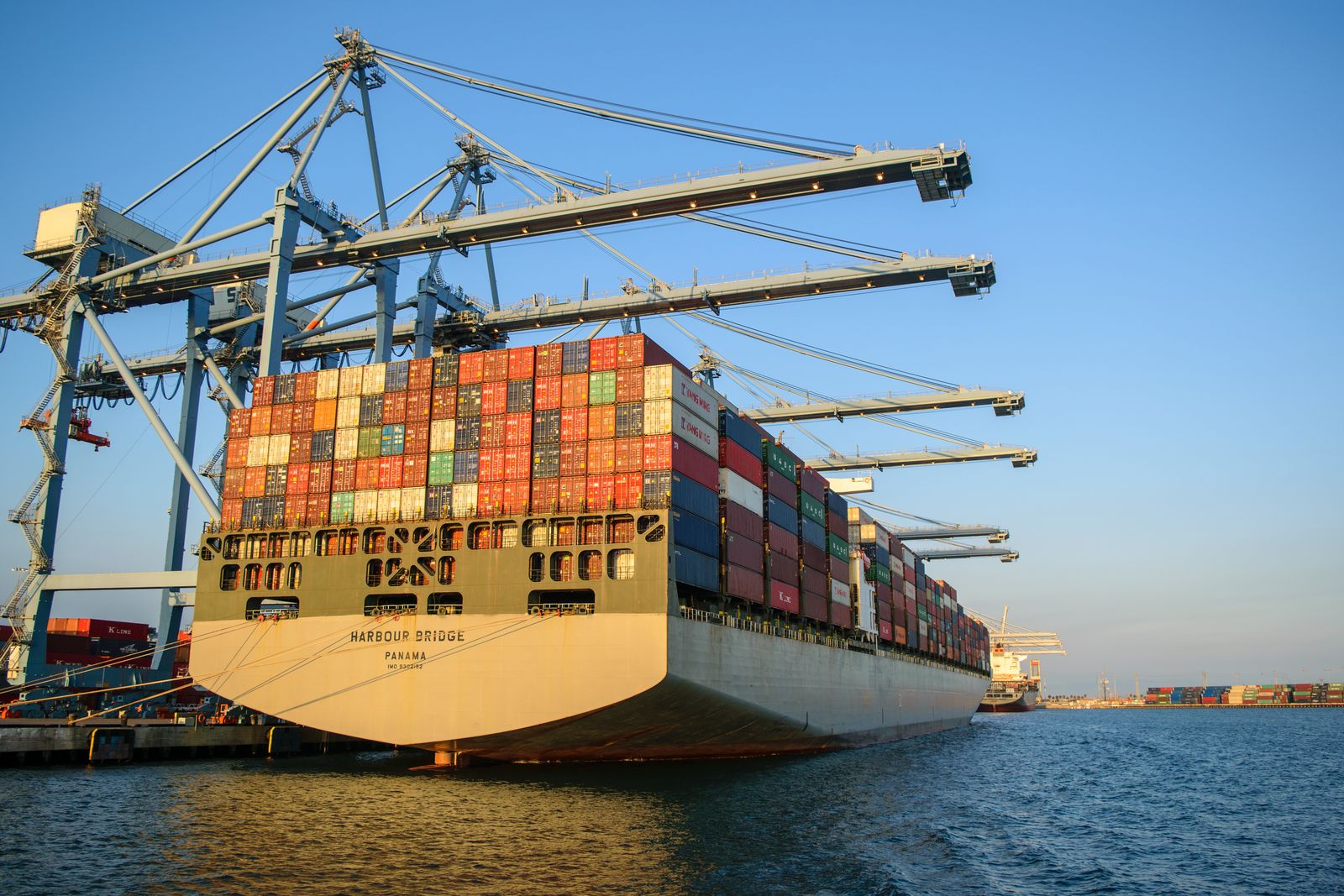
- Trade Restrictions: These can be total, like an embargo prohibiting all trade, or partial, targeting specific products. In Iran's case, for instance, crude oil export loadings dropped more than 80% in August this year compared to August 2025, according to data from trade intelligence firm Kpler, cited by CNBC. This includes a U.S. naval blockade in the Strait of Hormuz, where U.S. Central Command has "redirected 82 commercial vessels" and "disabled 3" to ensure compliance.
- Financial Blockades: The aim here is to cut off the sanctioned country's access to the international financial system. This can mean its banks cannot make transactions in U.S. dollars or that assets of certain individuals or entities are frozen. The U.S. Treasury Department launched a campaign called "Operation Economic Outcast" to sever all of Iran's economic ties worldwide. One of its first moves was to propose cutting off the UAE operations of Egyptian bank Banque Misr from correspondent banking access to U.S. financial institutions over alleged financial ties to Iran, according to CNBC.
- Currency Restrictions: These seek to limit a country's ability to use certain currencies, especially the U.S. dollar, which is the global reserve currency. That's why Iran's Supreme Leader, Mojtaba Khamenei, has urged gradually reducing the U.S. dollar's role and relying more heavily on domestic production, as per CNBC.
The Impact on Daily Life and the Economy
When a country is sanctioned, the consequences are felt on many levels, from large corporations to the pockets of ordinary people. Iranian President Pezeshkian acknowledged that sanctions do have an effect, refuting those who claim otherwise, and lamented the fall in trade, as he explained in an interview with Iranian state TV and reported by CNBC.
Trade slows down, prices of imported goods can rise, and obtaining certain goods or technologies becomes more difficult. This affects industries that rely on foreign components and consumers looking for specific products. The local currency can lose value, making everything more expensive. Lack of access to international markets can also make it harder for companies to export their products, reducing the country's revenue.
Countries' Strategies for Resistance
In the face of sanctions, countries often look for ways to adapt and resist. It's not an easy path, but there are several strategies:
- Fostering Domestic Production: One of the most direct responses is to boost local industry and agriculture to reduce reliance on imports. Supreme Leader Khamenei called for making "Resistance Economy" the central focus, promoting economic growth and increased production, according to CNBC.
- Seeking Alternative Trade Partners: When some doors close, others are sought. Sanctioned countries try to establish new trade routes and agreements with nations not participating in the sanctions.
- De-dollarization and Use of Other Currencies: To reduce vulnerability to the U.S. financial system, some countries seek to trade in other currencies, such as the Chinese yuan or the Russian ruble, or even develop their own payment networks.
- Shadow Economy: Sometimes, informal or "shadow" networks are developed to circumvent restrictions. The U.S. Treasury Department accused Banque Misr UAE of processing $1.8 billion for 103 companies that could be part of Iran's shadow banking network, according to CNBC. Iran's Ministry of Petroleum, for its part, stated that it has enough oil reserves for sale to meet its 2026-2027 budget requirements, transferring $7.5 billion from oil sales to the central bank, which, they claim, allows them to cover foreign currency expenditures, as shared by CNBC.
Why It Matters
Understanding economic sanctions is key in our interconnected world. They are not just distant news; they have a real impact on global trade, supply routes, and international relations. These measures can change the course of economies and the lives of millions of people, redefining alliances and fostering new forms of trade and development.
Script for your video
Runs about 43 secMake short videos? This script sums up the story so you can read it off your teleprompter and record a Reel, a Short, or a TikTok.
Title for your video
Sanctions hit Iran's trade by 35%: How do countries resist?
How to use it
- 1Pick the length — 1 or 2 minutes — and tap “Copy script.”
- 2Paste it into the teleprompter app on your phone, or read it off the screen.
- 3Record vertically and post it to Reels, Shorts, or TikTok.
It's free to use, and you can monetize your video. We only ask that you say where you read it: the script already ends with “The full story is on losupe.com.”
Sources
Topicseconomic sanctionsinternational tradepoliticsIrandollar