Global Conflicts and Your Wallet: Keys to Understanding the Economic Impact
Major international conflicts don't always lead to economic catastrophe, but they do cause significant shifts in markets, energy costs, food prices, and investments. We explain how these impacts manifest and which areas are most affected.
ByPedro Llerena4 min read
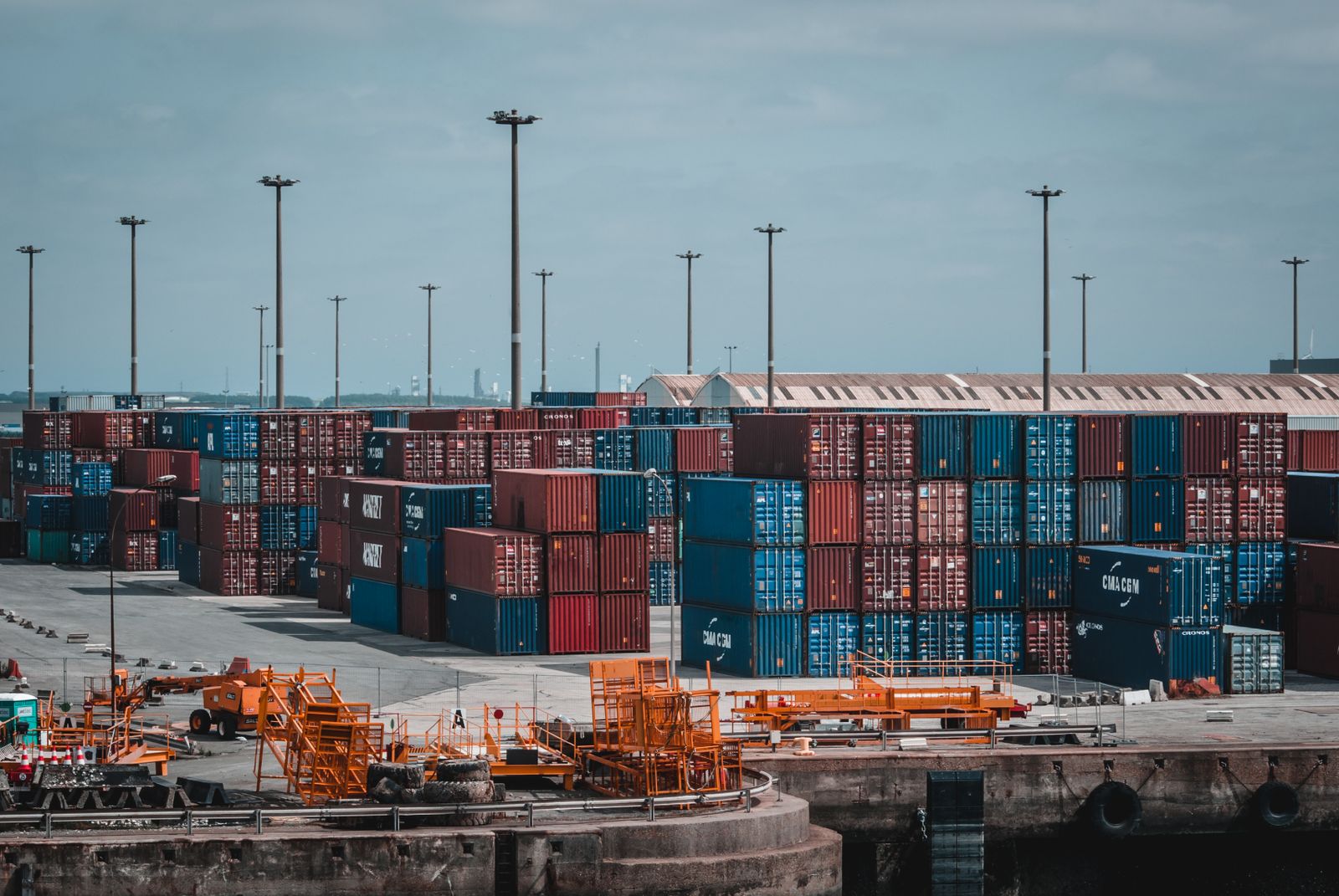
When we talk about global conflicts, it's natural to worry about their impact on our economy. While predictions of worldwide recessions often don't fully materialize, the reality is that these events always leave their mark on key aspects of our financial lives, from what we pay for gas to the cost of groceries.
History shows us that, despite initial fears, the global economy has a surprising ability to adjust. As Michael Ashley Schulman, an investment strategist at Cerity Partners, stated regarding a hypothetical conflict between the US and Iran, the global economy has pulled off the financial equivalent of a ‘Mission Impossible’ scene.
How Financial Markets React
One of the first places where the effects of a global conflict are felt is in stock markets. Imagine Wall Street with its five weeks of losses, the Dow and Nasdaq entering correction, and the S&P 500 recording its worst month since 2022, as happened after the start of attacks in a hypothetical scenario. These declines can be frightening, but it's common to see a recovery after the initial uncertainty.
In the example of the US-Iran conflict, after bottoming out in late March, the Dow Jones advanced nearly 19%, the S&P 500 nearly 22%, and the Nasdaq 27%. This suggests that markets, though volatile at first, seek a new balance. The International Monetary Fund (IMF) even noted in July that while a war can curb growth, other factors, such as enthusiasm for artificial intelligence, can offset some of that impact, according to Yucatán.com.mx.
The Impact on Energy and Transportation
Oil is undoubtedly one of the sectors most sensitive to geopolitical conflicts. If, for instance, the passage of oil tankers through a key point like the Strait of Hormuz is halted, the price of Brent crude can skyrocket. In our conflict scenario, it went from $72 per barrel to nearly $120, and although it later moderated, it remained 20% above the pre-war level, as reported by the same Yucatán.com.mx source. We've previously discussed how fuel prices affect your economy in other articles.
This increase in oil costs doesn't just affect drivers; it also impacts air travel. The International Air Transport Association (IATA) estimated that aviation fuel could cost 70% more than in 2025 in a similar conflict scenario. Airlines typically respond by raising fares, adding surcharges, or adjusting routes, meaning more expensive flights and, in some cases, fewer options. For example, Lufthansa Group cut 20,000 short-haul flights in the same situation.
Food on Your Table and the Push for Clean Energy
Another vital sector feeling the impact is food production. Conflicts can disrupt supply chains and increase the costs of essential inputs, such as fertilizers. In the hypothetical conflict, fertilizer prices rose 44% in April compared to the pre-war period, according to the World Bank index, as reported by Yucatán.com.mx. This can lead to warnings from organizations like the World Food Programme about the risk of millions of people falling into hunger.
But it's not all negative. Sometimes, conflicts also accelerate positive trends. For example, the International Energy Agency (IEA) predicted that, in response to a conflict, electric vehicles could account for 29% of global car sales in 2026, an increase from 25% in 2025. Experts like Scott Lehmann of Sphera noted that at least 26 countries and regions announced measures to boost clean energy and electrification due to the situation.
Who Benefits
While most sectors face challenges, some may see an increase in demand or new opportunities. For instance, in the event of a military conflict, defense and security-related companies often receive significant contracts. The Yucatán.com.mx article mentions how Powerus, a company linked to the Trump family, secured a contract of up to $90 million from the Air Force for drone interceptors. Other firms with stakes held by family members also won defense-related contracts or authorizations. The White House affirmed there were no conflicts of interest.
Why it matters
Understanding how global conflicts affect the economy helps us better prepare. While we can't control international events, we can stay informed about how they impact markets, the cost of living, and opportunities across different sectors. This allows us to make smarter decisions about our personal finances and better comprehend the world around us.
Script for your video
Runs about 42 secMake short videos? This script sums up the story so you can read it off your teleprompter and record a Reel, a Short, or a TikTok.
Title for your video
Global Conflicts: How Do They Affect Your Wallet? Find Out!
How to use it
- 1Pick the length — 1 or 2 minutes — and tap “Copy script.”
- 2Paste it into the teleprompter app on your phone, or read it off the screen.
- 3Record vertically and post it to Reels, Shorts, or TikTok.
It's free to use, and you can monetize your video. We only ask that you say where you read it: the script already ends with “The full story is on losupe.com.”
Sources
Topicsglobal economyconflictmarketsenergyfood



