How Countries Secure International Financial Backing and Why It Matters
Understanding how nations seek and obtain economic support from allies like the U.S. or the IMF is crucial for stability. This guide explores the mechanisms, players, and factors influencing these decisions, and how they affect your economy.
ByAndreea Blidar6 min read
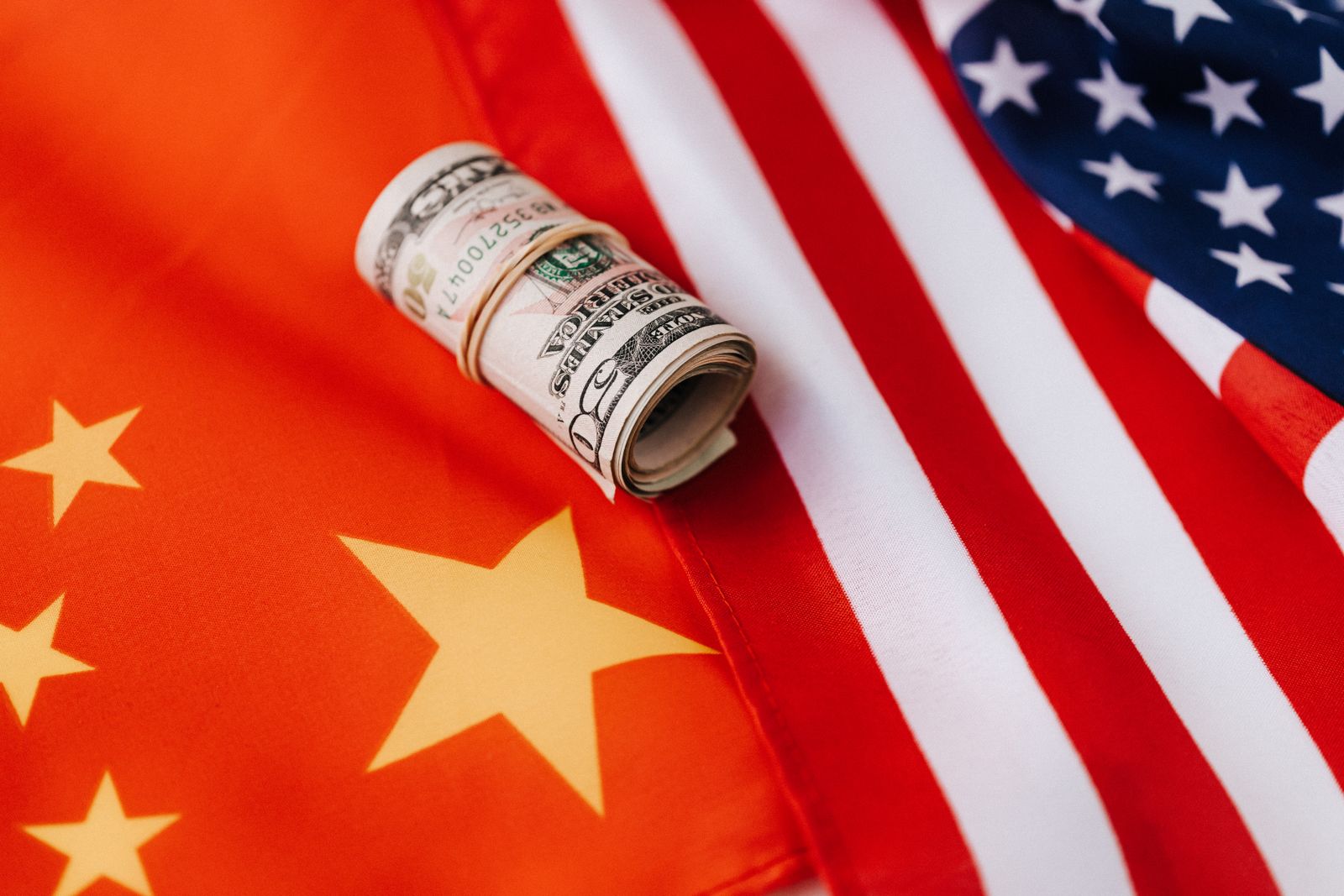
When a country's economy faces uncertain times, such as currency volatility or a need for more dollars in its reserves, it often looks abroad. Seeking international financial support is a common strategy to stabilize the situation and maintain market confidence. Recently, Argentina, for example, has been working to secure backing from the United States at a key moment in its political cycle, aiming to avoid turbulence ahead of the 2027 presidential elections, as reported by El País.
This case helps us better understand how this type of support works: who provides it, under what conditions, and why it's so important for people's daily lives.
Why Do Countries Seek External Financial Support?
Imagine your country needs a lot of dollars to pay for imports, settle debts, or simply to keep its currency from devaluing too quickly. When the Central Bank doesn't have enough foreign currency, the situation can become complicated. People tend to buy dollars to protect their savings, which further pressures the exchange rate and can trigger inflation, directly affecting your purchasing power. Former Argentine Economy Minister Martín Guzmán, now a professor at Columbia University, has pointed out the “significant dependence” economies like Argentina's have on the U.S. in these scenarios, as El País explained. To prevent a collapse, external aid becomes a lifeline.
Key Players in International Financial Aid
There isn't just one "savior" when it comes to global finance. Several organizations and countries play important roles:
- The International Monetary Fund (IMF): This is perhaps the best known. The IMF offers loans to countries with balance of payments problems, but in return, it usually asks for economic reforms. Argentina, in fact, is the world's largest debtor to the organization, which limits its future financing options with this entity, according to Guido Zack, director of Economics at the NGO Fundar, in statements to El País.
- The U.S. Treasury and other countries: Sometimes, support comes directly from an allied country. The United States, for example, has intervened in Argentina's foreign exchange market to support the peso and approved a $20 billion currency swap to contain financial volatility in 2025, according to El País. Other countries, like China, also offer currency swaps, such as the one Argentina renewed for five years in early September 2026.
- Multilateral development banks: Entities like the World Bank or the Inter-American Development Bank also grant loans, generally focused on long-term development projects, although they can have an indirect impact on overall stability.
Support Mechanisms: Beyond Loans
International support isn't limited to a check or a transfer. There are different forms of collaboration:
- Financial rescues and direct loans: These are the most obvious. The IMF approved a $20 billion rescue package for Argentina in April 2025.
- Currency swaps: These allow the central banks of two countries to exchange a quantity of their currencies for a specified period. This gives the recipient country access to strong currencies without having to sell its own assets. The swap between the United States and Argentina is a clear example of this, as is the renewed agreement with China.
- Direct intervention in the foreign exchange market: A country can use its own reserves or those loaned by an ally to sell dollars in the market and thus prevent its currency from devaluing. The U.S. Treasury directly intervened in Argentina's local foreign exchange market to prop up the peso, according to El País.
- Political and diplomatic support: Sometimes, the mere public backing of an influential figure can calm markets. Scott Bessent, the U.S. Treasury Secretary, expressed his support for Argentina's reforms, which is an important signal to investors and analysts.
Factors Influencing the Decision to Help
What makes one country decide to lend a hand to another? It's not just goodwill. Several elements are at play:
- Economic policies of the recipient country: Donors usually want to see a commitment to stability and reforms they consider appropriate. Bessent's support for Argentina was linked to the implemented reforms, according to his own words cited by El País.
- Internal political stability: A country with a solid, predictable government is a better candidate for receiving aid. Political uncertainty can make potential allies hesitate.
- Geopolitical alignment: International relations play a huge role. A country may receive more support if it is seen as a strategic ally. Political affinity between leaders can be a factor, though not the only one.
- Elections in the donor country: Even elections in the country providing aid can change the landscape. U.S. midterm elections, for example, will be decisive for Argentina's financial maneuverability, as noted by economist Emmanuel Alvarez Agis, founding partner of PxQ Consultora and former Deputy Minister of Economy, in El País. This shows how one country's politics can affect another.
What Can a Country Do to Strengthen Itself and Manage Uncertainty?
While external support is valuable, countries also take internal measures to protect themselves:
- Accumulation of reserves: Having a good amount of dollars or euros saved is like having a cushion for difficult times. Argentina, for example, bought around $14 billion in reserves throughout 2026, a figure that exceeded the IMF's annual target, according to El País.
- Diversification of financing sources: Not depending on a single lender or ally. Expanding the Central Bank's external financing tools, as Argentina seeks with a reform to its Organic Charter, is one strategy. So is maintaining agreements with various partners, such as the swap with China.
- Economic reforms: Implementing policies that generate investor confidence and promote long-term stability. This can include, for example, fiscal adjustments that impact your city's services, a topic we explore in our article on local finances.
- Maintaining fluid international relations: Diplomacy is an important economic tool. Minister Caputo, for example, works to maintain good relationships with allies, even defending his government's results at meetings like the G20.
Why it matters
A country's economic stability isn't an abstract matter. It directly translates into the prices you pay, your ability to save, and confidence in the future. Understanding how governments navigate the complex world of international finance and seek support from other countries gives you a clearer perspective on the decisions that affect you. Alliances, internal policies, and even elections in other nations can have a real impact on your wallet and your household economy.
Script for your video
Runs about 45 secMake short videos? This script sums up the story so you can read it off your teleprompter and record a Reel, a Short, or a TikTok.
Title for your video
Argentina seeks US backing: What does it mean for your
How to use it
- 1Pick the length — 1 or 2 minutes — and tap “Copy script.”
- 2Paste it into the teleprompter app on your phone, or read it off the screen.
- 3Record vertically and post it to Reels, Shorts, or TikTok.
It's free to use, and you can monetize your video. We only ask that you say where you read it: the script already ends with “The full story is on losupe.com.”
Sources
Topicseconomyinternational financeIMFUnited StatesArgentinaeconomic policy



