New bill aims to lower retirement age to 60 for some physical jobs
A new proposal in the U.S. Congress would allow workers in physically demanding occupations to retire earlier. The bill, introduced by Representative Haley Stevens, seeks to adjust the full Social Security retirement age.
ByAndreea Blidar4 min read
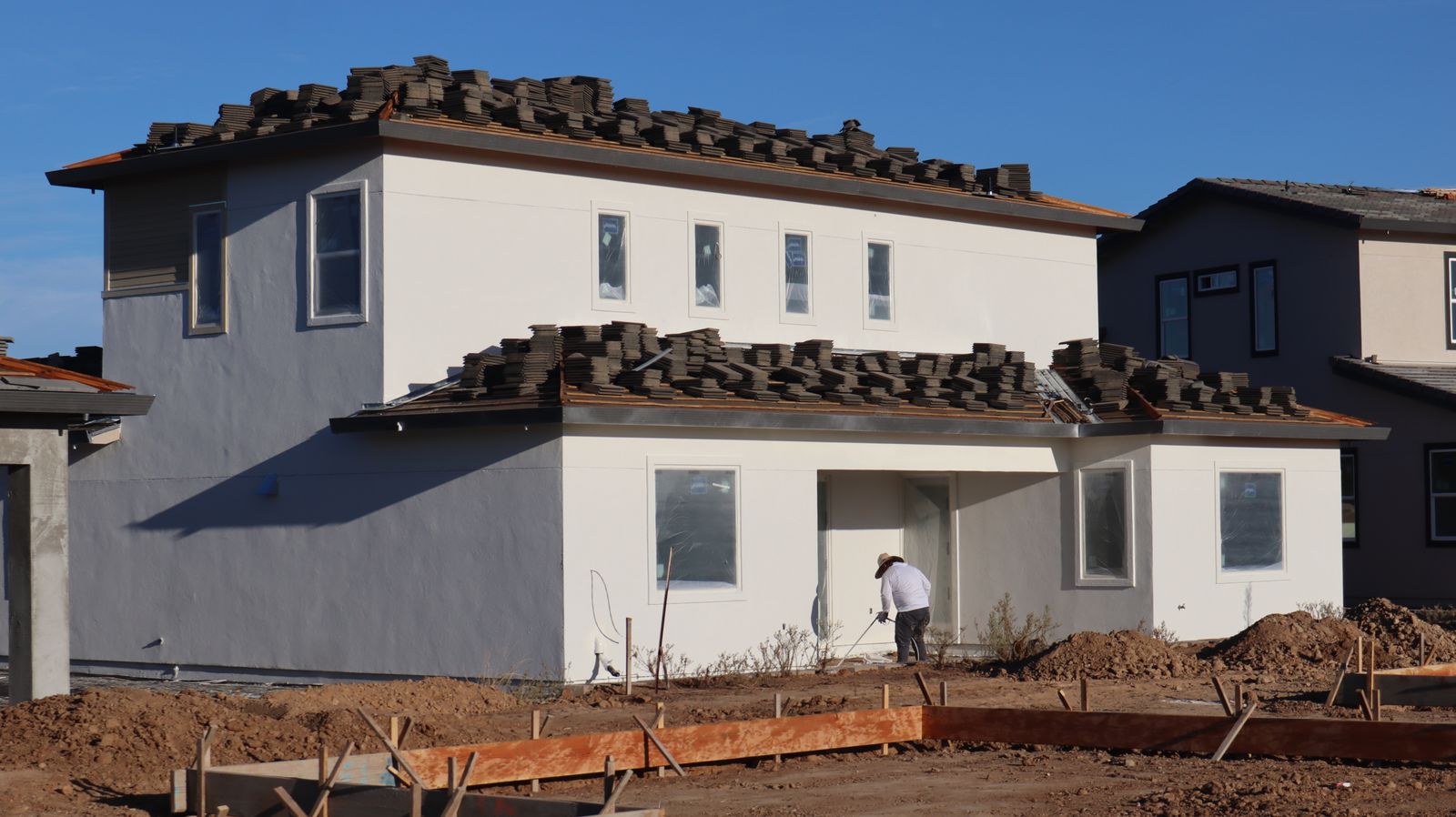
A new bill in the U.S. Congress aims to offer an earlier retirement option for individuals in physically demanding jobs. Representative Haley Stevens, a Democrat from Michigan, introduced the “Blue Collar Social Security Fairness Act.” Its goal is to allow certain workers to receive full Social Security benefits starting at age 60.
Currently, the full Social Security retirement age is 67 for people born in 1960 or later. If someone decides to start receiving benefits earlier, at age 62, their monthly payments are reduced. Conversely, waiting until age 70 can increase benefits by up to 8% for each additional year, according to CNBC.
The Reality of Physical Labor
Representative Stevens' proposal addresses a very specific reality: for many who work in manual labor or highly physically demanding jobs, extending their careers until age 67 is a challenging and often painful task. Their bodies simply cannot maintain the same pace for that long.
Stevens made her stance clear in a statement: “Michiganders who work with their hands shouldn't be forced to wait until their bodies give out to retire.” For her, it's a matter of work dignity. She wants to acknowledge the effort of those who build, care, and manufacture, giving them the opportunity for a more dignified retirement.
A 2022 study from the Schwartz Center for Economic Policy Analysis at The New School, cited by CNBC, already pointed out that individuals in physically demanding jobs risk exiting the workforce earlier than planned, which can seriously impact their financial security in retirement.
Who Would Qualify Under the New Bill?
The bill focuses on professions that require constant physical exertion. Examples mentioned include construction workers, roofers, nurses, and manufacturing operators. The idea is for the Social Security Administration (SSA) to develop a comprehensive list of these occupations, which would be updated every three years.
The Bureau of Labor Statistics (BLS) already defines these jobs as those requiring certain levels and durations of physical exertion, such as climbing, heavy lifting, pushing, pulling, standing, or walking for extended periods. According to the BLS, almost 40% of the U.S. civilian workforce—39.1% to be exact—performs jobs that fall into this category.
The Points System for Early Retirement
One of the most interesting parts of this proposal is how eligibility would be determined. It's not about workers having to spend their entire lives in physically demanding jobs. Instead, the bill outlines a weighted points system that values years worked in these specific occupations:
- For each year worked between ages 18 and 34, individuals would earn 0.5 points.
- Between ages 35 and 44, each year would add 1 point.
- From ages 45 to 54, 1.5 points would accumulate per year.
- And from age 55 until passing away, each year would add 2 points.
To qualify for early retirement benefits at age 60, a worker would need to have accumulated a total of 15 points or, alternatively, have dedicated 20 total years to physically demanding work throughout their career.
Social Security's Future and the Bill's Path
Representative Stevens' proposal comes at an important time for Social Security. The program faces serious financial challenges, with projected depletion dates for its trust funds. To avoid across-the-board benefit cuts, lawmakers will need to make decisions, such as increasing taxes or reducing benefits, or a combination of both.
While some advocate for targeted benefit increases for the most vulnerable, this bill seeks to protect a particular group of workers. However, it remains to be seen whether Stevens' proposal will gain the necessary support to advance in Congress. The discussion about how to ensure a fair and stable retirement for all Americans continues to be a priority in Washington.
Why it matters
This initiative is not just another bill on a long list. It represents an acknowledgment of a large segment of the workforce that literally builds and maintains the country through physical effort. Offering them the possibility of an earlier, fairer retirement could significantly improve their quality of life and financial security, while also advancing the debate on how to protect the future of Social Security for all generations.
Script for your video
Runs about 52 secMake short videos? This script sums up the story so you can read it off your teleprompter and record a Reel, a Short, or a TikTok.
Title for your video
Retire at 60! New bill for physically demanding jobs.
How to use it
- 1Pick the length — 1 or 2 minutes — and tap “Copy script.”
- 2Paste it into the teleprompter app on your phone, or read it off the screen.
- 3Record vertically and post it to Reels, Shorts, or TikTok.
It's free to use, and you can monetize your video. We only ask that you say where you read it: the script already ends with “The full story is on losupe.com.”
Sources
TopicsSocial SecurityRetirementEconomyUnited StatesHaley Stevens



