Record Diesel Prices: How They Hit Your Wallet and Everyday US Economy
Diesel prices in the US have reached a new record, averaging $5.85 per gallon. This surge not only impacts transporters but also raises costs for almost everything you buy, from groceries to clothing, due to diesel's essential role in the supply chain.
ByAndreea Blidar4 min read
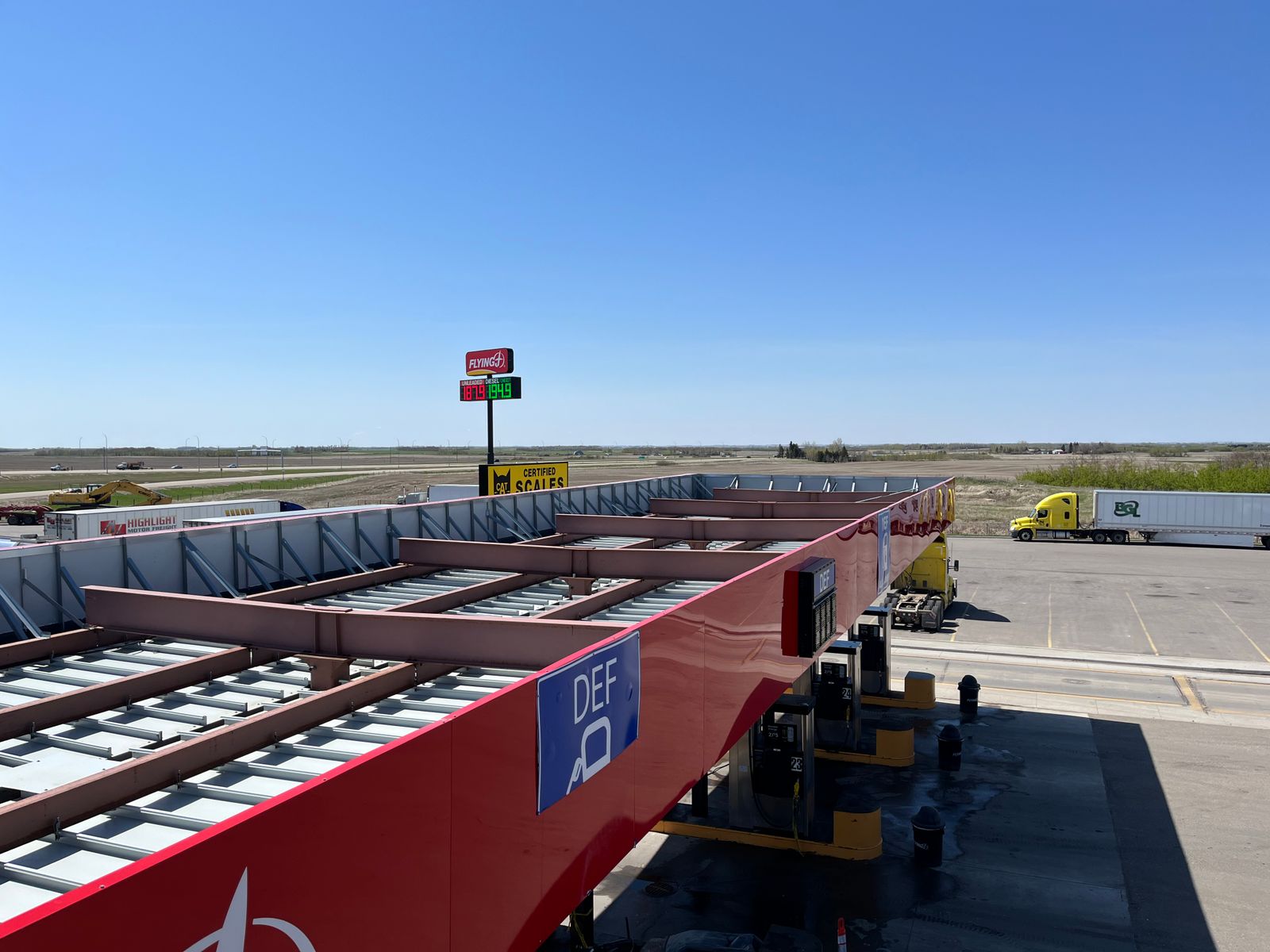
Diesel prices in the United States recently hit an all-time average of $5.85 per gallon, marking a new historical record. This significant increase, driven by geopolitical conflicts and other international tensions, creates a ripple effect that reaches your dinner table and the products you use daily, as Clarín reported.
Before the six-month war with Iran, which began in late February, a gallon of diesel was around $3.76, according to AAA. Understanding why this fuel is so critical and how its price fluctuations affect us is key to navigating today's economy.
Why Is Diesel So Important to the Economy?
Diesel is much more than just fuel for some vehicles. It's the engine of the supply chain in the United States and much of the world. Think of all the trucks that transport goods coast-to-coast, the trains moving heavy cargo, the ships bringing products from other countries, and the agricultural machinery that plants and harvests our food. All of them rely on diesel.
From the moment a fruit is picked in a field until it reaches the grocery store, or when clothes travel from the factory to the shop, diesel is present at every stage of transportation. That's why any variation in its price quickly becomes an additional cost for businesses, which is then reflected in the final price of products.
Factors Behind Rising Diesel Prices
Several elements can cause diesel prices to climb. Here are the most important ones:
- Crude Oil Prices: Diesel is manufactured from crude oil. If crude oil prices rise, so does diesel. Events like production disruptions or global demand can send this cost soaring. For example, Brent crude, an international benchmark, recently exceeded $95 per barrel, compared to $70 before the conflict with Iran, as per Clarín.
- Geopolitical Conflicts: Wars or tensions in oil-producing regions, such as the Middle East, can disrupt supply and increase uncertainty. This translates to higher prices. For instance, the war in Ukraine also led to significant fuel price increases in June 2022, when diesel reached nearly $5.82 per gallon.
- Supply Chain Issues: Congestion in key shipping routes, like the Strait of Hormuz, or distribution difficulties can limit fuel availability and, therefore, increase its price.
- Seasonal Demand: At certain times of the year, such as winter or harvest season, the demand for diesel for heating or agricultural machinery can increase, pushing prices up.
These factors often interact, creating a complex scenario that can lead to unexpected price spikes.
Impact of Economic Sanctions
Economic sanctions can also play a significant role in fuel prices. When world leaders impose sanctions against oil-producing countries, as was done with Russia, global supply is reduced. This, in turn, creates scarcity that pushes prices upward, affecting both diesel and gasoline.
How Do Diesel Prices Affect Your Wallet?
The increase in diesel prices doesn't just impact truckers. As a consumer, you feel it in several ways:
- Groceries: Fruits, vegetables, meats, and other perishable foods need to be transported and restocked constantly. Additionally, the agricultural machinery that produces them uses diesel. If transportation is more expensive, the price at the grocery store goes up.
- Everyday Products: Clothes, cosmetics, furniture, and almost any item you buy have been transported at some point by diesel trucks, trains, or ships. Companies across all sectors, according to Clarín, have already started passing these costs on to consumers, sometimes with additional charges on online orders.
- General Inflation: Higher diesel costs contribute to broader inflation, meaning your money buys less, and prices for a wider range of products increase over time.
Experts point out that these costs may take some time to fully reflect on consumers, but if diesel remains expensive, it's very likely that prices will continue to rise.
What to Expect as a Consumer
In a scenario of high diesel prices, it's reasonable to expect that expenses for goods and services will increase. This doesn't mean all prices will skyrocket immediately, but rather that businesses, to maintain their margins, will eventually adjust prices or apply shipping surcharges.
Staying informed about these economic movements allows you to better understand the origin of price changes and make more conscious decisions about your purchases and budget. While we can't always control fuel prices, understanding their impact helps us prepare.
Why it matters
Diesel prices serve as a barometer for economic health and global tensions. Expensive diesel translates to higher transportation costs, which in turn makes almost everything we use more expensive. Understanding the factors influencing this fuel helps us better grasp how our daily economy works and why certain prices increase, making this information a valuable tool for all of us.
Script for your video
Runs about 41 secMake short videos? This script sums up the story so you can read it off your teleprompter and record a Reel, a Short, or a TikTok.
Title for your video
Diesel at record price in US: Why is everything more
How to use it
- 1Pick the length — 1 or 2 minutes — and tap “Copy script.”
- 2Paste it into the teleprompter app on your phone, or read it off the screen.
- 3Record vertically and post it to Reels, Shorts, or TikTok.
It's free to use, and you can monetize your video. We only ask that you say where you read it: the script already ends with “The full story is on losupe.com.”
Sources
TopicsdieselpriceseconomyUnited Statesinflationtransportationfuel



