Soaring Gas Prices and Mortgage Rates Worry Voters Ahead of Midterm Elections
Six weeks before the midterm elections, the cost of living in the United States continues to rise. Gas prices and mortgage rates have reached high levels, causing concern among voters and political repercussions.
ByAndreea Blidar4 min read
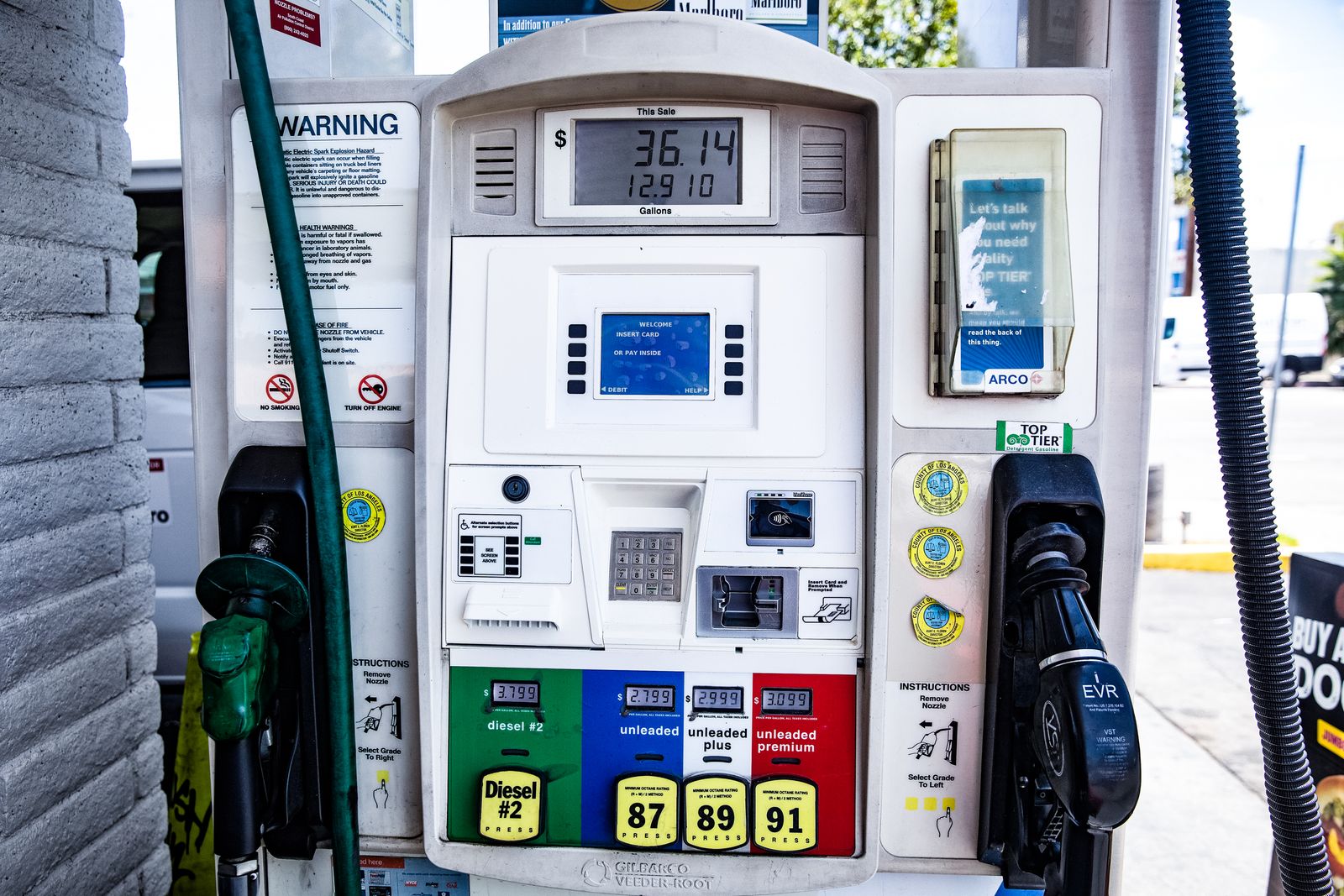
With less than two months until the U.S. midterm elections, the cost of living is a top concern for voters. Gas prices have risen significantly, and mortgage rates are at their highest level in over a year, according to a report from The New York Times. This complex economic landscape is causing unease in households and is emerging as a central theme in the political race.
The national average price for gasoline has reached $4.47 per gallon, a 41% increase compared to last year. Diesel has also hit a record high. This situation directly impacts the wallets of millions of Americans, and for political parties, the economy is the main issue for voters this election.
Voters' Wallets Under Pressure
Concerns about the economy are felt daily. Beyond gasoline, overall inflation has picked up again this year, though not as high as in 2022. This acceleration led the Federal Reserve to raise interest rates last week for the first time in three years, a decision by Fed Chairman Kevin Warsh, handpicked by President Trump.
The consequences of these hikes extend to other financial aspects. Ben Casselman, The New York Times' chief economics correspondent, explains that “every piece of this affordability issue is getting worse rather than getting better.” This means that borrowing money for a car or using a credit card is also more expensive. Even the bond market has been volatile, further pushing mortgage rates higher.
Google searches for “mortgage rates today” have exceeded 20,000 queries, showing public interest in the topic. This increase in borrowing costs and basic goods makes many households feel their money is stretching less, despite other economic indicators.
Mixed Economic Indicators
Although President Trump has highlighted some positive economic data, such as the low unemployment rate and the stock market's strong performance, the reality of the cost of living tells another story. Casselman notes that, broadly speaking, “the economy is not too bad, but the affordability issues that everybody is so worried about have gotten significantly worse.”
- Employment: The current unemployment rate is 4.1%, considered low, meaning most people who want a job have one. However, job growth is slow, and young people face difficulties.
- Wages: Wage growth has been acceptable but has slowed this year and isn't keeping pace with inflation, reducing workers' purchasing power.
- Stock Market: Major stock indexes have set records in recent years, largely driven by investor enthusiasm for everything related to Artificial Intelligence (AI). This benefits investors but not necessarily the average citizen.
- Consumer Spending: Americans are spending big, partly due to stock market gains. However, with rising prices, many people are stretching more to keep up their spending.
These data show a split picture: some sectors of the economy appear strong, while others, especially those affecting daily family life, are weakening.
The Shadow of Artificial Intelligence
A factor adding uncertainty to the economy is the rise of Artificial Intelligence. AI investment has been a significant driver but also raises questions about the future of employment and economic stability. Casselman summarizes the situation this way: “If AI succeeds, then it may kill all of our jobs. If it fails, then the whole economy falls apart, and your 401(k) blows up, and maybe you still lose your job.”
This dual nature of AI means many people are not super enthusiastic about the state of things, despite the stock market records driven by this technology.
Why it matters
The current economic situation, with rising gas prices and mortgage rates, is not just a financial issue but also a political one. It directly affects how voters feel about their future and the country's direction. In a key election year, the perception of affordability can tip the scales, making economic issues decisive for the outcome of the midterm elections.
Script for your video
Runs about 41 secMake short videos? This script sums up the story so you can read it off your teleprompter and record a Reel, a Short, or a TikTok.
Title for your video
Soaring Gas & Mortgages: Your Wallet at Risk This Election!
How to use it
- 1Pick the length — 1 or 2 minutes — and tap “Copy script.”
- 2Paste it into the teleprompter app on your phone, or read it off the screen.
- 3Record vertically and post it to Reels, Shorts, or TikTok.
It's free to use, and you can monetize your video. We only ask that you say where you read it: the script already ends with “The full story is on losupe.com.”
Sources
TopicsEconomyElectionsInflationPricesMortgageGasoline



