United States Sanctions 27 Iranian Airlines and 36 Entities to Increase Financial Pressure
The U.S. Treasury has imposed new sanctions affecting 27 Iranian airlines and a total of 36 entities. This move aims to intensify economic pressure on Tehran amid rising tensions and oil prices.
ByPedro Llerena4 min read
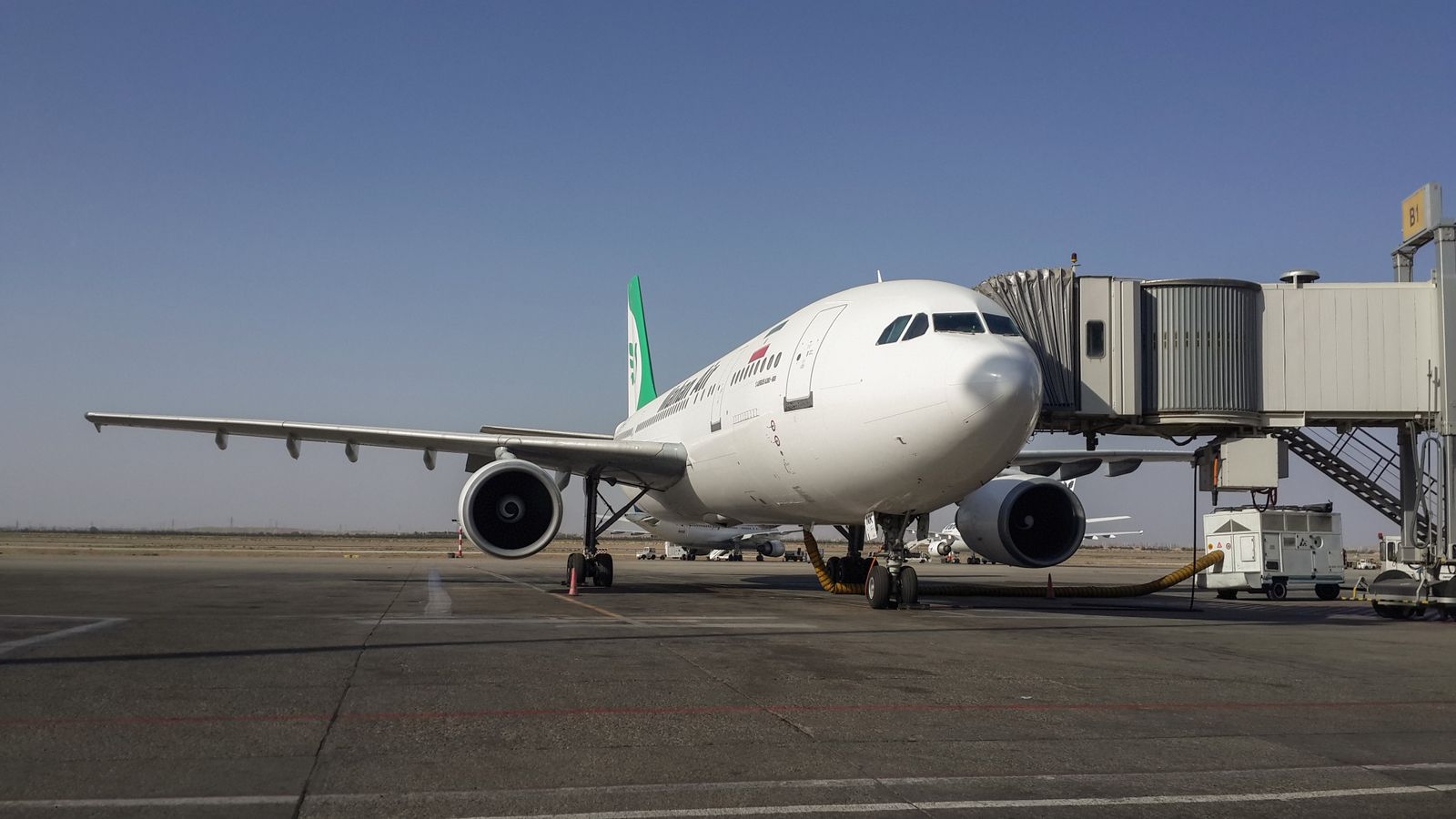
The United States government, through its Treasury Department, announced new sanctions affecting 27 Iranian airlines and 36 other entities. This action is part of a broader campaign to increase financial pressure on the Tehran regime, especially as oil prices are rising due to Middle East tensions, as reported by Infobae.
A Direct Blow to Iran's Aviation Sector
The sanctions specifically target Iran's aviation sector. The 27 airlines now facing restrictions were, until this announcement, the last ones operating without significant limitations. By blacklisting them, the United States aims to further restrict Iran's ability to conduct commercial activities and generate revenue through its air routes.
Among the 36 sanctioned entities are not only the airlines themselves but also companies and individuals that provided goods, services, or support to the Iranian air sector. This could include anything from supplying spare parts and maintenance to financing or facilitating flights. The goal is to dismantle the support network that allows these airlines to continue operating, making it difficult for them to acquire essential components, access insurance, or even make stops and refuel at international airports.
This measure affects not only passenger operations but also impacts logistics and cargo transport, which are important components of the Iranian economy. The intention is clear: to hinder the regime's ability to fund its operations and programs, including those that raise international concerns, such as missile development or support for armed groups in the region.
The Maximum Pressure Strategy
Washington has long implemented a "maximum pressure" strategy against Iran. The goal is to compel Tehran to change certain policies, particularly regarding its nuclear program and regional influence. Economic sanctions are a central tool in this strategy. By limiting Iran's access to global markets and financial resources, the United States hopes to diminish its capacity for action.
This approach is not new. Historically, the United States has used sanctions as a foreign policy tool to influence the behavior of other states. In Iran's case, sanctions have evolved, targeting different sectors of its economy, from oil and gas to banking, and now, aviation. By almost completely shutting down the operational avenues for Iranian airlines, the U.S. seeks to increase the country's economic and political isolation.
These types of sanctions directly affect companies and individuals, freezing their assets in U.S. jurisdictions and prohibiting U.S. citizens and companies from conducting transactions with them. In practice, this isolates sanctioned entities from the international financial system, making their operations and ability to trade with the rest of the world extremely difficult.
Middle East Tensions and Oil Prices
The announcement of these sanctions comes at a delicate time in the Middle East. Geopolitical tensions in the region have caused an increase in oil prices. In fact, Brent crude recently surpassed $100 per barrel, a situation we explained in this article. This increase in oil revenue could, in theory, alleviate some of the economic pressure on Iran, making the new sanctions a response to counteract any benefit the regime might gain from this situation.
The interconnectedness between sanction policy and the global energy market is undeniable. Washington's decisions not only aim to impact Iran but also consider how they might influence regional stability and international markets. The escalation of tensions in the region, partly fueled by the conflict between the United States and Iran, is a constant factor closely monitored by analysts and governments worldwide, including actors like Qatar, who seek comprehensive regional dialogue for a lasting solution, as we reported in another of our articles.
Why it matters
The new U.S. sanctions against Iran's aviation sector represent another step in the campaign to financially suffocate Tehran. By targeting the last airlines operating without restrictions and their suppliers, Washington aims to further tighten the economic noose. This measure comes at a time of heightened tensions in the Middle East and rising oil prices, underscoring the complexity of the situation and the United States' determination to maintain pressure on the Iranian regime, with direct implications for the Iranian economy and regional stability.
Script for your video
Runs about 50 secMake short videos? This script sums up the story so you can read it off your teleprompter and record a Reel, a Short, or a TikTok.
Title for your video
US Sanctions 27 Iranian Airlines: Maximum Pressure!
How to use it
- 1Pick the length — 1 or 2 minutes — and tap “Copy script.”
- 2Paste it into the teleprompter app on your phone, or read it off the screen.
- 3Record vertically and post it to Reels, Shorts, or TikTok.
It's free to use, and you can monetize your video. We only ask that you say where you read it: the script already ends with “The full story is on losupe.com.”
Sources
TopicsUnited StatesIranSanctionsEconomyAviationMiddle East



