3 Early Internet Facts Few People Remember
The dawn of the internet was a time of rapid adaptation and discovery. Beyond the well-known milestones, surprising facts shaped the global network, from the integration of digital journalism to the first privacy laws.
ByPedro Llerena5 min read
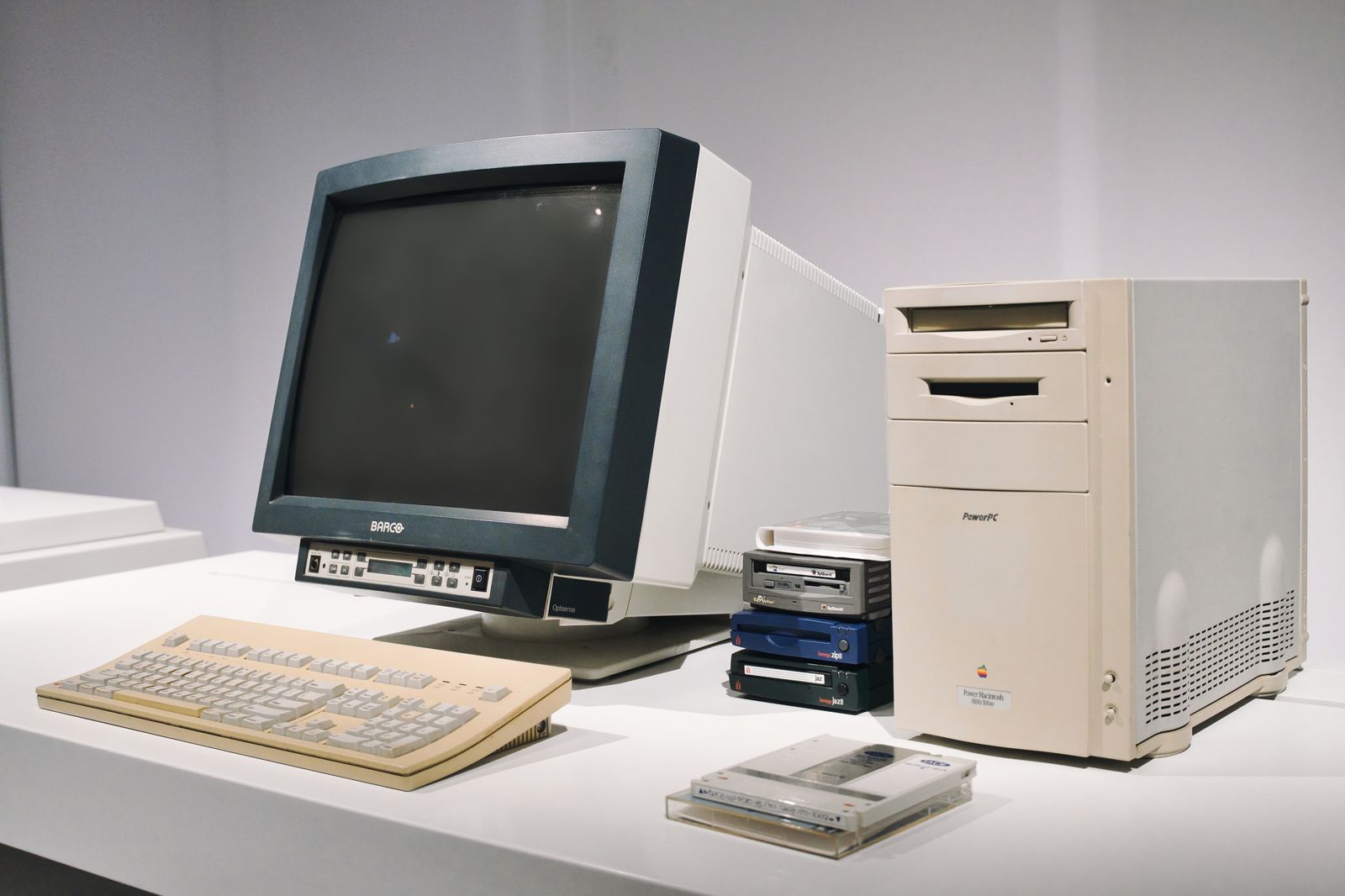
The early years of the internet were a time of constant discovery, a kind of digital wild west where everything seemed possible and the rules were just beginning to be written. For many of us, it's hard to imagine what life was like before instant connectivity, search engines, and social media. But did you know that some concepts we now take for granted were already present or emerging in those early days?
Beyond the well-known stories about the birth of the web or the first emails, there are curiosities that show us how quickly society and technology adapted. Today, we're going to explore three of these surprising facts that help us better understand the foundations of the global network we use daily. We guarantee that, while not the most publicized facts, they'll give you a new perspective on what the internet's beginning truly meant.
Journalism Officially Went Digital in 1994
When we think about the internet today, it's hard to imagine a world without instant news. But did you know that the formal integration of the internet into the world of journalism is more recent than it seems? While the internet existed before, 1994 is considered a pivotal year for its role as a communication medium.
According to Wikipedia, a comparative study on the history of journalism identifies the "contemporary or industrial" stage ending in the last quarter of the 20th century, followed by "the one derived from the appearance of the Internet, in 1994." This shows us that, even though the web was already around, it was at this point that it truly solidified as a fundamental new channel for disseminating information. Suddenly, news wasn't just arriving via paper, radio, or television; it was beginning to find its own home in cyberspace. It was a paradigm shift for how we consume information, opening the door to everything we know today.
This milestone is fascinating because it reminds us how quickly technology can change our way of life. In the blink of an eye, the way stories were told and consumed took an unexpected turn, laying the groundwork for what we now call "digital journalism." If you're curious to see how the stage was set for this, you can read our article on 7 curiosities about the evolution of news before the digital age, which will help you better understand the context.
Early Data Privacy Laws Emerged Almost with the Public Web
Often, discussions about personal data protection focus on modern regulations like the GDPR. However, concerns about our private online information are not new. In fact, just a few years after the internet began to become more publicly accessible, efforts were already underway to regulate how our data was handled.
The European Union's Directive 95/46/EC, enacted on October 24, 1995, is a clear example. This regulation focused on the protection of individuals with regard to the processing of personal data. Think about it: in 1995, most people were just discovering what "email" was or the very first websites, and laws were already being drafted to ensure our digital footprints were protected. This demonstrates a forward-thinking approach to the challenges global connectivity would bring.
It's interesting to see how European lawmakers, even in those early days, understood the importance of setting boundaries and responsibilities. They didn't wait for the explosion of data to become unmanageable before acting. This directive was the foundation upon which future, broader, and stricter regulations would be built, such as the aforementioned General Data Protection Regulation (GDPR) of 2016, which became applicable in 2018 and is now a model for similar laws worldwide, from Chile to Japan. It teaches us that the conversation about online privacy is as old as the commercial web itself.
The Internet Is Just the Latest Chapter in a Long History of News
Sometimes, we feel like the internet invented the immediacy of information, but the truth is that the quest and desire to know what's happening is a human constant. The internet wasn't the beginning, but a natural evolution of how we've shared stories for centuries.
The history of journalism tells this story well. Before printed newspapers appeared in the late 17th century, handwritten reports circulated in European courts, and "avvisi" in Germany and Italy sold reports to merchants and feudal lords. The invention of the printing press in the 15th century allowed for mass dissemination. Then came radio in the 20th century and television, further changing the speed and reach of news. The internet, which began to serve as a medium for dissemination in 1994, simply accelerated and globalized this process like never before.
It's a fascinating reminder that while technology changes, the essence of what we seek does not. We want to know, we want to understand, and we want to share. The internet gave us a powerful tool to do so almost instantly, a huge leap from the first newspapers in Cologne in the 16th century. If you want to know more about other surprising beginnings of the web, don't miss our article on 6 surprising facts about the early internet that few people know.
Why It Matters
Remembering these early days of the internet isn't just an exercise in nostalgia. It allows us to appreciate the speed with which technology integrates into our lives and how, from the very beginning, important challenges like data privacy were anticipated. It teaches us that great revolutions don't arise out of nowhere, but from a series of steps, decisions, and adaptations that, though they may seem small at the time, set the course for our connected future.
Script for your video
Runs about 48 secMake short videos? This script sums up the story so you can read it off your teleprompter and record a Reel, a Short, or a TikTok.
Title for your video
Internet: 3 Surprising Early Facts You Probably Forgot
How to use it
- 1Pick the length — 1 or 2 minutes — and tap “Copy script.”
- 2Paste it into the teleprompter app on your phone, or read it off the screen.
- 3Record vertically and post it to Reels, Shorts, or TikTok.
It's free to use, and you can monetize your video. We only ask that you say where you read it: the script already ends with “The full story is on losupe.com.”
Sources
Topicsinternethistorytechnologydigital journalismdata privacy