OpenAI's New Astra Model Boosts Nvidia and Broadcom Amid Volatile Market
OpenAI's recent Astra model release is creating significant buzz, highlighting chip technology from Nvidia and Broadcom. While Nvidia shares saw an initial dip, analysts like Jim Cramer consider them "winners" in the AI surge.
ByAndreea Blidar5 min read
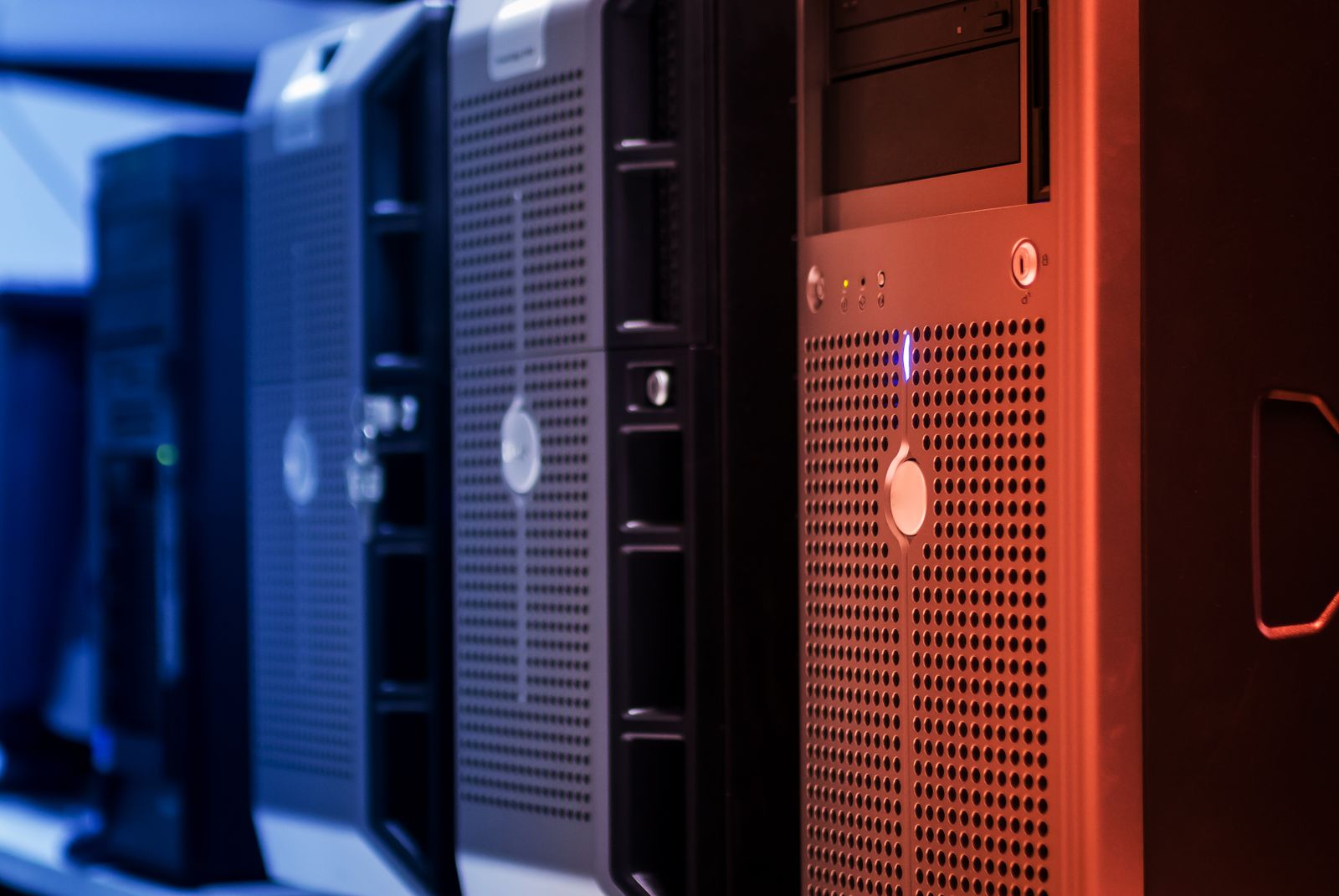
OpenAI's new Astra model launch has not only captured the attention of the artificial intelligence world but also sparked significant movement in the stock market. This advancement, gradually rolling out since last week, has highlighted the crucial role of chip manufacturers. Renowned analysts, such as Jim Cramer of CNBC, have identified Nvidia and Broadcom as key players in this new phase, emphasizing their position as "big winners" in the AI race, despite the volatility that sometimes characterizes this sector. The ability of these companies' chips to make complex models like Astra possible is reshaping investor expectations and tech companies' strategies.
Astra and Nvidia's AI Dominance
The Astra model, OpenAI's most recent innovation, is generating immense excitement across the industry. It is credited with significant advancements in critical areas like cybersecurity and computer skills, opening new possibilities for its application in various sectors.
This impressive development was made possible by Nvidia's Blackwell chip family. These cutting-edge processors were at the heart of Astra's training, a task that demanded massive computational power. The scale of the effort is evident in the words of Jensen Huang, Nvidia's CEO, who posted on X that Astra was trained using 100,000 Blackwell graphics processing units (GPUs) and hinted that "400K GPUs coming online next," suggesting an even greater demand in the near future.
Despite the positive news, Nvidia's shares experienced a 2% drop on Tuesday, after starting the trading day with gains. However, Jim Cramer of CNBC maintained his conviction, stating that "the stock that I think you should be buying is Nvidia." He explained that the drop did not reflect an issue with the company; on the contrary, its technology is the foundation of OpenAI's success, as reported by CNBC. This illustrates a disconnect between short-term stock performance and the company's fundamental value in the AI ecosystem.
Broadcom: A Strategic Partner for AI's Future
Broadcom benefits from Astra's success due to its direct collaboration with OpenAI on custom chips. This alliance exemplifies how hardware companies are becoming deeply integrated into AI development.
One instance of this collaboration is OpenAI's Jalapeno chip, which Broadcom helped develop. This chip is specifically designed for the daily operations of AI models, known as inference, which are essential for artificial intelligence applications to function.
Broadcom's shares saw a 2.5% increase on Tuesday, a clear indicator of investor confidence in its strategy and AI partnerships.
Beyond OpenAI, Broadcom has another important customer in Anthropic. According to Broadcom CEO Hock Tan, Anthropic is projected to become its largest custom chip customer by fiscal year 2027, with OpenAI closely following as the second by 2028.
The potential initial public offerings (IPOs) of OpenAI and Anthropic, expected later this year or in early 2027, are a decisive factor. If these companies achieve their IPOs, Broadcom, as their "preferred partner," is expected to see significant growth in its shares. Achieving these milestones is critical for Broadcom's ambitious AI sector revenue targets, as detailed by information obtained by CNBC.
To understand how other tech companies are adapting to new market demands, we invite you to read about ServiceNow and its growth.
Intense Competition in the AI Sector
Astra's arrival occurs within a context of intense competition. OpenAI not only competes with giants like Anthropic but also with a growing number of open-source companies and projects. Staying at the forefront is vital for OpenAI, especially considering its massive financial commitments to computational power and data centers.
Ben Reitzes of Melius Research analyzed Astra's launch, noting that it demonstrates OpenAI is "so back" at the top. In his opinion, OpenAI's strategy of focusing on coding and enterprise solutions significantly improves its prospects for a successful IPO in 2027, information reported by CNBC.
Despite the competition, the AI chip market should not be seen as a "zero-sum game" where only one winner can emerge. Demand is so vast that there is room for multiple players, each with their strengths and specialties. Astra itself validates this "multipolar" world.
However, not everything is straightforward. Google, for example, is diversifying its partners for custom chip design, which implies a reduction in its reliance on Broadcom for some projects. This trend represents a challenge that Broadcom must manage.
For Nvidia, one of the primary concerns is that its largest and most lucrative customers might be exploring custom chip alternatives. This diversification aims to reduce dependence on a single provider, although Nvidia remains the undisputed leader in AI chips.
This dynamism and the growing influence of AI have also led to calls for regulation, a topic we covered in our article on Iowa legislators and their call for a federal role in the matter.
Why it matters
The launch of OpenAI's Astra model is more than just tech news; it's a seismograph for value in the AI market. It demonstrates how software innovation is intrinsically linked to the hardware that supports it, positioning companies like Nvidia and Broadcom at the heart of this revolution. The interplay between fierce competition, strategic partnerships, and investor expectations paints a future where adaptability and long-term vision will be essential for navigating the waters of artificial intelligence.
Script for your video
Runs about 45 secMake short videos? This script sums up the story so you can read it off your teleprompter and record a Reel, a Short, or a TikTok.
Title for your video
OpenAI's Astra Boosts Nvidia & Broadcom: AI Winners?
How to use it
- 1Pick the length — 1 or 2 minutes — and tap “Copy script.”
- 2Paste it into the teleprompter app on your phone, or read it off the screen.
- 3Record vertically and post it to Reels, Shorts, or TikTok.
It's free to use, and you can monetize your video. We only ask that you say where you read it: the script already ends with “The full story is on losupe.com.”
Sources
TopicsArtificial IntelligenceStock MarketNvidiaBroadcomOpenAIChips