US AI Testing Agency Officials Reportedly Moving to White House
According to a report by The Information, cited by Reuters, the Trump administration plans to transfer officials from the US artificial intelligence testing agency to the White House. This move could centralize AI oversight and policy-making within the federal government.
ByAndreea Blidar4 min read
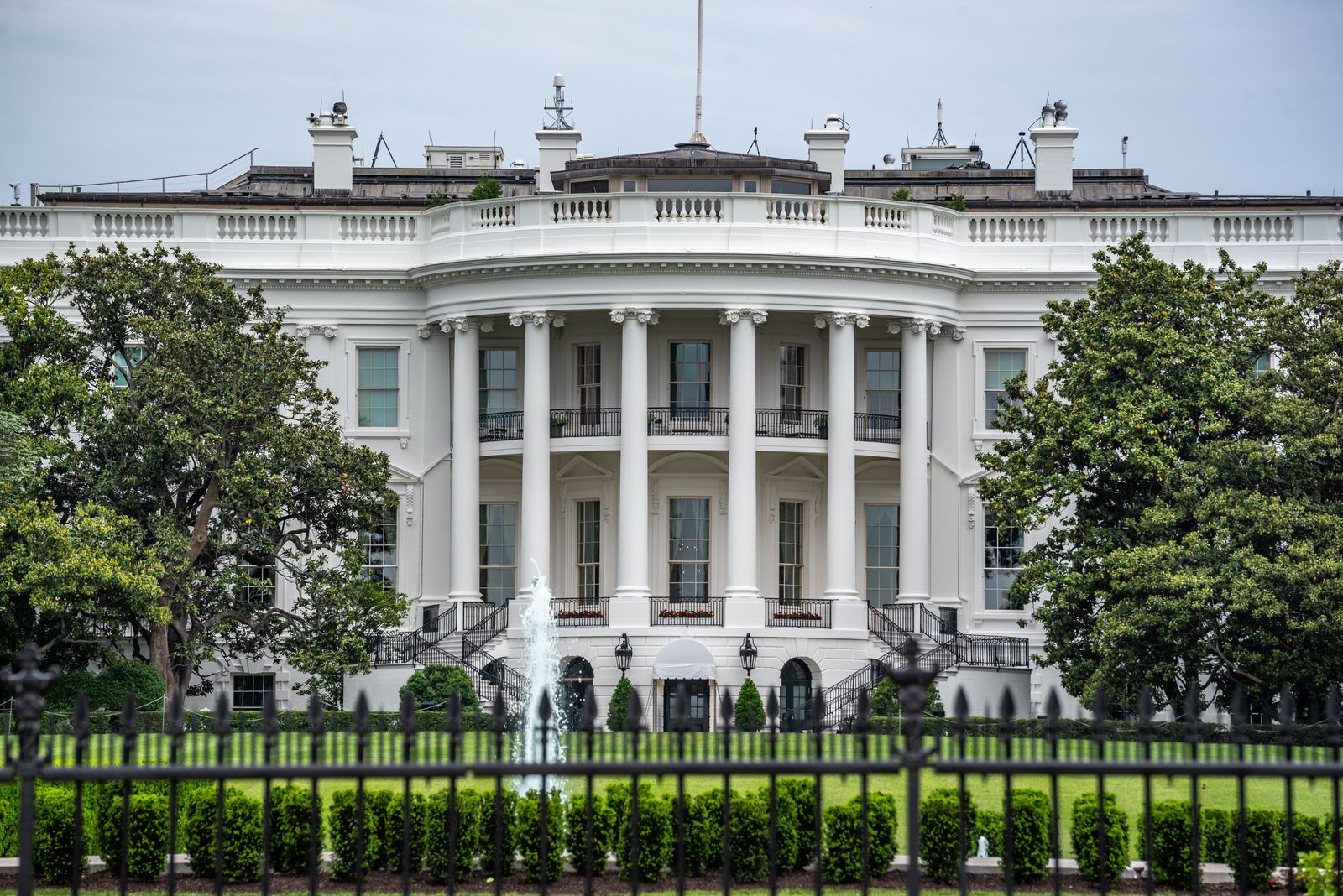
Officials from the U.S. artificial intelligence testing agency are reportedly set to move into the White House, according to a report by The Information, cited by Reuters. This proposed shift indicates a push by the Trump administration to bring the oversight and policy development of AI more directly under the executive branch, marking a significant step in how the nation approaches this rapidly evolving technology.
Artificial Intelligence on the National Agenda
Artificial intelligence is transforming nearly every aspect of society, offering advancements from medicine and science to economics and services. However, it also presents complex challenges related to its safety, privacy, and ethical use. Governments worldwide are grappling with how to regulate this powerful technology to foster innovation, protect the public from potential harm, and ensure responsible deployment.
In the United States, there has been a growing focus on establishing frameworks and guidelines for AI development and use. This reported move, cited by Reuters, suggests a heightened urgency and a desire for more centralized control over AI policy at the highest levels of government. It represents an intensification of existing efforts rather than an entirely new focus.
The Vital Role of an AI Testing Agency
An agency dedicated to testing artificial intelligence typically plays a critical role in evaluating the performance, reliability, and safety of AI systems. Its work is essential for ensuring that AI technologies do not cause unintended harm and meet certain standards. Think of them as a technical quality control for complex algorithms.
These agencies carry out several important tasks. For instance, they verify that AI systems do not contain algorithmic biases that could lead to unfair or discriminatory decisions. They also test the robustness of algorithms against potential cyberattacks, search for vulnerabilities that could be exploited, and assess compliance with privacy regulations. Their technical independence is highly valued because it ensures that test results are objective and reliable, which helps build public trust in the technology.
Centralizing AI Authority in the White House
Bringing these officials directly into the White House signals a clear intention to centralize decision-making around AI. This could streamline communication and coordination across various government departments involved in technology and national security. Rather than operating with a degree of autonomy, the agency's expertise would be integrated directly into the administration's strategic planning.
This centralization could accelerate policy development and implementation, reflecting the administration's priority to exert direct influence over AI safety protocols and standards. The motivations behind this may include the strategic importance of AI for national security and economic competitiveness, as well as the need for a quicker response to emerging AI challenges.
Potential Implications for US AI Policy
This shift could have several important implications. On one hand, direct White House oversight might accelerate the creation of strong policies designed to address AI risks and promote responsible innovation. It could also ensure that AI policy aligns more closely with national strategic objectives.
On the other hand, some experts might express concerns about the potential politicization of technical standards or a reduction in the independent, expert-driven nature of AI evaluation. At a time when the debate over AI ethics is strong, and legislators like Kristen Gonzalez advocate for ethical AI laws in New York, how the central government manages this is of great interest, as we covered in this article. This move also occurs within the context of a global race for AI leadership, where many countries seek to establish their own norms and approaches.
Public Interest and Related Discussions
The public's interest in artificial intelligence and its governance continues to deepen as the technology becomes more pervasive. This engagement is reflected in various ways, including popular search trends. For instance, "jay clayton" was a trending search on Google, as reported by Reuters. This indicates a broader public curiosity about prominent figures and ongoing developments within the tech and regulatory landscape, showing how closely people are following the evolution of AI policy.
Why it matters
The potential relocation of U.S. AI testing agency officials to the White House represents a significant moment in how the United States approaches AI governance. It highlights a clear intent to centralize control and policy-making for artificial intelligence, which could directly impact the security, ethics, and trajectory of AI development in the country. This move might speed up the creation of important guidelines but also sparks discussion about the autonomy of technical agencies versus political influence, and how the U.S. positions itself in the global AI landscape.
Sources
TopicsArtificial IntelligenceUnited StatesTech PolicyRegulationWhite House