Google Launches $180 Fitbit Edge Tracker, Replacing the Charge 6
Google has unveiled the Fitbit Edge, a new $180 activity tracker set to replace the Fitbit Charge 6. This launch marks another step in the company's continuous push into the health and wellness sector.
ByAndreea Blidar5 min read
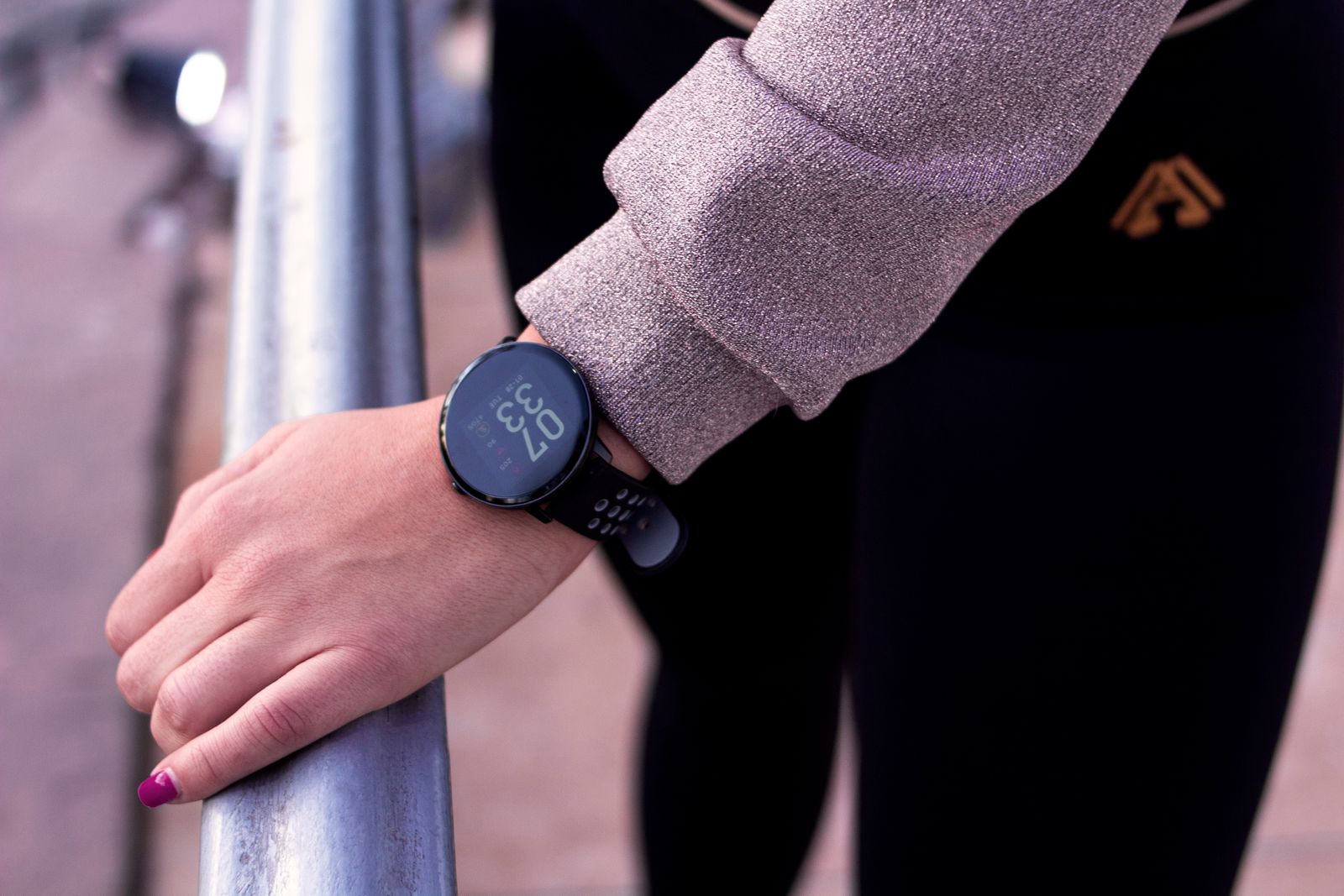
Google continues to strengthen its presence in the health market with the launch of the Fitbit Edge. This new activity tracker, priced at $180, is a direct replacement for the popular Fitbit Charge 6. The news, reported by Bloomberg.com, confirms the company's ongoing commitment to offering tools for personal well-being, a direction it has maintained for some time and which has become a key part of its product strategy.
This launch isn't a surprise. For some time now, Google's strategy has been clear: to establish a strong foothold in the health and fitness sector. The acquisition of Fitbit in 2021 was a significant signal of this intent, bringing with it an established brand cherished by many users looking to monitor their physical activity, sleep quality, and overall wellness. With Fitbit under its umbrella, Google has been able to better integrate hardware and software, aiming for a more fluid and complete user experience.
A Successor to a Popular Model and Expected Features
The Fitbit Charge 6 was one of the brand's most beloved models. It became popular for its good balance of features, price, and everyday comfort. It offered step tracking, distance, calories burned, continuous heart rate monitoring, sleep tracking, and even contactless payments. Now, the Fitbit Edge arrives to update that offering. Although Bloomberg.com does not detail the specific features of the new device, its price point and its role as a replacement for such a specific model suggest it will maintain and likely improve upon Fitbit's tradition of monitoring physical activity, sleep, and heart health.
It is very likely that the Edge will include more precise sensors, longer battery life, and perhaps new software features that utilize artificial intelligence to provide personalized recommendations. Users of these devices typically look for clear data on their sleep patterns, stress levels, and the effectiveness of their workouts. The success of the Edge will depend on how it integrates these expectations with Google's technological innovations.
Google's Bet on Wellness: Beyond Devices
The debut of the Fitbit Edge is part of what Bloomberg.com describes as "Google's continued health push." This goes beyond just selling devices. Google has been investing in other related areas, such as its Google Health platform, which aims to unify and make health data more accessible, and integrating this data into its broader suite of services. The company aims to be an integral part of how people manage their well-being, from searching for reliable medical information to monitoring their vital signs and daily habits.
Imagine how the Edge connects with your Android phone, allowing you to view detailed statistics in the Fitbit app, or how it syncs with Google Maps to plan optimized exercise routes. It can even work with Google Assistant to receive activity reminders or to log your water intake. It's a long-term vision where technology supports users in every aspect of their healthy lifestyle, offering an ecosystem of support that extends beyond the simple device itself.
A Competitive and Evolving Market with Growing Expectations
The health wearable sector is one of the most dynamic and competitive in technology. Manufacturers like Apple, with its Apple Watch, Samsung, with its Galaxy Watch line, and Garmin, known for its advanced sports devices, offer their own alternatives, each with different approaches and price points. In this setting, Google, through Fitbit, faces the challenge of standing out and differentiating itself. The brand has built its reputation on ease of use and the accuracy of its measurements, points it will likely seek to reinforce with the Edge, while also integrating Google's software capabilities.
Constant innovation in sensors, such as blood oxygen or ECG, battery life, which is a decisive factor for many users, and the accuracy of algorithms for interpreting health data are key aspects to attract and retain consumers. With each new launch, user expectations grow higher, seeking not just a monitor, but a true health assistant. Google is trying to meet these expectations by balancing cost and functionality, targeting a broad audience that values accessibility and usefulness.
Why it matters
The launch of the Fitbit Edge is a clear sign that Google is not content to fall behind in the highly competitive and growing health device market. By updating its product line with a successor to the popular Charge 6, the company aims to maintain its relevance and provide users with updated tools for managing their well-being more effectively. For consumers, it means a new, advanced option to monitor their health with the backing of a recognized brand and the benefit of deep integration with the Google ecosystem. This move not only solidifies Google's position but also drives innovation across the entire health wearables sector.
Script for your video
Runs about 50 secMake short videos? This script sums up the story so you can read it off your teleprompter and record a Reel, a Short, or a TikTok.
Title for your video
Google's Fitbit Edge is here: Charge 6 out for $180!
How to use it
- 1Pick the length — 1 or 2 minutes — and tap “Copy script.”
- 2Paste it into the teleprompter app on your phone, or read it off the screen.
- 3Record vertically and post it to Reels, Shorts, or TikTok.
It's free to use, and you can monetize your video. We only ask that you say where you read it: the script already ends with “The full story is on losupe.com.”
Sources
TopicsGoogleFitbitTechnologyHealthWearablesDevices