Google May Restrict Search Access for Schools Rejecting AI
A report indicates that Google will condition access to its popular search engine for educational institutions that do not adopt artificial intelligence. This move highlights the company's interest in integrating AI into education, posing challenges and opportunities for schools.
ByAndreea Blidar3 min read
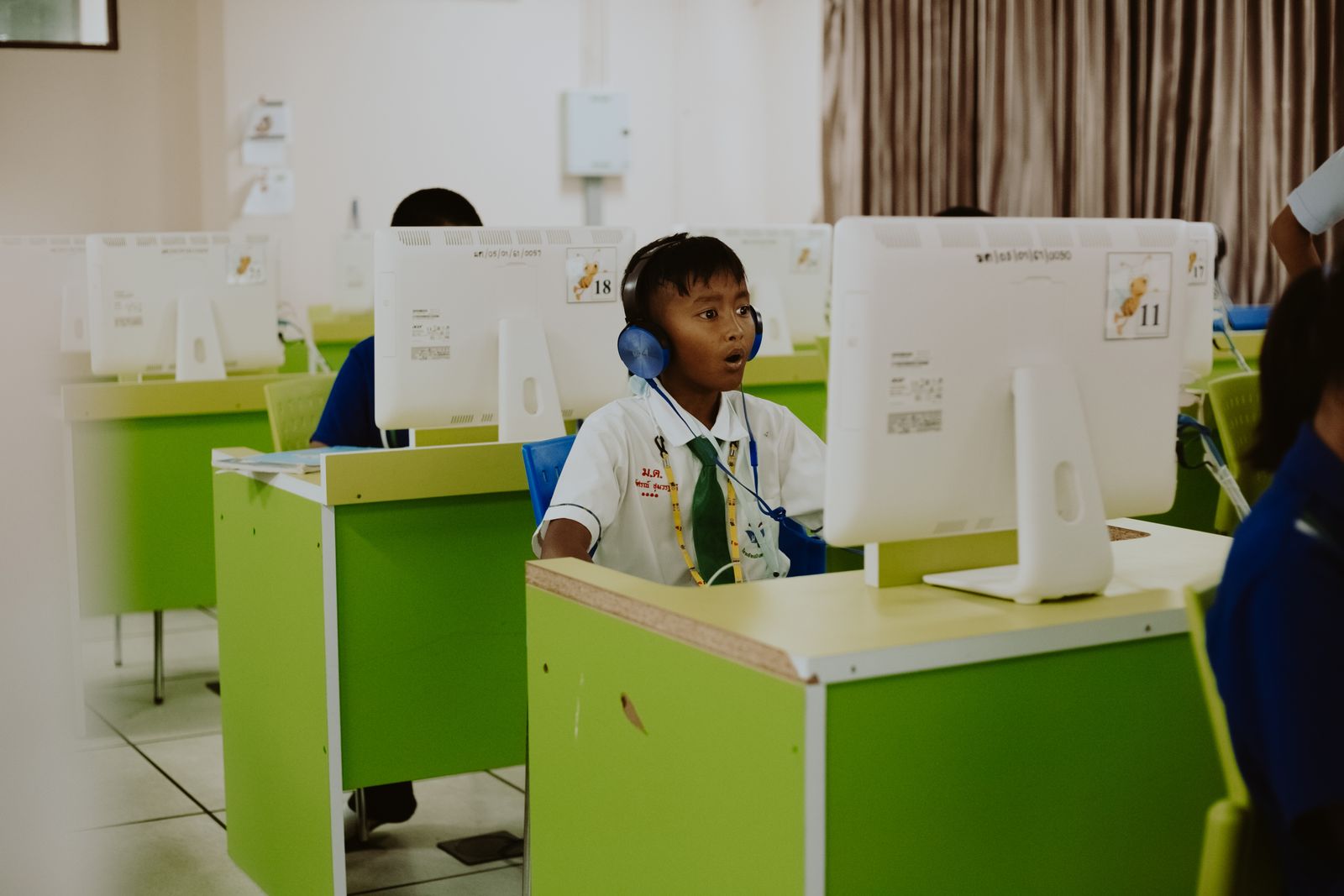
Google, the tech giant, might start conditioning access to its search engine for schools that choose not to integrate artificial intelligence into their educational programs. This was reported by Telemundo Nebraska, pointing to a potential strategy by the company to push for the adoption of these new technologies in the education sector.
The news, while brief, opens up an important debate about the autonomy of schools to choose their tools and the influence of large tech companies in education. Google has been actively promoting its AI tools, such as Gemini, across various sectors, and education is no exception.
The Push for AI in Classrooms
Artificial intelligence has strongly entered discussions about the future of education. Many see it as a tool with the potential to personalize learning, automate administrative tasks, and offer innovative teaching resources. However, concerns also exist regarding data privacy, equity in access to technology, and potential over-reliance on these tools.
Google's stance, according to the report, suggests that the company views AI not just as an option, but as an increasingly essential component of the modern educational environment. This could mean that schools not adopting AI might face limited access to key search engine features, or even other Google services that are fundamental to the daily operation of many institutions.
What Does "Conditioning Access" Mean?
The term "conditioning access" can have several interpretations. It could imply that schools rejecting AI will not have access to the latest updates or advanced features of the search engine. It might also mean that certain AI-powered educational tools integrated with Google Workspace or Google Classroom would not be available to them. In the strictest, though initially less likely, scenario, it could even restrict basic access to the search engine, forcing institutions to seek alternatives.
This potential measure comes at a time when AI regulation is at the center of debate, with several tech companies facing scrutiny. As we reported in this article, fear of increased regulation has already led to market movements for companies in the sector.
Reactions and Next Steps
While the Telemundo Nebraska report is the first clear indication of this strategy, the educational community and policymakers are likely to react to this possibility. Schools, especially those with limited resources or strict policies on technology use, could face difficult decisions.
It will be important to observe how Google formally communicates this policy, if it does, and how drastic the conditions are. Transparency about the benefits and risks of AI in classrooms will be key for institutions to make informed decisions.
Why it matters
This news shows the growing pressure from big tech companies for their artificial intelligence tools to be adopted in all areas, including education. If confirmed, Google's decision would affect countless schools that rely on its search engine daily, forcing them to evaluate their stance on AI. This could accelerate the integration of artificial intelligence into curricula, but it would also raise important questions about educational autonomy and technological equity.
Script for your video
Runs about 46 secMake short videos? This script sums up the story so you can read it off your teleprompter and record a Reel, a Short, or a TikTok.
Title for your video
Google to Limit Search for Schools Rejecting AI? Shocking!
How to use it
- 1Pick the length — 1 or 2 minutes — and tap “Copy script.”
- 2Paste it into the teleprompter app on your phone, or read it off the screen.
- 3Record vertically and post it to Reels, Shorts, or TikTok.
It's free to use, and you can monetize your video. We only ask that you say where you read it: the script already ends with “The full story is on losupe.com.”
Sources
TopicsGoogleAIEducationTechnologySearch EngineSchools