30 Years Ago, Argentina Launched Víctor-1: 7 Fascinating Facts About the Country's Pioneer Satellite
On August 29, 1996, Argentina made history by launching μSAT-1 Víctor, the first satellite entirely conceived, designed, and built in the country. This groundbreaking project, turning 30 this year, showcased Argentina's scientific and technological capabilities.
ByAndreea Blidar4 min read
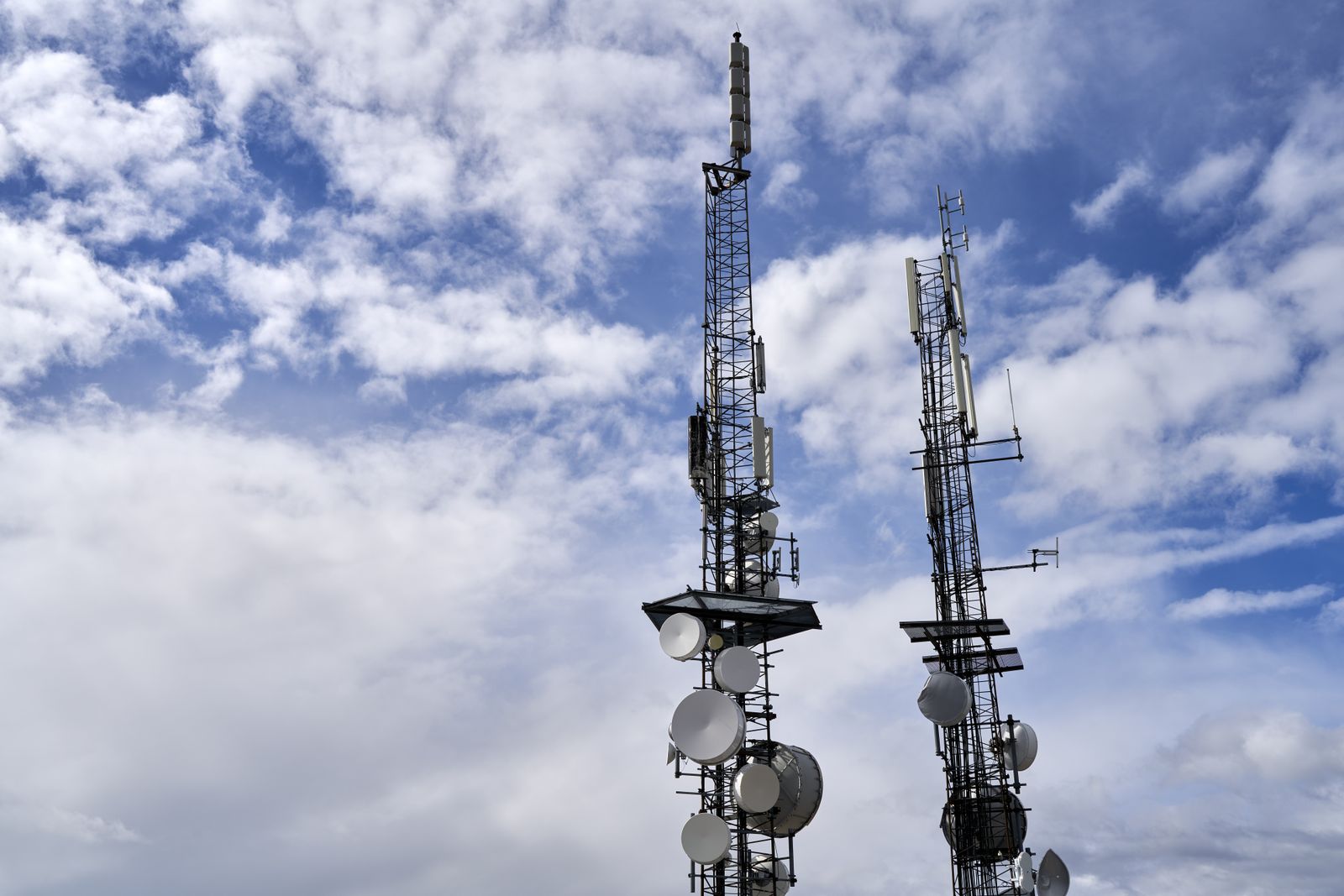
On August 29, 1996, Argentina took a giant leap into space with the launch of the μSAT-1 Víctor. This small satellite, which celebrates its thirtieth anniversary this year, was much more than an experiment: it was the first spacecraft “conceived, designed, qualified, and integrated” entirely within the country. It represented a tremendous achievement for national science and technology, opening doors to a new era of homegrown space development. Let's commemorate this anniversary by recalling some fascinating facts about this pioneering project.
A "Made in Argentina" Satellite from Start to Finish
When we talk about Víctor-1, the first thing that surprises us is its origin. This wasn't a satellite assembled with foreign-bought parts; it was a project conceived entirely in Argentina. According to Wikipedia's information on Víctor-1, it was the first artificial satellite “conceived, designed, qualified, and integrated” in the country. This means that from the initial idea to its construction and final testing, the entire process was carried out by Argentine scientists and engineers, marking true technological independence in the space sector.
A Flying Laboratory for Learning and Growth
Víctor-1's mission wasn't to capture spectacular photos for news or predict the weather. Its primary objective was much more fundamental: to serve as a “technology demonstrator” and an educational platform. The same Wikipedia source explains that it carried two cameras to capture images of Earth, a VHF beacon, and transceivers for telemetry and telecommand. This allowed the Argentine team to test systems in the harsh space environment and gain invaluable knowledge for future projects, training the next generations of experts.
A Name Honoring an Engineer
Behind every great project are people, and Víctor-1 has a very particular human story. The satellite was christened “Víctor” once it was already in orbit, as a moving tribute to engineer Víctor Aruani. He was a key member of the development team who sadly passed away before the project was completed, as detailed in its Wikipedia entry. This gesture reminds us of the collective effort and the lives dedicated to the space adventure.
The University as a Hub for Space Innovation
Contrary to what one might think, Víctor-1 wasn't born in a large space agency, but rather at the Center for Applied Research (CIA) of the Aeronautical University Institute (IUA) in Córdoba. This detail, documented in Wikipedia, is highly significant. It highlights the role of Argentine academic institutions at the forefront of technology and how a university could be the driving force behind such a complex project. The ability to innovate and foster talent from within academia was, without a doubt, a pillar of its success.
The Argentine Air Force: From Sky to Space
The Argentine Air Force (FAA) played a fundamental role in this milestone, though perhaps not in the most obvious way. The Aeronautical University Institute (IUA), home to the Víctor-1 project, has historical ties to the FAA. In fact, the Víctor-1 Wikipedia page categorizes it as being linked to the “Dirección General de Investigación y Desarrollo (fuerza aérea de Argentina)” (General Directorate of Research and Development of the Argentine Air Force). This project reflected the Air Force's strategic vision, established since its creation in 1945, according to its own Wikipedia page, which has promoted the country's aeronautical and technological development, laying the groundwork for Argentina to look beyond the atmosphere.
Launched from Russia, an International Journey
Although Víctor-1's core was entirely Argentine, its journey to the stars required international collaboration. The satellite was launched on August 29, 1996, from the Plesetsk Cosmodrome in Russia, using a Molniya-M rocket, as explained in its Wikipedia entry. This alliance with the Russian space agency was essential for the Argentine dream of having its own satellite to come true, demonstrating the importance of global cooperation in high-tech projects.
Remote Software Updates in 1996: Advanced Capabilities
By the standards of technology thirty years ago, one of Víctor-1's most advanced features was its ability to “remotely update the computer's software once in orbit,” according to the Wikipedia entry. Imagine being able to change or improve a satellite's program while it's already circling Earth—something we take for granted in our devices today. This feature not only extended the satellite's operational life but also provided a valuable lesson in flexibility and remote control for space missions. This was truly innovative for its time, much like the early experiments with remote connection we discussed in our article on the early days of the internet.
Why it matters
The μSAT-1 Víctor was much more than an experimental satellite; it was a symbol of an Argentina that believed in its scientific and technological capabilities. Thirty years later, its legacy is felt in every aerospace engineer trained and in every satellite project the country has undertaken since. It's a reminder that investment in science and education can propel a nation towards the future, demonstrating that with ingenuity and collaboration, the sky is not the limit.
Script for your video
Runs about 50 secMake short videos? This script sums up the story so you can read it off your teleprompter and record a Reel, a Short, or a TikTok.
Title for your video
Argentina's Victor-1: 30 Years of Space Pioneering
How to use it
- 1Pick the length — 1 or 2 minutes — and tap “Copy script.”
- 2Paste it into the teleprompter app on your phone, or read it off the screen.
- 3Record vertically and post it to Reels, Shorts, or TikTok.
It's free to use, and you can monetize your video. We only ask that you say where you read it: the script already ends with “The full story is on losupe.com.”
Sources
TopicsArgentinasatellitesspacetechnologyinnovationscience