30 Years Ago: Direct Satellite TV System SKY is Created in Mexico
July 25, 1996, marked the launch of SKY Mexico, a company that transformed satellite television. On its 30th anniversary, we look back at 7 fascinating facts that defined its journey, from its founding by media giants to its recent merger with izzi.
ByAndreea Blidar5 min read
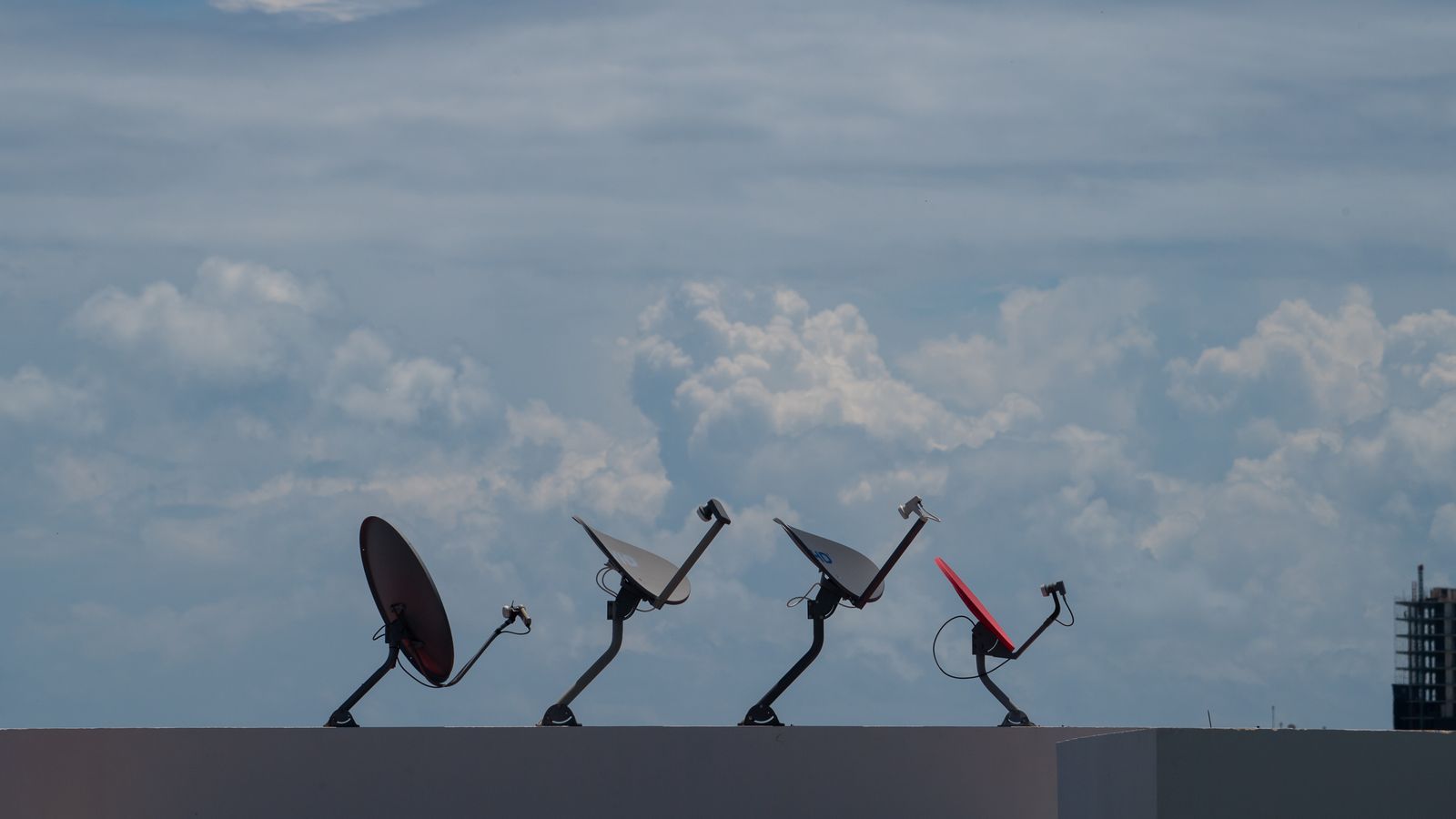
Introduction
It was July 25, 1996, when an ambitious idea took shape in Mexico: a satellite television system that would change how many families enjoyed entertainment. As we mark 30 years since that milestone, it's a good time to look back at some fascinating facts about SKY Mexico, a company that has not only grown but also adapted to the constant shifts in the telecommunications world.
Born with the Backing of Giants
On July 25, 1996, SKY Mexico was founded as a joint venture involving media giants: Grupo Televisa, Rupert Murdoch's News Corporation, Liberty Media, DirecTV, and even BSkyB (the British version of Sky). This powerful alliance, formed in Mexico City, sent a clear signal about the project's grand ambitions.
From the very beginning, this combination of forces brought together some of the most influential names in television and entertainment at the time. They merged capital, technology, and market knowledge to bring satellite signals to many homes across Mexico, Central America, the Dominican Republic, and Panama, as explained in the company's history on Wikipedia.
The Unexpected Twist with DirecTV
Competition in the pay-TV world has always been fierce. In 2002, SKY Mexico found itself in a difficult spot, losing the rights to broadcast the FIFA World Cup. This happened because DirecTV, then a competitor, had secured an exclusive contract for the event in Mexico, leaving SKY without one of its biggest draws.
However, the story took an unexpected turn. Two years later, in 2004, DirecTV ended its operations in Mexico, declaring bankruptcy. They faced issues like a limited channel offering—especially the lack of Televisa's free-to-air channels—and losing future World Cup rights. DirecTV then merged with SKY, which not only acquired its rival's customer base but also gained exclusive rights to all future World Cups. This move greatly strengthened SKY's market position, as detailed in its history.
Its Own Satellite in Space
In 2015, SKY Mexico took a monumental step that few pay-TV companies in the region can claim: it launched its own satellite, Sky Mexico 1. Positioned at 78°G, this satellite gave the company significantly more control over its infrastructure and service quality.
Owning a satellite represented a massive investment but also brought great independence. Thanks to this move, SKY could enhance its offerings, particularly high-definition (HD) programming, and further expand its coverage. This provided a significant technological edge, allowing it to deliver a more reliable and solid experience to its users, as Wikipedia reports.
Beyond Mexico: Regional Expansion
Although the company was founded in Mexico, its ambitions quickly crossed borders. In mid-2007, The DirecTV Group Inc., through SKY Mexico, began a significant expansion into other Latin American markets. SKY's signal reached Central America, the Dominican Republic, and Panama, bringing not only international programming but also Mexican free-to-air television channels.
This strategy showcased the company's vision to become a major player across the entire region. Adapting its offerings to each country while maintaining a wide variety of content was crucial for attracting subscribers and establishing its presence in these international markets, as stated in the company's profile.
From TV to Internet: The Digital Evolution
Over time, SKY Mexico realized that the entertainment world was evolving beyond traditional television. So, it began to explore new digital avenues. In April 2012, the company started offering internet services under the Blue-to-Go brand, utilizing Cablevisión's fiber optic network. A year later, in 2013, it launched Blue-to-Go Video Everywhere, a TV Everywhere service that allowed content viewing across different screens.
The innovation didn't stop there. In 2018, SKY introduced Blue Telecomm, an internet service provider promising national coverage with packages combining TV and internet. This was made possible through an alliance with AT&T, allowing them to use its 4G LTE network. While the service was billed alongside television and had data limits, it marked SKY's entry into the broadband internet market, demonstrating its ability to adapt to the changing telecommunications landscape, according to available information. You can read more about how the internet evolved in this article.
Televisa's Full Control and Merger with izzi
SKY Mexico's story took a new turn in 2024. On April 4, it was announced that Grupo Televisa had acquired AT&T Mexico's stake in the company, thus consolidating its full control over SKY, effective June 10 of that year. This operation was not merely a change of ownership but the beginning of a larger transformation.
Grupo Televisa, already one of SKY's founders, revealed plans to merge SKY with its other telecommunications company, izzi. This integration gradually became visible, including exclusive Sky Sports events in izzi's programming, such as Euro 2024. By August 15, 2024, these sports channels were officially added to izzi's offerings, marking a key step in unifying both platforms, as reported by the encyclopedia.
The Power of Sky Sports: Sport as a Flagship
From its very beginning, sports content has been one of SKY Mexico's strongest pillars. Under the Sky Sports brand, the company created a group of exclusive channels entirely dedicated to broadcasting top-tier sporting events. This includes European, Mexican, and global football leagues, as well as other popular sports like the NBA, MLB, NFL, and LMP.
This strategy of offering exclusive content has been crucial for attracting and retaining a large subscriber base, especially sports fans. Sky Sports not only broadcasts important matches but has also offered pay-per-view events, establishing itself as a go-to source for viewing games from the world's best leagues—a vital aspect of its identity, according to company information. This focus on major events is reminiscent of how television has always sought exclusivity, as we told you in this article about Star Trek.
Why it matters
SKY Mexico's journey over these three decades is a clear example of how a company can emerge from an ambitious alliance and constantly evolve. From being a pioneer in satellite television to integrating internet services and adapting to the streaming era, SKY has proven to be a key player in the region's telecommunications. Its trajectory shows a continuous pursuit of new ways to connect and entertain people, a story still being written with its recent merger and the consolidation of its offerings.
Script for your video
Runs about 52 secMake short videos? This script sums up the story so you can read it off your teleprompter and record a Reel, a Short, or a TikTok.
Title for your video
SKY Mexico turns 30! From media giants to izzi merger.
How to use it
- 1Pick the length — 1 or 2 minutes — and tap “Copy script.”
- 2Paste it into the teleprompter app on your phone, or read it off the screen.
- 3Record vertically and post it to Reels, Shorts, or TikTok.
It's free to use, and you can monetize your video. We only ask that you say where you read it: the script already ends with “The full story is on losupe.com.”
Sources
TopicsSKY Mexicosatellite TVGrupo Televisatelecommunicationshistorymedia