Artificial Intelligence Cannot Learn to Live, According to an Opinión 51 Article
A recent article in Opinión 51 raises a fundamental question: can artificial intelligence, with all its learning and processing power, truly 'learn to live'? The text suggests there's an intrinsic limit to what AI can grasp beyond data and algorithms.
ByAndreea Blidar3 min read
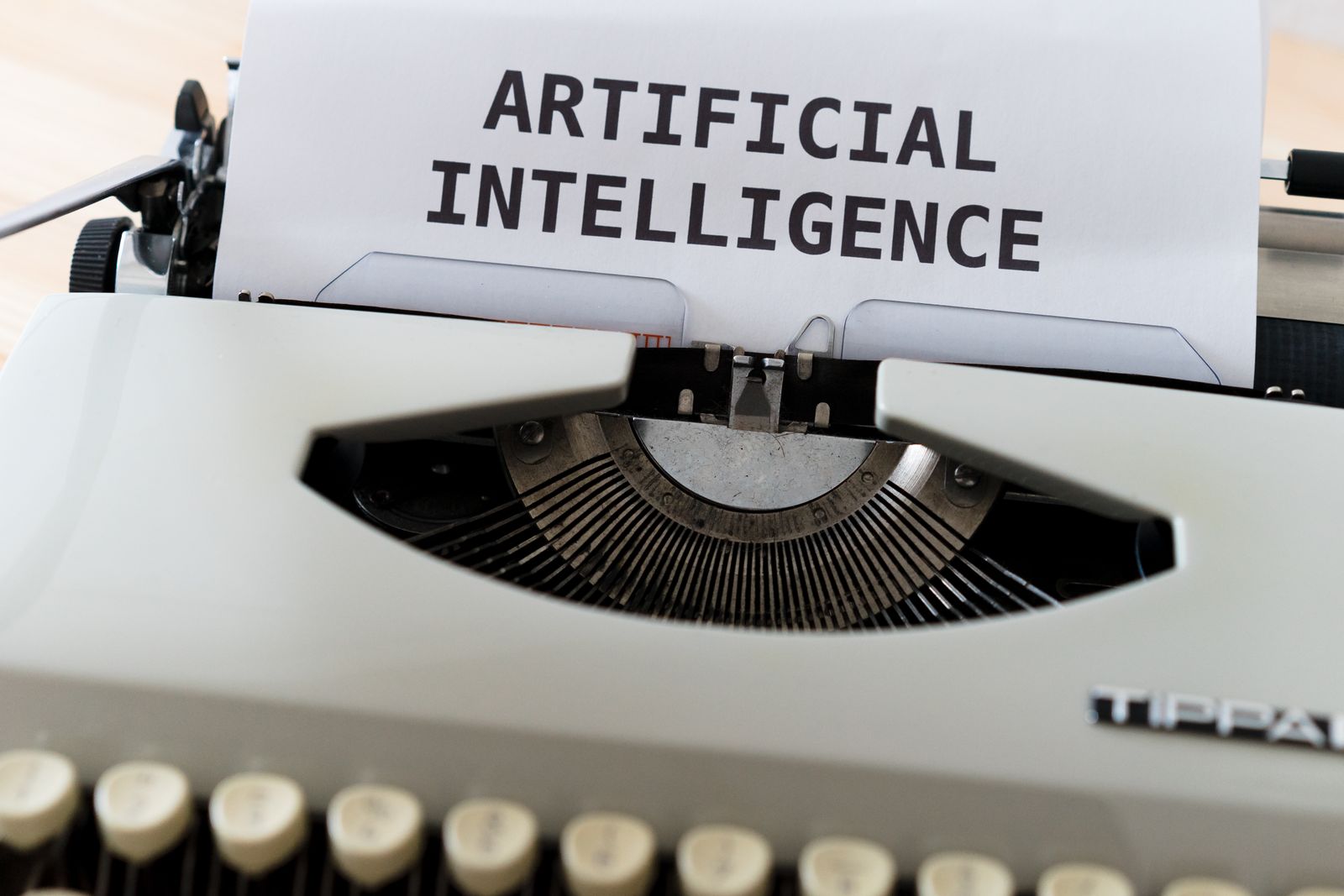
In the ongoing debate about the future of artificial intelligence (AI), an article published in Opinión 51 has sparked an important reflection. The article's title is clear: “Artificial intelligence can learn everything, except how to live.” This statement invites us to consider the limits of technology and the essence of what makes us human.
The core idea isn't that AI is incapable of performing complex tasks or simulating behaviors, but that there's a dimension of existence, what the author calls “living,” that escapes its programming. This refers to subjective experience, genuine emotions, self-awareness, and the ability to make decisions based on values and feelings that cannot be reduced to mere data patterns.
What Does “Learning to Live” Mean?
When we talk about “learning to live,” we think of a collection of experiences that go beyond logic. It includes the capacity to feel joy, sadness, love, fear, and hope. It also implies understanding death, loss, empathy, and morality. These are aspects that develop through interaction with the world, human relationships, and personal reflection.
For artificial intelligence, learning is based on algorithms, massive data, and pattern recognition. It can process information at an unimaginable speed for a human, identify trends, and even generate content that appears original. Models like OpenAI's new Astra, which we discussed in this article, demonstrate astonishing advances in multimodal interaction, but always within a framework of pre-existing information.
 Video
The Limits of Simulation
Opinión 51's argument suggests that no matter how sophisticated AI's simulation of an emotion or human behavior may be, it lacks the experiential basis that gives meaning to those actions. A program can say it “feels” something, but it doesn't “feel” it in the same way a person does. It doesn't have a body, a personal history of experiences, or self-awareness in the biological and philosophical sense.
This debate is not new, but it is becoming increasingly relevant as AI integrates into more aspects of our lives. From customer service to artistic creation, the presence of artificial intelligence is undeniable. The question that arises is whether we should expect more from it than efficiency and data processing capabilities.
The Conversation About AI’s Future
This perspective adds to the growing global conversation about how we should interact with AI and how to regulate it. In the United States, for example, Iowa legislators have called for a federal role in regulating artificial intelligence, as we reported in another one of our articles. There are also discussions about how midterm elections could redefine AI policy, according to Broadband Breakfast.
These concerns not only revolve around AI's ability to perform tasks but also its ethical, social, and, as Opinión 51 suggests, existential impact. The distinction between what AI can learn to do and what humans experience as “living” is crucial for defining our future with this technology.
Why it matters
The Opinión 51 article reminds us that, despite technological advancements, clear boundaries exist between artificial intelligence and human life. It invites us to reflect on the uniqueness of human experience and not to lose sight of the aspects that define us as living beings. Understanding these limitations is fundamental for developing AI in a way that complements our lives without attempting to replace them entirely, keeping the focus on the invaluable worth of what it means to be human.
Script for your video
Runs about 49 secMake short videos? This script sums up the story so you can read it off your teleprompter and record a Reel, a Short, or a TikTok.
Title for your video
AI Can't Live: What's the Human Limit of Technology?
How to use it
- 1Pick the length — 1 or 2 minutes — and tap “Copy script.”
- 2Paste it into the teleprompter app on your phone, or read it off the screen.
- 3Record vertically and post it to Reels, Shorts, or TikTok.
It's free to use, and you can monetize your video. We only ask that you say where you read it: the script already ends with “The full story is on losupe.com.”
Sources
TopicsArtificial IntelligencePhilosophyTechnologyEthicsOpinión 51