OpenAI Launches "Grid Protectors" to Help Data Centers Stabilize Electric Grids
OpenAI introduced its Grid Protectors Program, an initiative to partner with utilities and regulators. The goal is for its future compute campuses to adjust electricity demand and protect consumer costs, especially during times of high need.
ByAndreea Blidar3 min read
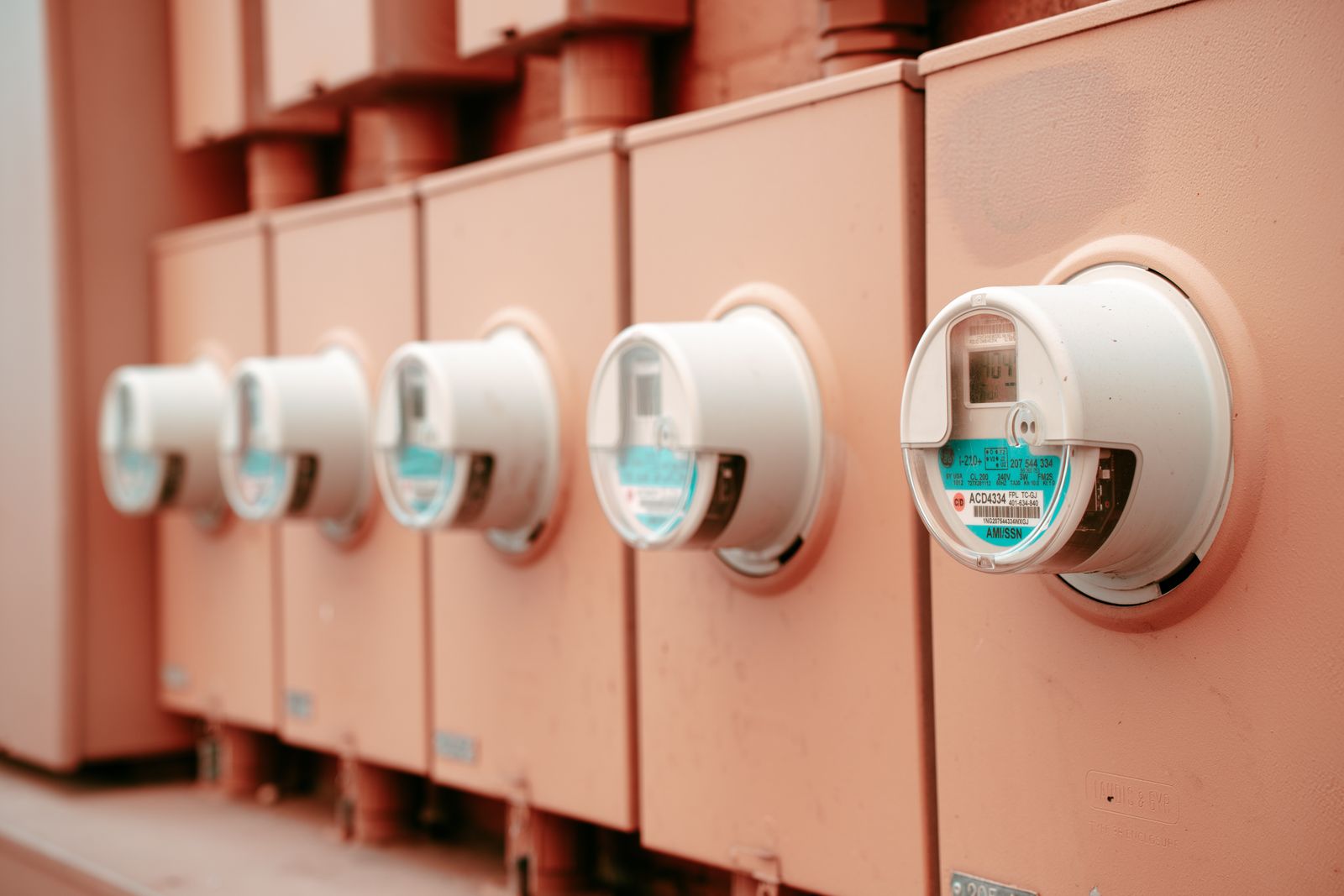
OpenAI has launched its Grid Protectors Program, an initiative designed to ensure its future compute campuses support electric grid reliability and help manage costs for consumers. The company will collaborate with utilities, regulators, and policymakers to enable its campuses to reduce electricity demand when the grid is under strain, according to an OpenAI statement.
AI's Energy Challenge
Electricity demand in the United States is rapidly increasing. The country's data center capacity is projected to exceed 100 gigawatts by 2030, a figure that highlights the scale of the energy challenge presented by artificial intelligence. As we've reported previously, the AI sector faces profitability questions partly due to these costs. OpenAI aims to make its campus flexibility a resource that utilities can call upon when communities need it most.
How the Program Will Work
The Grid Protectors Program involves designing facilities to reduce their electricity consumption when necessary. This includes agreeing with utilities on how much demand can be reduced, how quickly, and for how long. Arrangements will vary by location.
Additionally, OpenAI plans to use on-site power generation or storage, such as batteries and power controls, to smooth out changes in demand. The idea is that by consuming more electricity when the grid has capacity and reducing use when it's strained, it will help cover infrastructure costs (power lines, substations) and limit the need for expensive upgrades to meet peak demand. This, in turn, can help keep costs down for other customers.
The company is committed to paying its own energy costs, including the electricity it uses and the infrastructure required for its campuses.
The Georgia Model
An example of this approach is OpenAI's planned campus in Effingham County, Georgia. For this project, the company has committed to paying the full infrastructure and electric-service costs. Once operational, the campus will be able to reduce the power it draws during times of need.
The agreement with Georgia Power includes up to 1,000 megawatts of flexible demand response, which could free up power equivalent to the average consumption of approximately 700,000 households—more than Washington D.C. and Boston combined. According to Georgia Power, this flexibility can reduce the amount of new generation the utility needs to build for future growth. The power company projects approximately $950 million in annual customer savings starting in 2029 from its portfolio of large-load agreements and expected growth, including OpenAI's project. This is estimated to benefit a typical residential customer using 1,000 kilowatt-hours by at least $15 per month.
Why it matters
This OpenAI program represents a significant shift in how large computing facilities can interact with energy infrastructure. At a time when AI's energy demand is growing, initiatives like Grid Protectors are important to ensure this growth does not overload existing grids or increase costs for families and small businesses. It's a step towards integrating AI technology more sustainably into our communities.
Script for your video
Runs about 47 secMake short videos? This script sums up the story so you can read it off your teleprompter and record a Reel, a Short, or a TikTok.
Title for your video
OpenAI protects your bill: data centers stabilize the grid.
How to use it
- 1Pick the length — 1 or 2 minutes — and tap “Copy script.”
- 2Paste it into the teleprompter app on your phone, or read it off the screen.
- 3Record vertically and post it to Reels, Shorts, or TikTok.
It's free to use, and you can monetize your video. We only ask that you say where you read it: the script already ends with “The full story is on losupe.com.”
Sources
TopicsOpenAIAIenergyelectric gridsustainabilitydata centers