Dominican Republic: Among Latin America's Fastest Mobile Internet Countries
The Dominican Republic stands out in Latin America for its mobile internet speed, averaging 45.25 Mbps. Additionally, residential fiber optic services can reach up to 1 Gbps, driven by infrastructure expansion and a clear regulatory framework.
ByPedro Llerena4 min read
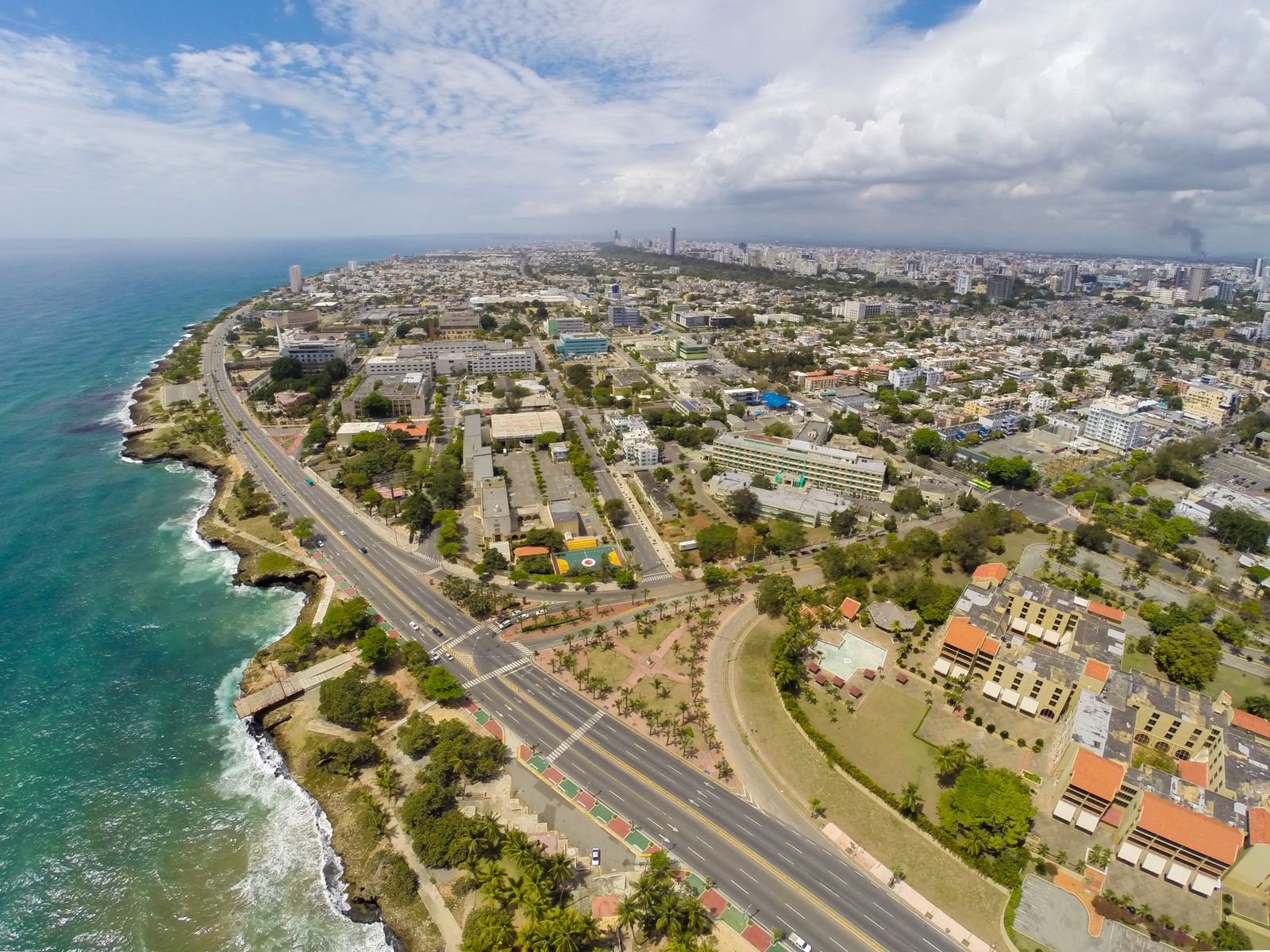
The Dominican Republic has positioned itself as one of the countries with the fastest mobile internet in Latin America, registering an average speed of 45.25 Mbps, according to global measurements by Ookla. But that's not all: fiber optic plans for homes and businesses can offer up to 1 Gbps. This progress is the result of constant investment in infrastructure and regulation that has fostered competition in the sector.
Speeds Setting the Standard
The 45.25 Mbps mobile internet speed, reported by Ookla, places the country among the leaders in the Latin American region, as detailed in Wikipedia. This means that downloading files, streaming high-definition videos, or using mobile applications is a smooth experience for many users.
When it comes to fixed internet, the situation is even more promising. Commercial fiber optic plans offer connections that can reach up to 1,000 Mbps, or 1 Gbps, for both download and upload, which is impressive by any global standard, according to the same source.
It's important to note that the Dominican Telecommunications Institute (INDOTEL) has raised minimum standards. For a fixed service to be considered broadband, it must have at least 30 Mbps download and 10 Mbps upload. For mobile internet, the minimum average is 8 Mbps, according to official provisions from INDOTEL itself. This ensures a minimum quality for users.
Fiber and 5G as Driving Forces
Behind these speeds is a significant infrastructure effort. The Dominican Republic has seen a substantial deployment of fiber optic networks and the expansion of 5G mobile technology, as explained in Wikipedia. These technologies are what allow such high-speed figures to be achieved.
The history of the internet in the country began institutionally in 1991, with mass commercialization starting in 1995 with dial-up connections, as we covered in this article. Since then, evolution has been constant, moving from those slow beginnings to today's high-speed connections.
INDOTEL plays a crucial role, not only by setting minimum speeds but also by overseeing the market and managing public policies to ensure more people have internet access, as described in Wikipedia.
Beyond Speed: Connectivity and Coverage
Speed is important, but so is people's access. By 2024, internet penetration in the Dominican Republic reached 91% of the population, according to data from the International Telecommunication Union (ITU) cited in Wikipedia. This demonstrates widespread access to the network.
The mass adoption of internet access was largely due to mobile telephony, which made cell phones the primary gateway to the internet for most users. Today, the market is full of operators offering integrated packages, combining fixed internet, mobile, television, and other services, according to Wikipedia.
However, subscription data should be viewed with caution. A subscription doesn't always equate to an individual, as one person can have multiple lines, or a single fixed connection can be shared by a family. Therefore, organizations like the National Statistics Office (ONE) complement this data with household surveys to get a clearer picture of actual usage, based on information from Wikipedia.
The Country as a Caribbean Digital Hub
The infrastructure supporting all of this is complex. It includes terrestrial fiber optic networks, data centers, mobile networks, and internet exchange points. International connectivity through submarine cables is also key. As we discussed in this note, these cables are fundamental for global connectivity.
A significant player is the NAP del Caribe, an Internet Exchange Point (IXP) operating in the country since 2007, according to ECLAC. This allows local networks to exchange data directly, reducing reliance on international routes and improving response times.
The Dominican Republic's geographical position is strategic. Submarine cables landing in locations like Punta Cana and Puerto Plata are vital, as over 95% of telecommunications traffic passes through them. For this reason, INDOTEL has supported international initiatives to protect these facilities, as mentioned in Wikipedia.
Furthermore, the Dominican government, in collaboration with Google, has announced a project to develop an open and neutral international digital exchange port. This port aims to transform the country into a "digital hub" in the Caribbean, with the technological capacity to host four new submarine cables to multiply direct links with the American continent, according to Wikipedia.
Why it matters
The Dominican Republic is making a strong commitment to high-speed connectivity. With mobile internet among the fastest in the region and growing fiber optic infrastructure, the country is not only improving the experience for its citizens but also positioning itself as a strategic point on the Caribbean's digital map. Investment in technology and regulation has created an environment that promises to continue driving its digital and economic development.
Script for your video
Runs about 52 secMake short videos? This script sums up the story so you can read it off your teleprompter and record a Reel, a Short, or a TikTok.
Title for your video
DR: Ultra-fast mobile internet! Leader in Latin America?
How to use it
- 1Pick the length — 1 or 2 minutes — and tap “Copy script.”
- 2Paste it into the teleprompter app on your phone, or read it off the screen.
- 3Record vertically and post it to Reels, Shorts, or TikTok.
It's free to use, and you can monetize your video. We only ask that you say where you read it: the script already ends with “The full story is on losupe.com.”
Sources
TopicsDominican Republicinternetspeedfiber optic5GLatin America