Strait of Hormuz: How Iran and US Tensions Affect the Global Economy
The agreement to reopen the Strait of Hormuz, crucial for global trade, is on hold. Iran conditions it on the US fulfilling prior commitments, showing how trade routes and sanctions become pressure tools in the global economy.
ByMerry Melina4 min read
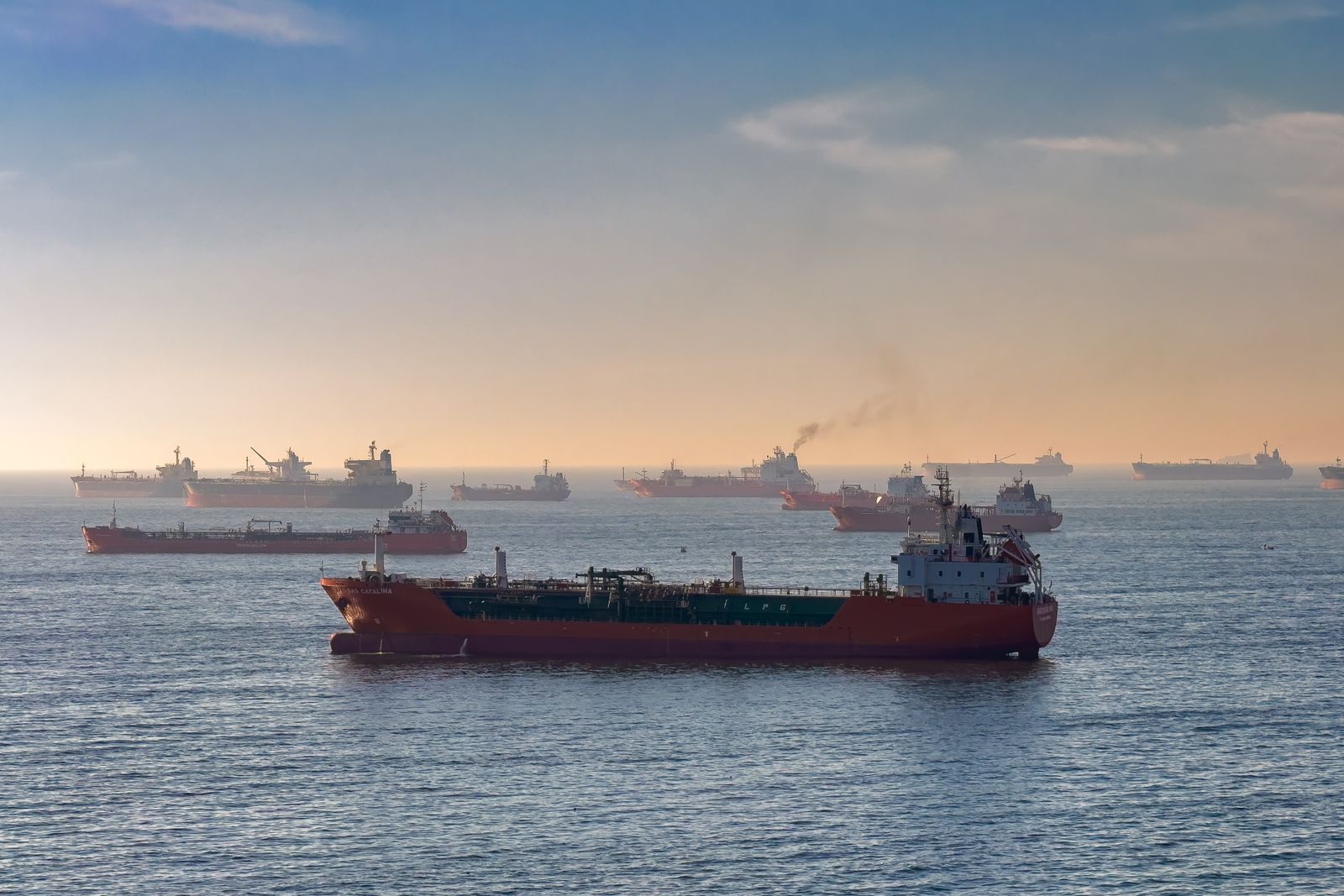
The Strait of Hormuz, a vital maritime channel for global oil and gas trade, has become a central point in the conflict between Iran and the United States. Recently, Iran announced an agreement with Oman for the joint reopening of this strait, but clarified that its implementation depends on the United States fulfilling previously made commitments. This situation helps us understand how geopolitics and economics intertwine, using trade routes and sanctions as tools of pressure.
Hormuz: A Strategic Global Bottleneck
The Strait of Hormuz is one of the most important shipping routes in the world. Located between Iran and Oman, it accounted for approximately 20% of global crude oil traffic before the war, according to EFE. Its significance makes it a high-tension point in any regional conflict.
Iran closed passage through Hormuz in mid-July, following new US bombings on its territory. The United States responded by reimposing a blockade on Iranian vessels and ports, which has damaged Iran's economy, as reported by EFE.
Iranian Deputy Foreign Minister Kazem Garibabadi explained that, although there is an agreement with Oman for a vessel transit corridor, it will not be implemented if the United States does not meet certain conditions. These include Tehran’s demands for an end to the war on all fronts (including Lebanon), the lifting of the US blockade on its ports and vessels, and the end of sanctions against the Islamic Republic. Additionally, Iran insists on charging fees for navigation, security, and environmental services for transit through the strait, which the United States opposes, according to EFE.
The Pressure of Economic Sanctions
Economic sanctions are a powerful tool countries use to exert pressure. As we explained in this guide, they can have a profound impact on a country's economy. In this case, US Treasury Secretary Scott Bessent promised an “economic offensive” against Iran's finances, seeking new sanctions against entities, individuals, and vessels.
A key aspect of this strategy involves secondary sanctions, which aim to affect companies and countries that continue to do business with Iran. However, this measure presents a major challenge: China. The Asian country purchases about 90% of Iranian oil, making it a crucial trade partner for Tehran, as noted by La República.
The US threat to sanction Chinese companies could trigger a new economic confrontation with Beijing, something Washington seeks to avoid while trying to maintain a trade truce. China has already defended its cooperation with Iran and warned of possible retaliation, stating that it will take all necessary measures to safeguard its own interests, according to La República.
The Role of Diplomatic Agreements
The situation in Hormuz also highlights the importance of diplomatic agreements and how their fulfillment can be a decisive factor in conflict resolution. Iran emphasizes that the agreement for the strait is conditional on the fulfillment of the Memorandum of Understanding signed with Washington in June.
This means that promises made at the negotiation table carry real weight in how countries act on the global stage. Non-compliance can paralyze other important agreements, such as the reopening of a vital trade route. For Iran, there is no rush to open the strait if the United States does not fulfill its part, maintaining its “defensive measures,” according to EFE.
Global Impact of Trade Tensions
Tensions in the Strait of Hormuz and economic sanctions do not remain confined to the relationship between Iran and the United States. As we discussed in this note, these conflicts have a global impact. The war in Iran, which began in late February, has already affected the global economy, disrupting energy supply and maritime transport, according to La República.
Any escalation, especially if it involves China, could have even greater consequences. If the United States were to sanction a Chinese bank, for example, Beijing could respond with restrictions on the export of critical minerals or essential pharmaceuticals, severely affecting global manufacturing and health, according to researcher Michael Sobolik of the Hudson Institute, in statements to La República.
Why it matters
The situation in the Strait of Hormuz is a clear example of how strategic geographic points and economic tools become key pieces on the international political chessboard. Decisions made in Tehran and Washington have the power to affect global energy flows and economic stability, demonstrating the interconnectedness of our world. Diplomacy and the fulfillment of agreements are fundamental to preventing these tensions from escalating into global crises with repercussions for everyone.
Script for your video
Runs about 49 secMake short videos? This script sums up the story so you can read it off your teleprompter and record a Reel, a Short, or a TikTok.
Title for your video
Ormuz: Iran challenges US, shakes global economy
How to use it
- 1Pick the length — 1 or 2 minutes — and tap “Copy script.”
- 2Paste it into the teleprompter app on your phone, or read it off the screen.
- 3Record vertically and post it to Reels, Shorts, or TikTok.
It's free to use, and you can monetize your video. We only ask that you say where you read it: the script already ends with “The full story is on losupe.com.”
Sources
TopicsEconomyGeopoliticsInternational TradeSanctionsStrait of Hormuz