Understanding Oil: Your Guide to Prices, Inflation, and Economic Impact
Oil prices are always in the news, and understanding what drives them is key to grasping the global economy and your own finances. We explain the factors behind oil's value and its connection to inflation.
ByMerry Melina5 min read
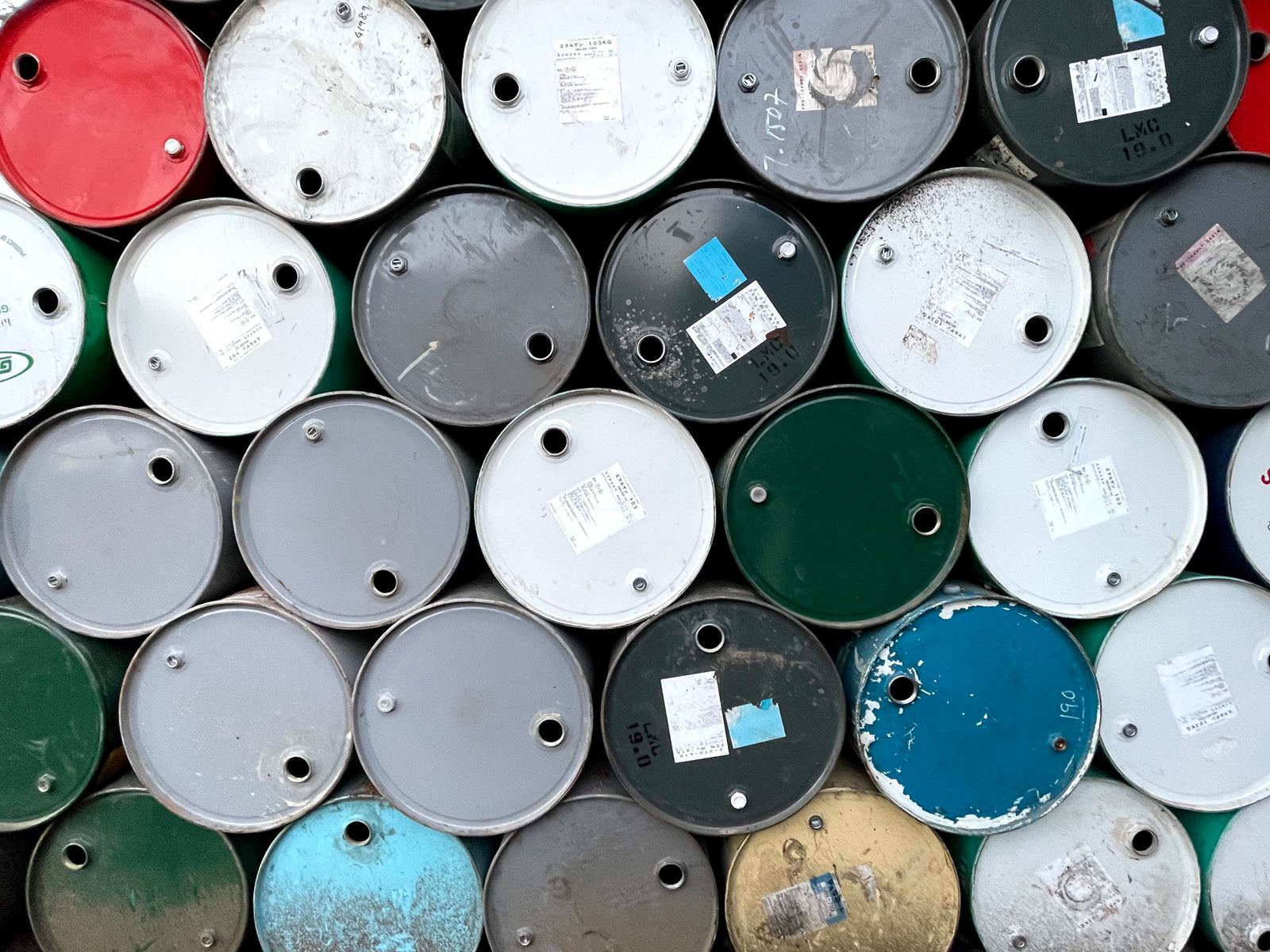
The price of oil is a constant barometer of the global economy, and its volatility often takes center stage in financial discussions. While headlines sometimes talk about big jumps due to geopolitical tensions, like the interest in "oil futures" seen on Google, it's important to also look at the concrete data affecting everyday life.
For example, in July, gasoline and other energy-related goods prices in the United States decreased by 2.7%, as reported by CNBC. This helped the Personal Consumption Expenditures (PCE) price index, the Federal Reserve's (Fed) preferred inflation measure, show an annual increase of 3.7%, with core inflation (excluding food and energy) at 3.3%.
So, how do we make sense of this landscape? Here, we explain the key factors influencing oil prices and how these movements affect inflation and your economy.
Why Do Oil Prices Matter?
Oil isn't just fuel for your car. It's a fundamental raw material in almost every economic sector. From transporting goods to manufacturing plastics, fertilizers, and pharmaceuticals, crude oil is an essential ingredient.
When oil prices rise, production and transportation costs for businesses increase. This translates into higher prices for consumers, contributing to inflation. Conversely, a drop in prices can ease cost pressures and provide some relief to household budgets.
Key Factors Driving Oil Prices
The value of oil in international markets is not fixed; it results from a complex interaction of forces. Here are the most important ones:
- Global Supply and Demand: This is the most basic economic principle. If there's more oil available than the world needs, prices tend to fall. If demand exceeds supply, prices rise. This depends on production from key countries like Saudi Arabia and Russia, and the pace of economic growth in large consumers like China and India.
- Geopolitical Events and Conflicts: Tensions in producing regions or important transit routes can create uncertainty and affect supply. For example, the situation in the Middle East or the Strait of Hormuz can cause prices to surge due to fears of supply disruptions. Economic sanctions also play a significant role.
- The Strength of the US Dollar: Oil is priced in dollars in international markets. When the dollar strengthens, oil becomes more expensive for countries buying with other currencies, which can reduce demand and push prices down. Conversely, a weak dollar can make oil cheaper and increase demand.
- Speculation in Futures Markets: Traders buy and sell oil contracts for future delivery. Their expectations about supply and demand, or geopolitical events, can significantly influence current prices. This is what's known as "oil futures."
- Energy Policies and Strategic Reserves: Government decisions on production, energy taxes, or the use of strategic oil reserves can also impact prices. For example, if the United States releases oil from its Strategic Petroleum Reserve, it can increase supply and stabilize prices.
Oil and Inflation: The Fed's Perspective
Inflation is the general increase in the prices of goods and services. The U.S. Federal Reserve aims to keep inflation at 2% annually. To measure it, they primarily use the Personal Consumption Expenditures (PCE) price index.
According to CNBC, in July, the overall PCE index rose 0.2% monthly, bringing the annual rate to 3.7%. However, excluding volatile food and energy costs, core inflation (core PCE) remained at 3.3% annually. The Fed considers core inflation a better measure of longer-term trends. The 2.7% decrease in gasoline prices was a key factor in goods prices falling 0.1% for the month.
While energy costs can fluctuate significantly, the Fed closely monitors them because they directly affect consumers' purchasing power and businesses' costs. A sustained rise in oil could lead the Fed to consider measures like interest rate hikes to control inflation.
How to Track Oil Prices
To understand oil's impact, you can follow reliable economic and financial news sources, as well as reports from agencies like the U.S. Energy Information Administration (EIA) or the International Energy Agency (IEA). These will provide data on global production, consumption, and reserves. You can also observe oil futures prices (WTI and Brent) on financial platforms, which will give you an idea of market expectations.
Why it matters
The price of oil is much more than a number on a screen; it's a crucial indicator of global economic health and a factor that directly influences your personal finances. By understanding the complex factors that shape it, from supply and demand to geopolitics and financial speculation, you can better interpret economic news and anticipate how these movements might affect your daily expenses and the overall economic outlook. Staying informed helps you navigate a world where energy remains the primary engine.
Script for your video
Runs about 41 secMake short videos? This script sums up the story so you can read it off your teleprompter and record a Reel, a Short, or a TikTok.
Title for your video
Alert! Oil prices directly impact your economy
How to use it
- 1Pick the length — 1 or 2 minutes — and tap “Copy script.”
- 2Paste it into the teleprompter app on your phone, or read it off the screen.
- 3Record vertically and post it to Reels, Shorts, or TikTok.
It's free to use, and you can monetize your video. We only ask that you say where you read it: the script already ends with “The full story is on losupe.com.”
Sources
Topicsoilinflationeconomyenergymarkets



