Expensive Diesel: Your Guide to Understanding Fuel's Economic Impact
Diesel prices in the United States have reached historic levels, and this goes beyond what you pay at the pump. Understanding why this fuel is so crucial helps you see how it impacts logistics, supermarkets, and your online shopping.
ByAndreea Blidar5 min read
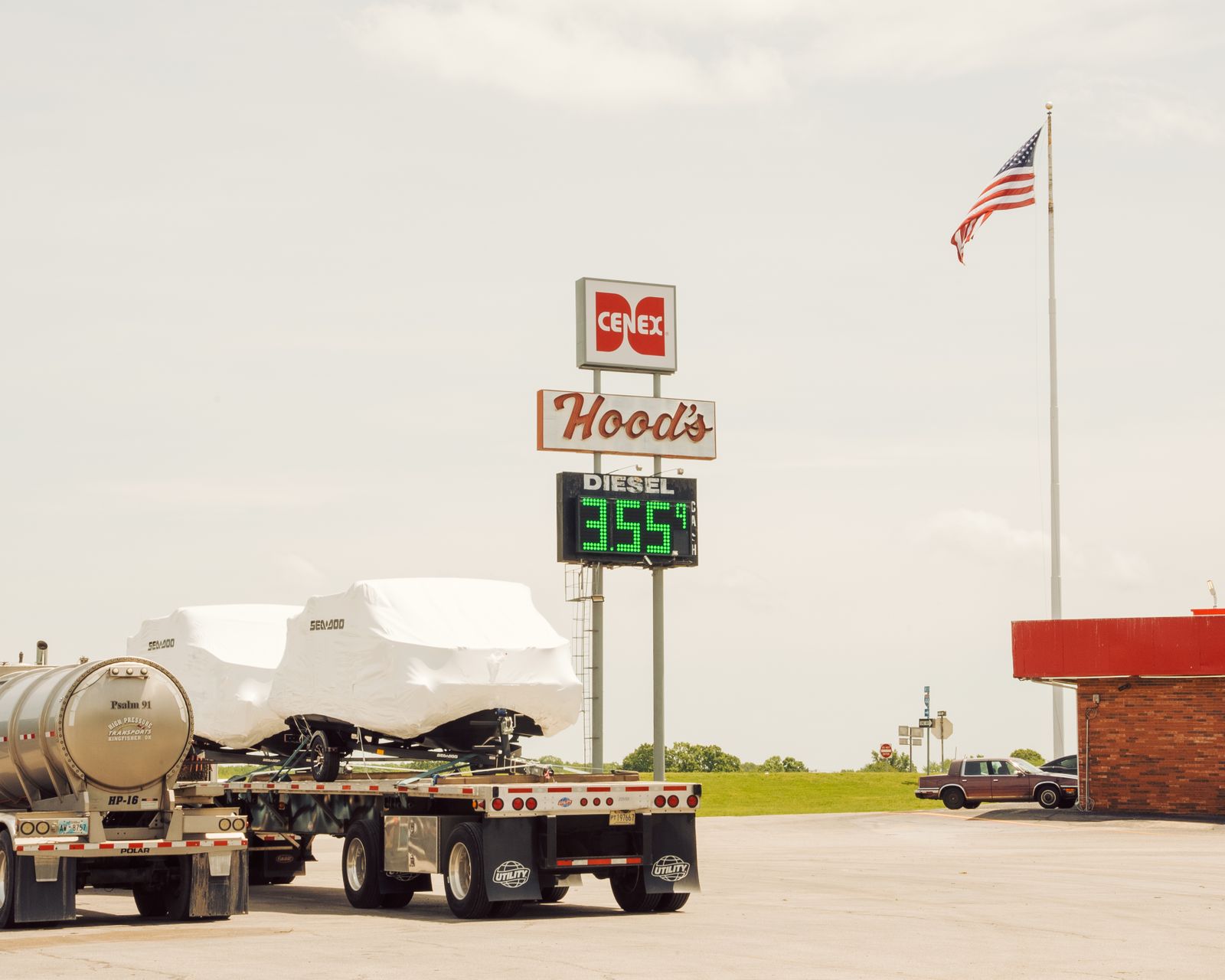
Diesel prices in the United States have been a hot topic, especially since they hit record highs, as reported by Infobae. This increase isn't just a number on the pump; it's a barometer of how the economy is moving and a factor that touches your wallet in ways you might not always notice. This fuel, essential for almost everything, becomes more expensive amidst global tensions, such as the war with Iran.
To understand the true impact, it's not enough to know that it's expensive. You need to see how diesel is the heart that pumps the supply chain, from the farm to your table. This guide will help you break down how its price affects logistics, supermarkets, and e-commerce, and why it's important to pay attention.
The Economy's Artery: Why Diesel is Key
Imagine for a moment how food gets to your grocery store, how your house is built, or how that package you ordered online arrives at your door. Behind each of these processes, there is almost always a diesel engine. This fuel is the primary energy source for:
- Freight Transport: The vast majority of long-haul trucks that move goods across the country run on diesel. From food and medicine to clothing and electronics, everything depends on them.
- Agriculture: Tractors, harvesters, and other farm equipment use diesel. An increase in its price directly translates into higher costs for producing and transporting food.
- Construction: Heavy machinery like excavators, cranes, and bulldozers operate on diesel. This means that infrastructure and housing projects also see their costs affected.
- Public Services: Buses, garbage trucks, and emergency vehicles often rely on this fuel to operate.
Simply put, diesel is the gear that keeps much of the economy moving. If its price goes up, the cost of doing almost anything also goes up.
The Domino Effect on Your Groceries and Online Shopping
When diesel becomes more expensive, transportation companies have to spend more to move their goods. They don't bear this additional cost alone; they pass it on to the next links in the chain: manufacturers, distributors, and finally, retailers. And at the end of that chain, there's you.
At the Supermarkets
The food you buy at the grocery store has traveled hundreds, if not thousands, of miles. From the farm to the distribution center and then to the store, each stage involves diesel trucks. If transportation is more expensive, the price of milk, fruits, vegetables, and even canned goods goes up. It's an increase that is felt directly in your shopping cart and, over time, can impact your household budget.
In E-commerce
Do you love ordering things online? E-commerce relies on efficient logistics and, above all, fast deliveries. Delivery vans and large trucks that carry packages to sorting centers use diesel. A higher cost for this fuel translates into:
- Increased Shipping Costs: Companies may raise the price you pay for shipping or reduce free shipping offers.
- Higher Product Prices: To offset logistical expenses, online stores might increase the base price of their items.
- Fewer Fast Delivery Options: Some companies might opt for slower shipping options to reduce their costs, meaning your orders will take longer to arrive.
What seems like online convenience has a very real transportation cost behind it.
Beyond the Price: The Pressure on Logistics
The rise in diesel prices not only affects the final cost of products but also puts enormous pressure on the logistics industry in general. Transportation companies face difficult decisions:
- Reduced Profit Margins: If they cannot pass on the entire increase to their customers, their own profits suffer.
- Delays and Reorganization: To optimize routes and spend less fuel, companies may have to reorganize their operations, which sometimes leads to delivery delays.
- Investment in Efficiency: In the long run, this drives the search for more efficient vehicles or the exploration of alternative fuels, although these changes take time and considerable investment.
The current situation, with high prices and geopolitical tensions like the war with Iran, creates a complex scenario. If you want to know more about how these conflicts affect your daily life, we have a note that might interest you.
What It Means for the Future
Expensive diesel can have longer-term economic consequences. It can fuel inflation, making your money worth less and affecting purchasing power. For businesses, especially small and medium-sized ones that depend on transport, it can be a major challenge to remain competitive.
Moreover, it drives innovation. The need to reduce reliance on fossil fuels and find cheaper, more sustainable alternatives becomes more urgent. We will see more efforts in the development of electric vehicles for cargo, optimized logistics, and renewable energy sources.
Why it matters
Diesel is the silent engine of our economy. When its price rises, it's as if the cost of living and doing business in general also increases. Understanding this impact allows you to be a more informed consumer and helps you grasp the economic forces that shape the prices of everything, from the food in your fridge to the latest gadget you buy online. It's a reminder of how interconnected the world is and how a seemingly distant factor can reach your table.
Script for your video
Runs about 45 secMake short videos? This script sums up the story so you can read it off your teleprompter and record a Reel, a Short, or a TikTok.
Title for your video
Sky-high Diesel: How it Hits Your Wallet and Online Shopping
How to use it
- 1Pick the length — 1 or 2 minutes — and tap “Copy script.”
- 2Paste it into the teleprompter app on your phone, or read it off the screen.
- 3Record vertically and post it to Reels, Shorts, or TikTok.
It's free to use, and you can monetize your video. We only ask that you say where you read it: the script already ends with “The full story is on losupe.com.”
Sources
Topicsdieseleconomyinflationlogisticsconsumerprices



