Fed Rate Hike Expectations Boost Dollar, Pressure Latin American Currencies
Anticipation of a potential interest rate hike by the U.S. Federal Reserve is strengthening the dollar, causing shifts in emerging market currencies. This trend affects regional currencies like the Mexican peso, although exact exchange rate data for today is not available in the latest reports.
ByPedro Llerena5 min read
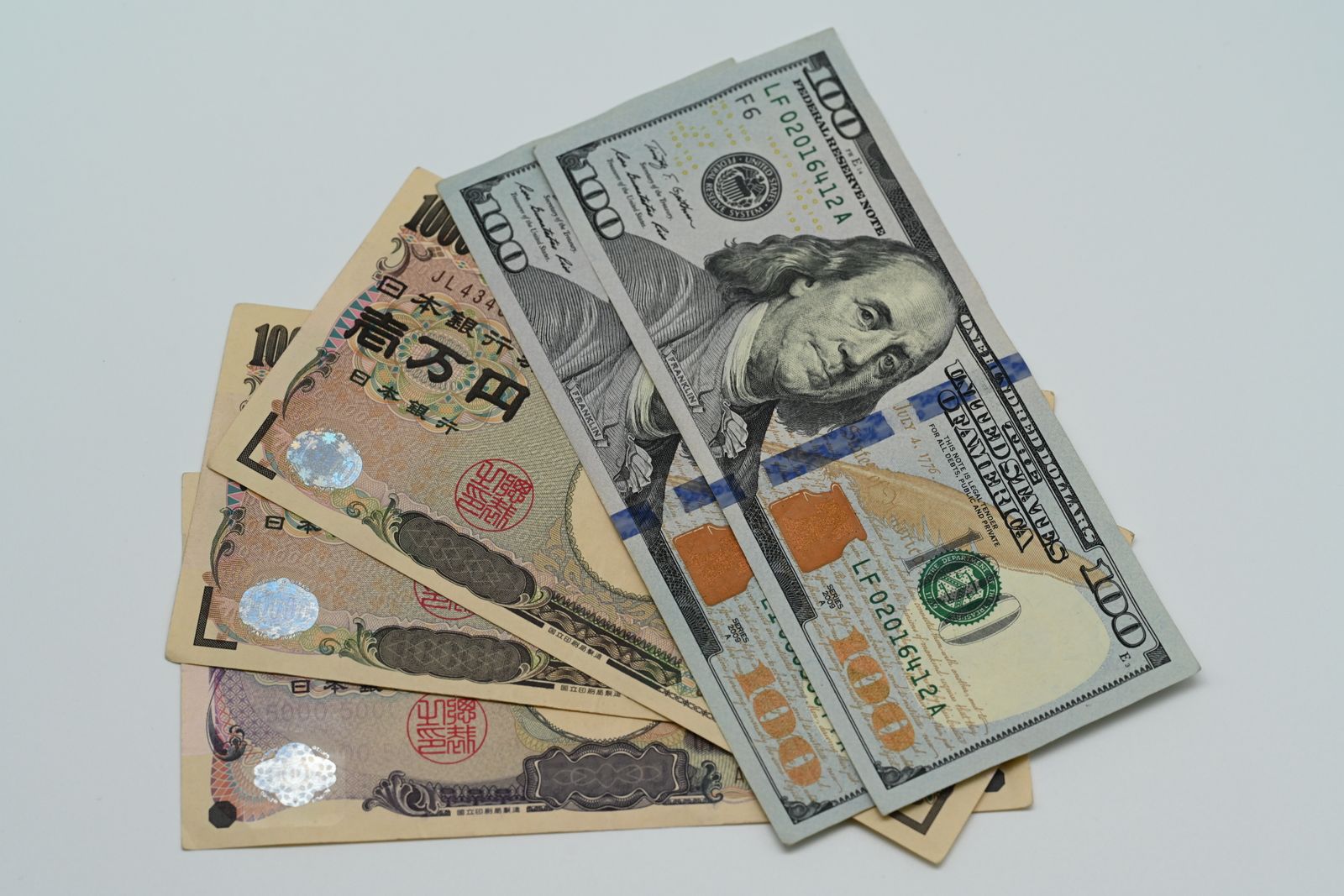
The U.S. dollar is experiencing a rebound in Latin American markets, driven by strong expectations that the Federal Reserve (Fed) will announce another interest rate increase. This general movement impacts several currencies across the region, and the Mexican peso, one of the most closely watched currencies, is not immune to this global context. However, specific exchange rate data for Friday, September 18, 2026, is not detailed in recent reports.
According to an analysis by economist Melvin Escudero, consulted by RPP, investor sentiment has shifted over the past three weeks. This is partly due to rising oil prices, which moved from a range of $65-$85 to over $100 per barrel in international markets. Added to this are U.S. employment data showing a "buoyant" economy, as we reported in this article. These factors have led to a high probability, between 80% and 90%, that the Fed will raise its interest rate by 0.25 percentage points, moving it from the 3.50%-3.75% range to 3.75%-4%.
The Fed's Interest Rate Influence
The relationship between U.S. interest rates and the dollar's value is direct and fundamental. When the Fed raises its rates, capital tends to seek higher returns in the United States. Imagine you have money to invest: if the U.S. offers a higher yield, it's natural to want to move your capital there. This increases the demand for dollars and, consequently, its price against other currencies.
This effect is already visible in several emerging markets. In Peru, for example, the dollar closed at S/3.38 this Monday, September 14, up from S/3.35 a week earlier, as reported by RPP. Escudero explained that this rebound has also been observed in countries like Colombia, Brazil, South Africa, and Turkey, where local currencies have lost value. This shows how Fed decisions have an impact that extends beyond U.S. borders, reaching economies across the region. If you want to understand more about Fed decisions, you can read our article on the recent rate hike.
What This Means for the Mexican Peso
Although the available sources do not provide the exact exchange rate for the Mexican peso against the dollar for this Friday, September 18, the general trend of dollar strength impacts most emerging market currencies, including the peso. The dynamic is the same: if global investors perceive U.S. dollar-denominated assets as more attractive due to higher interest rates and a strong U.S. economy, the demand for dollars increases worldwide.
This creates upward pressure on exchange rates in countries like Mexico. For citizens and businesses, this can mean that purchasing imported goods or conducting dollar-denominated transactions becomes more expensive. It's a situation that requires constant attention, as it affects both the cost of living and business planning.
Temporary Fluctuation or Long-Term Trend?
Melvin Escudero, the economist cited by RPP, suggests that, at least for Peru, this dollar rebound might be moderate and temporary. He estimates that the sol could reach S/3.39 or S/3.40 in the short term, but does not foresee significant long-term pressure. The reason is that the market is already largely "pricing in" the eventual Fed rate hike, meaning it's already incorporated into current prices.
Furthermore, each emerging country has its own specific factors that can counteract the dollar's strength. In Peru's case, Escudero mentions a trade surplus and potential capital inflows for new investments, especially in mining and infrastructure. This could lead to a long-term trend towards a strong sol. For Mexico, factors such as its own monetary policies, the performance of its trade balance, remittances, and foreign direct investment also play a crucial role in determining the peso's value.
Key Factors to Watch
For the coming months, two factors will be especially important for the dollar's behavior and local currencies:
- Oil prices: Currently above $100, but expectations for next year point to a range of $60-$80. A drop in crude oil prices could reduce inflationary pressures and, therefore, the need for central banks to raise rates.
- Future Fed decisions: Although Escudero believes a single hike is most likely in the short term, he doesn't rule out another in October or December that would bring the U.S. rate up to 4%-4.25%. The Fed's communications will be key to understanding its "roadmap" for the rest of the year and next.
These elements show us that while there is short-term upward pressure on the dollar due to Fed expectations, the medium and long-term scenario for Latin American currencies will depend on a broader set of global and local factors.
Why it matters
For you and me, these dollar movements directly impact our wallets. A stronger dollar can make imported products, from technology to certain foods, more expensive. It also affects the cost of international travel and the value of remittances for those who receive them. For businesses, it impacts input costs, dollar-denominated debts, and investment planning, making daily operations a bit more uncertain. Staying informed about these trends is key to making smarter financial decisions in an interconnected world.
Script for your video
Runs about 42 secMake short videos? This script sums up the story so you can read it off your teleprompter and record a Reel, a Short, or a TikTok.
Title for your video
Dollar Surges in LatAm: What Will the Fed Do to Your Wallet?
How to use it
- 1Pick the length — 1 or 2 minutes — and tap “Copy script.”
- 2Paste it into the teleprompter app on your phone, or read it off the screen.
- 3Record vertically and post it to Reels, Shorts, or TikTok.
It's free to use, and you can monetize your video. We only ask that you say where you read it: the script already ends with “The full story is on losupe.com.”
Sources
TopicsdollarMexican pesoFederal Reserveinterest ratesLatin American economy



