How the United States Redefines Its Objectives in International Conflicts
Wars are dynamic, and over time, the goals of the countries involved also change. We explain the factors that lead the United States to adjust its military and diplomatic strategy when a conflict becomes prolonged.
ByAndreea Blidar4 min read
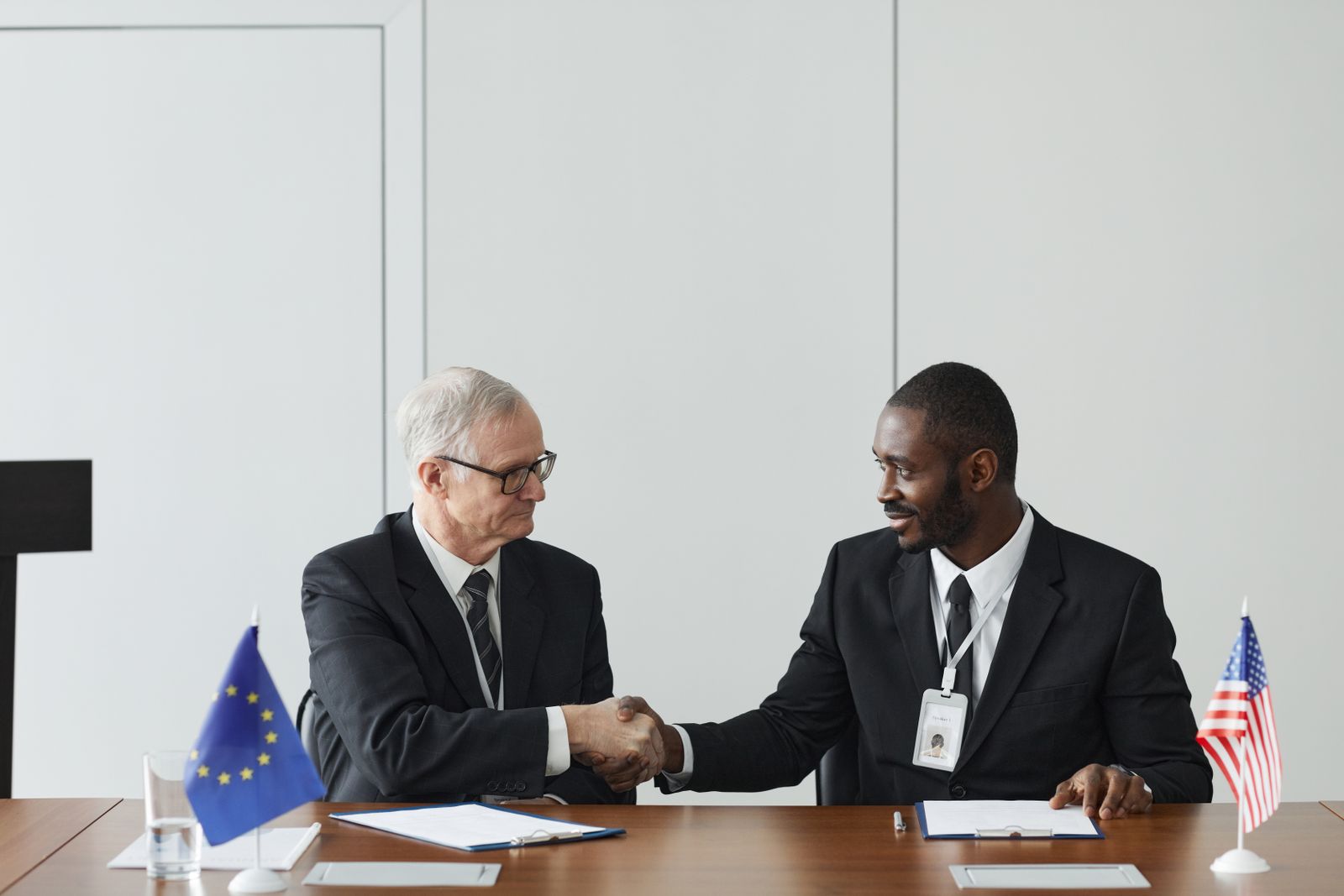
When an international conflict drags on, it's common for countries to re-evaluate and adjust their initial goals. A recent example is the situation in a European conflict, where Washington has been redefining its strategy and priorities in the face of an uncertain outcome, as reported by El Nuevo Día. But what causes these objectives to shift, and how can we understand these transformations?
This is not a simple decision. Foreign policies are complex and depend on many elements that change over time. Understanding these factors helps us better grasp the behavior of a power like the United States on the global stage.
Why Do Objectives Change in a Conflict?
When a conflict extends beyond expectations, several key points come into play and can force a change in direction. Here are some of the most important:
- Duration and human cost: Over time, the number of lives affected and human suffering can influence public perception and pressure leaders to seek new solutions or reduce involvement.
- Economic expenditure: Maintaining military intervention or significant aid comes at a very high cost. Bills accumulate and can deplete a country's resources, leading to a re-evaluation of what is sustainable.
- Public opinion: In democracies like the United States, citizen support is fundamental. If people start to grow weary of the war, or if objectives seem unclear, politicians may be forced to change course.
- Evolution on the ground: The situation on the battlefield is never static. Changes in the strength of the factions, unexpected advances, or new threats can render initial objectives obsolete.
- Alliances and international relations: Allies have their own priorities, and pressure from other countries can influence strategy. Sometimes, the need to keep a coalition united is more important than a particular objective.
- Internal political changes: A new administration or a change in the composition of Congress can bring a different vision for the conflict and, with it, new goals or priorities.
Types of Objectives and Their Adjustments
The objectives of the United States in a conflict can be very diverse. Initially, they might focus on national security, protecting allies, or defending democratic principles. But as the situation evolves, these priorities can shift.
- National security: Initially, this might be the primary goal, but if the direct threat diminishes or if other more urgent ones arise, the focus may change.
- Regional stability: Sometimes, the goal is to prevent the conflict from spreading to other countries. If this is achieved, attention may shift to reconstruction or diplomacy.
- Democratic values and human rights: While important, these objectives can be difficult to achieve in the long term, and sometimes they are adjusted if they conflict with more immediate or practical goals.
- Global influence: Maintaining the United States' position as a global leader is a constant goal, but the way to achieve it can vary, including the use of economic sanctions or diplomacy.
The Role of Diplomacy and Alliances
Diplomacy is an essential tool in redefining objectives. Through negotiations, agreements, and work with international organizations, the United States can seek solutions that do not solely involve the use of force. Alliances, as we discussed in this note on trade wars, also play a crucial role, as decisions are often made collaboratively and with the consensus of partners.
Furthermore, humanitarian aid and reconstruction support can also become priority objectives once the most intense phase of a conflict has passed. This involves stabilizing the region and laying the groundwork for lasting peace, even if it is a slow and challenging process.
How to Track These Changes
To understand adjustments in U.S. foreign policy, it's important to pay attention to various sources of information:
- Official statements: Speeches by the President, the Secretary of State, and other officials offer clues about current priorities.
- Reports from intelligence and defense agencies: While often classified, summaries or leaks can provide insight into the analysis being made of the situation.
- Coverage from reliable news media: Major newspapers and news agencies often have correspondents in conflict zones and analysts who interpret political movements.
- Analysis from think tanks: These organizations publish detailed research on foreign policy and security that can offer valuable perspectives.
Why It Matters
Changes in U.S. objectives in a conflict are not just political decisions; they have a real impact on the lives of millions of people, the global economy, and the stability of entire regions. Understanding why and how these goals are redefined allows us to have a clearer view of the complex geopolitical chessboard and the long-term consequences of these events.
Script for your video
Runs about 41 secMake short videos? This script sums up the story so you can read it off your teleprompter and record a Reel, a Short, or a TikTok.
Title for your video
US shifts war goals: Why do they change and what's next?
How to use it
- 1Pick the length — 1 or 2 minutes — and tap “Copy script.”
- 2Paste it into the teleprompter app on your phone, or read it off the screen.
- 3Record vertically and post it to Reels, Shorts, or TikTok.
It's free to use, and you can monetize your video. We only ask that you say where you read it: the script already ends with “The full story is on losupe.com.”
Sources
TopicsForeign PolicyUnited StatesConflictsGeopoliticsStrategy