Oil Prices Volatile: Brent Rises, WTI Falls Amid Ongoing Middle East Tensions
Oil prices experienced mixed movements this week, with Brent climbing despite daily declines, while WTI retreated. Talks between the U.S. and Iran and escalating Middle East tensions shaped the market, against a backdrop of rising bond yields and expectations for further rate hikes.
ByPedro Llerena5 min read
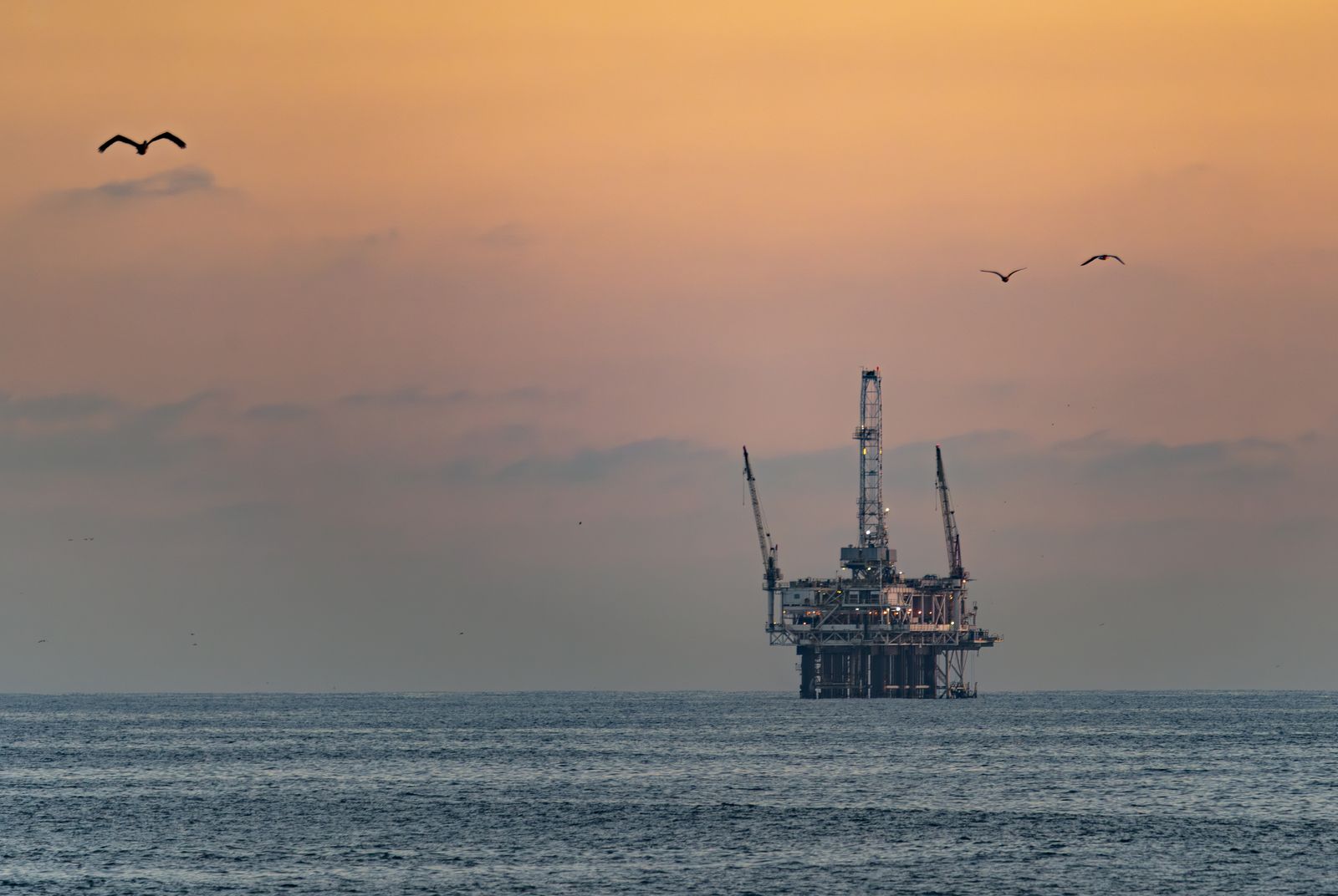
Oil prices moved in opposing directions during a week marked by high volatility and uncertainty in the Middle East. While benchmark Brent crude climbed to $104.32 per barrel by Friday's close, West Texas Intermediate (WTI) fell to $92.41, according to reports from CNBC. These movements reflect a complex interplay between diplomatic negotiations, regional tensions, and global economic expectations.
The Oil Rollercoaster Ride
The oil market experienced significant ups and downs. On Tuesday, prices dropped after President Donald Trump described a three-hour meeting with Iran's delegation as "very good," though he also mentioned a "big decision" pending on whether to pursue a deal or to "annihilate" the country, as reported by CNBC. That day, Brent futures closed down 1.09% at $99.25 per barrel, and U.S. crude futures (WTI) fell 1.24% to $94.59 a barrel, marking their fifth straight day of losses.
By Friday, optimism about a potential reopening of the Strait of Hormuz, a critical oil transit point, led to further declines. Iran requested the U.S. to return to the June memorandum of understanding that failed to end the Middle East conflict. Following this, WTI futures dropped 2.33% to settle at $92.41 per barrel, and Brent futures declined 2.14% to $104.32 a barrel, according to CNBC. It's important to note that, despite the daily declines reported, Brent's price on Friday ($104.32) was significantly higher than on Tuesday ($99.25), while WTI did see an overall decrease over the same period.
Middle East Tensions and Supply Dynamics
The situation in the Middle East continues to be a decisive factor for oil prices. President Trump's statements regarding a potential deal with Iran or a more drastic action kept markets on edge. Unverified reports, not confirmed by CNBC, suggesting Iran might reopen the Strait of Hormuz within seven days also contributed to the initial price drops.
Meanwhile, Saudi Arabia is ramping up its production. The kingdom's crude oil exports reached 6 million barrels per day in September, their highest level since the Iran war began about seven months ago, according to data from trade intelligence firm Kpler, reported by CNBC. This increase in supply, despite escalating fighting, could offer a counterbalance to supply concerns.
Stock Markets and Interest Rate Impacts
Oil volatility occurred against a broader backdrop of movements in stock and bond markets. On Tuesday, the Nasdaq Composite rose to a fresh all-time intraday high, closing up 0.45% at 27,244.28, driven by the tech sector. The S&P 500 remained relatively unchanged, while the Dow Jones Industrial Average shed 0.36%, according to CNBC.
By Friday's close, U.S. equities showed overall gains. The S&P 500 climbed 0.51% to 7,743.41, the Nasdaq Composite gained 0.5% to 27,068.72, and the Dow Jones Industrial Average advanced 0.93% to 51,828.62, ending a volatile week with generally positive results, CNBC reported. This advance was partly bolstered by technology stocks, such as Meta Platforms, which popped nearly 13% on the week amid excitement surrounding its artificial intelligence agent Muse.
In the bond market, U.S. Treasury yields continued their ascent. The 10-year Treasury yield climbed to its highest level since 2007 (5.163%), while the 30-year yield reached its highest since 2004 (5.488%), according to CNBC. This increase is attributed to hawkish comments from Federal Reserve officials, persistently high energy prices due to the Iran war, and a stronger-than-expected purchasing managers' report. Markets now suggest a roughly 64% likelihood of another rate hike in October, according to the CME FedWatch tool.
The Broader Geopolitical Climate
Beyond the Middle East tensions, investors also watched the summit in Washington, D.C., between President Trump and Chinese leader Xi Jinping. Topics like artificial intelligence, the Iran war, tariffs, and rare earth metals were expected to be key discussion points. Treasury Secretary Scott Bessent met with Chinese Vice Premier He Lifeng beforehand, and the trade truce between the two countries was agreed to be extended by two months, a detail confirmed by the end of the week, CNBC reported.
Why It Matters
The complex interplay between global politics and economics was evident this week. Volatility in oil prices, influenced by U.S.-Iran talks and Saudi production, can ripple through energy costs for consumers and businesses. At the same time, the consistent rise in Treasury yields and expectations of further rate hikes from the Federal Reserve signal an economic environment that could face persistent challenges, impacting everything from inflation to overall borrowing costs.
Sources
TopicsoilMiddle EasteconomyUnited StatesIranstock markets