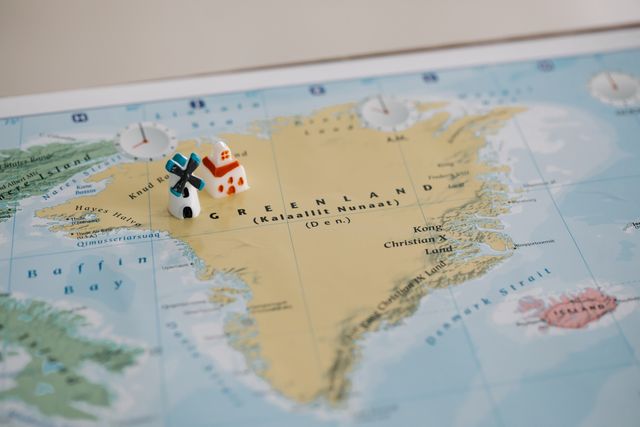
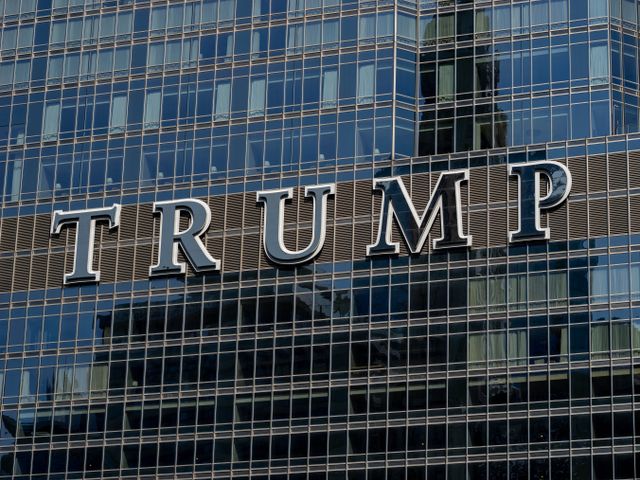
President Donald Trump used all caps to describe a new agreement with Greenland as a "dream come true," claiming the US would have a veto over sensitive investments and absolute security control. However, Denmark and Greenland are disputing his characterization, emphasizing their sovereignty and NATO's key role. The deal is expected to be signed this week in New York.
Venezuelan official Delcy Rodríguez landed in New Jersey to attend the 81st UN General Assembly in New York. Her agenda includes a meeting with President Donald Trump, marking a shift in bilateral relations.
California Governor Gavin Newsom signed a bill benefiting classic car owners, an initiative supported by enthusiast Jay Leno. The decision was made despite strong criticism from environmental groups concerned about the impact on the state's air quality.
Eighteen years after the Lehman Brothers collapse, the cost for the U.S. government to finance its debt is reaching figures not seen since before the 2008 global economic crisis. This situation highlights increasing pressure on the nation's finances and national budget.
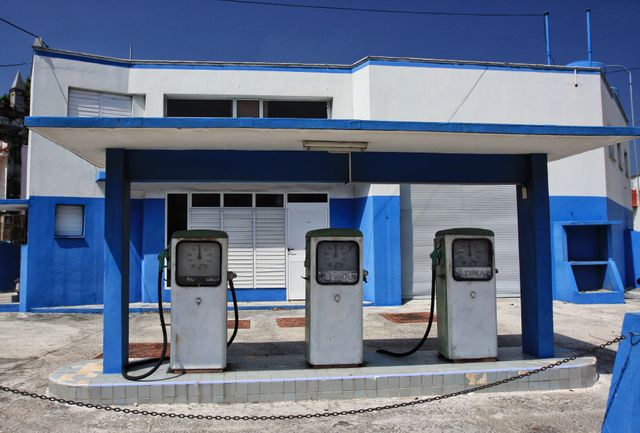
Despite US sanctions aimed at strengthening Cuba's private sector, most of the fuel imported from the United States ends up in the hands of the state and its military apparatus, according to a CUPET expert. Eight out of ten liters are allocated for state control, not for the people or independent businesses.
Mexican President Claudia Sheinbaum announced advancements in trade agreement negotiations with the United States, highlighting 22 conversations with Donald Trump. The talks focused on tariffs, avoiding security issues.
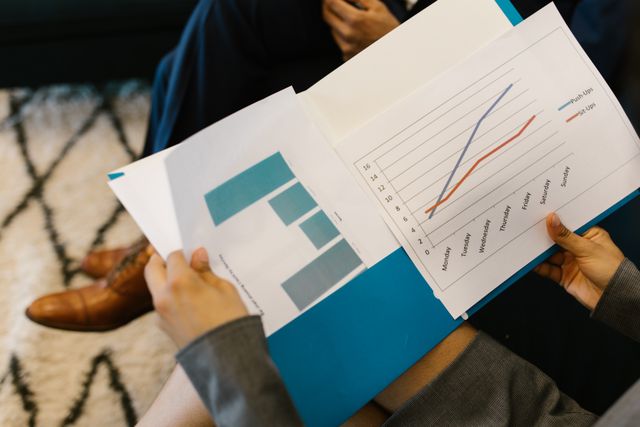
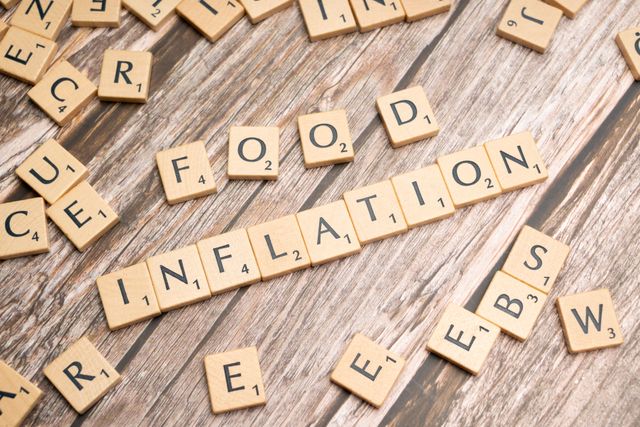
The core personal consumption expenditures (PCE) price index, the Federal Reserve's preferred inflation measure, increased 3.3% year-over-year in July. This figure remains above the central bank's 2% target, despite a decline in energy prices.
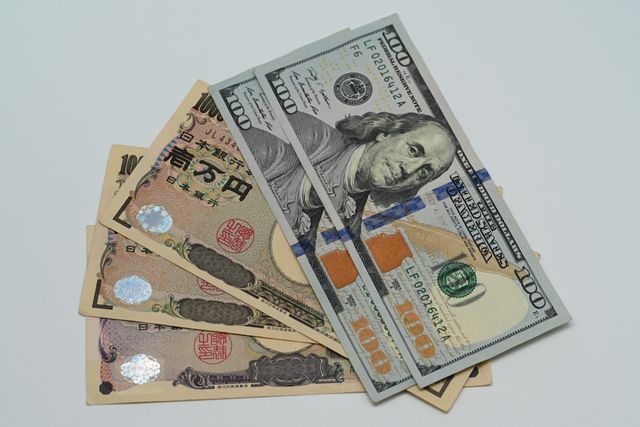
Anticipation of a potential interest rate hike by the U.S. Federal Reserve is strengthening the dollar, causing shifts in emerging market currencies. This trend affects regional currencies like the Mexican peso, although exact exchange rate data for today is not available in the latest reports.
A thought experiment, highlighted by MSN, poses a fascinating question: how would life, climate, and trade change if the United States moved to the South Pole and Antarctica to North America? We explore the consequences of this drastic geographical shift.
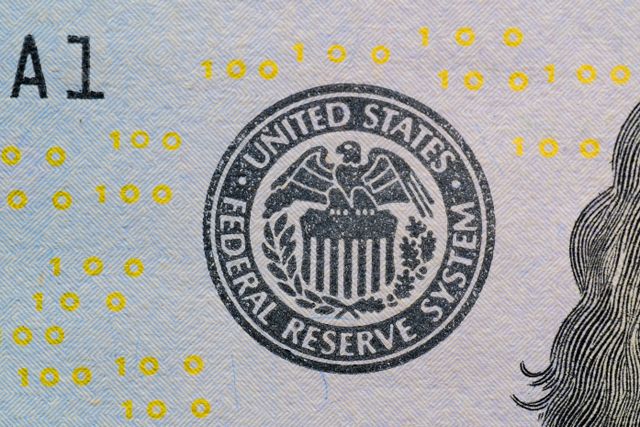
The U.S. Federal Reserve raised interest rates by a quarter point, setting them in a range of 3.75% to 4%, to curb inflation. This decision comes amidst escalating trade tensions with Canada, with new tariffs threatening consumer prices.
Canadian Prime Minister Mark Carney is pursuing closer ties with the European Union, a strategy that US President Donald Trump has dismissed as "laughable" and threatened with new tariffs. This move by Canada comes in response to rising trade tensions with its southern neighbor.
The US economy continued its growth during the second quarter of 2026, according to official data. However, this macroeconomic progress has yet to translate into clear relief for household budgets, as wages continue to lose value against rising prices.