6 Market and Fair Curiosities Few People Know About
From Colombia's vibrant Vallenato Legend Festival to Borges's profound influence on the literary world, markets and fairs hold fascinating stories beyond the obvious. Discover how culture and economy intertwine in these spaces.
ByMerry Melina5 min read
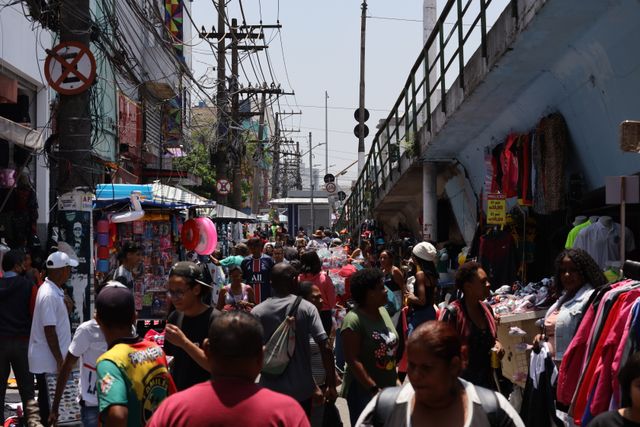
When we think of markets and fairs, the first things that come to mind are stalls full of products, people negotiating, and a lively atmosphere. But these spaces are much more than simple places to buy and sell. They are the heart of our communities, where history, culture, and economy intersect in surprising ways. Sometimes, the most interesting stories are hidden in plain sight.
Today, we're taking a stroll through some curiosities that will make you see these commercial and cultural gatherings with fresh eyes, from a festival that moves thousands in Colombia to the footprint of a literary genius who transformed the "market" of ideas.
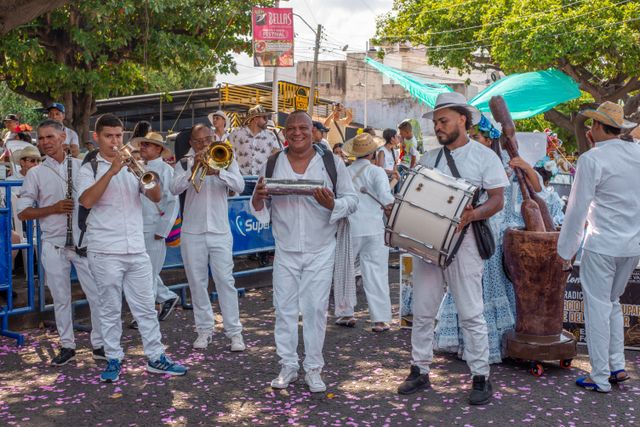
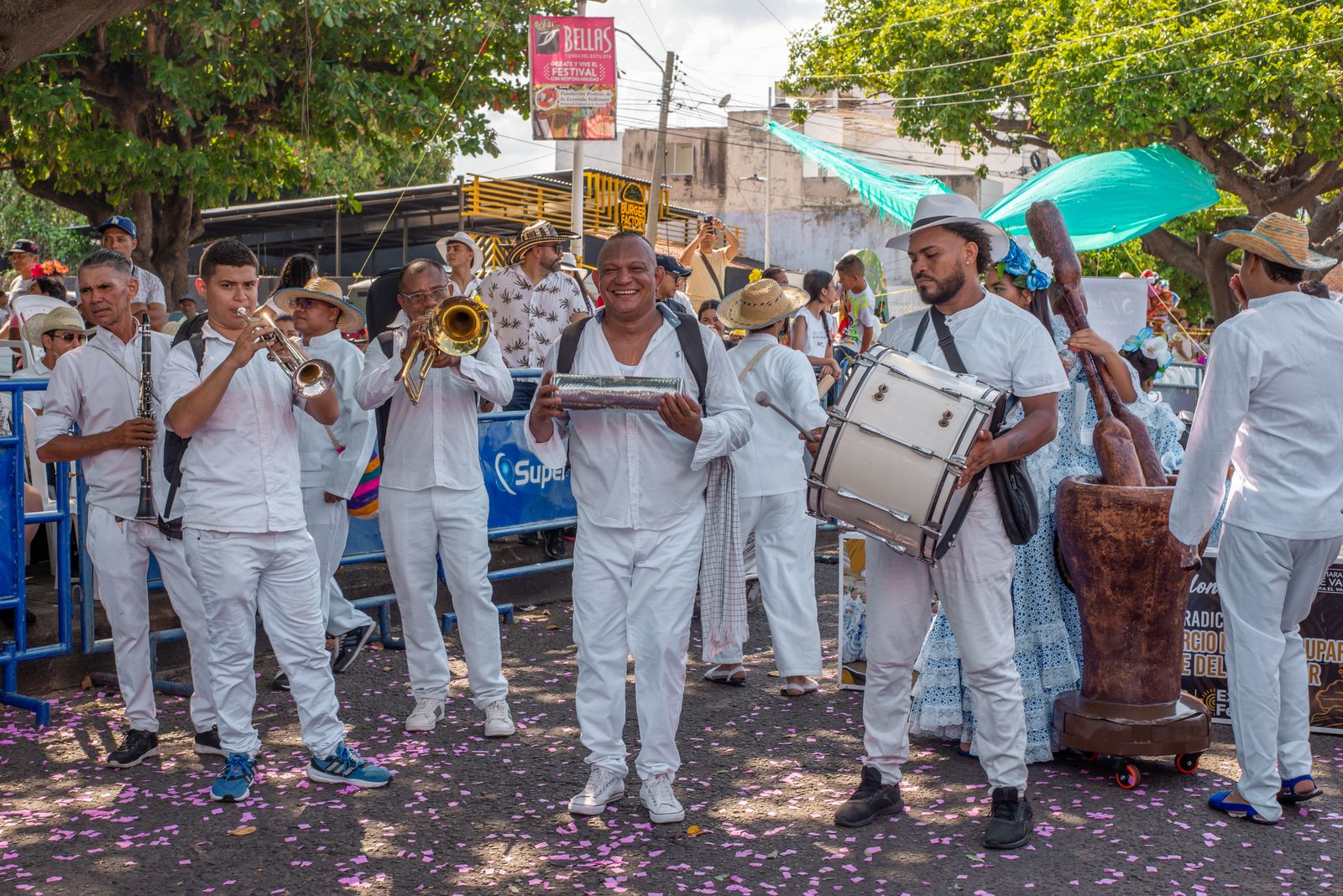
The Vallenato Legend Festival: A Cultural Magnet Attracting Thousands
Imagine a place where music is the soul of everything, and thousands of people travel from all over just to celebrate it. That's what happens every year in Valledupar, Colombia, with the famous Vallenato Legend Festival. This celebration isn't just a giant concert; it's the most important event for Vallenato, a musical genre that's a true symbol of Colombia.
This festival transforms Valledupar, known as the Vallenato World Capital, into a hive of activity. Thousands of visitors, both from Colombia and abroad, come to enjoy the music, dance, and local culture, as explained by Wikipedia. It's a cultural market at its finest, where experiences, traditions, and the joy of an entire community are "sold."
Valledupar: Beyond Music, a Caribbean Granary
While Valledupar shines for its festival, the city has an equally important economic side that feeds many markets. It's a key center for agricultural, agro-industrial, and livestock production in the Colombian Caribbean region, spanning from the north of the Cesar department to the south of La Guajira.
This productive capacity is the foundation of numerous local and regional markets, where food, raw materials, and processed products are exchanged. It's a reminder of how cities, beyond their cultural fame, are economic engines that sustain the lives of their inhabitants and surrounding areas, as we discussed in this article. The city's vibrant commercial activity is as vital as its accordions.
Valledupar's Name: A Homage to an Indigenous Leader
A city's name often holds secrets from its past, and Valledupar is no exception. Its name comes from "Valle de Upar," a tribute to Cacique Upar, a leader of the Chimila ethnic group who governed the region when Spanish conquistadors arrived. This curiosity directly connects us to the indigenous roots of the territory.
The story of how the city was named reminds us that, before any colonial market or modern festival, indigenous communities existed with their own forms of social and economic organization. This detail, as noted in Wikipedia, echoes a much older history, where exchange and community life were part of daily existence.
Founded on Three Kings' Day: Valledupar's Coincidence
Did you know that Valledupar was founded on a very special day? On January 6, 1550, Hernando de Santana established the city, and because it coincided with Three Kings' Day, it was named "Ciudad de los Santos Reyes del Valle de Upar" (City of the Holy Kings of the Upar Valley). This happy coincidence gave the city a long name and a connection to one of the most beloved festivities.
This curiosity about its founding, also mentioned in Wikipedia, adds a touch of magic and tradition to Valledupar's identity. The city's markets and squares, from their beginnings, were imbued with this festive and communal spirit, making every gathering, in a way, a small celebration.
Valledupar's Strategic Location Amidst Coal Mines
Beyond its musical and agricultural fame, Valledupar has a surprising geographical location that connects it to a "market" of global proportions: coal. The city lies at an intermediate point between Cerrejón and the La Loma - La Jagua mining complex, Colombia's two largest coal mining basins.
This strategic situation, according to information from Wikipedia, reveals a lesser-known facet of the city. While its streets resonate with vallenato music, underground there's a vital connection to natural resource markets that drive economies worldwide. It's a curiosity that shows how a single place can be important for such different "markets."
Jorge Luis Borges: The "Seller" of Literary Labyrinths and Dreams
While we're not talking about a physical market, the world of ideas and literature also has its own "markets" and its great "sellers." Jorge Luis Borges, the celebrated Argentine writer, is a clear example. His works, such as Ficciones and El Aleph, didn't just tell stories; they transformed the way literature was written and read in Spanish and around the world.
Borges, with his themes of dreams, labyrinths, libraries, and mirrors, not only left a mark on philosophical and fantastic literature, but also "profoundly influenced the magical realism of Latin American literature during the 20th century," as his biography on Wikipedia notes. He renewed the language of fiction, opening a path for an entire generation of novelists. He was, in essence, an innovator who redefined the literary "product" and its "market," demonstrating that ideas are also bought and sold, and can change the world.
Why it matters
These curiosities remind us that markets and fairs are more than just commercial transactions. They are meeting points where history, geography, and human creativity manifest. Each of these places and figures tells us a story about how communities form, prosper, and leave their mark on the world, whether through music, agriculture, or words.
Script for your video
Runs about 48 secMake short videos? This script sums up the story so you can read it off your teleprompter and record a Reel, a Short, or a TikTok.
Title for your video
Valledupar: More than Vallenato! Secrets of a Cultural
How to use it
- 1Pick the length — 1 or 2 minutes — and tap “Copy script.”
- 2Paste it into the teleprompter app on your phone, or read it off the screen.
- 3Record vertically and post it to Reels, Shorts, or TikTok.
It's free to use, and you can monetize your video. We only ask that you say where you read it: the script already ends with “The full story is on losupe.com.”
Sources
TopicsMarketsFairsCultureEconomyValleduparBorges