7 Surprising Facts About Markets and Fairs That Will Change Your Perspective
From festivals driving entire economies to how colonial laws shaped identity and markets, discover little-known aspects of commerce. We invite you to look beyond a simple transaction.
ByMerry Melina6 min read
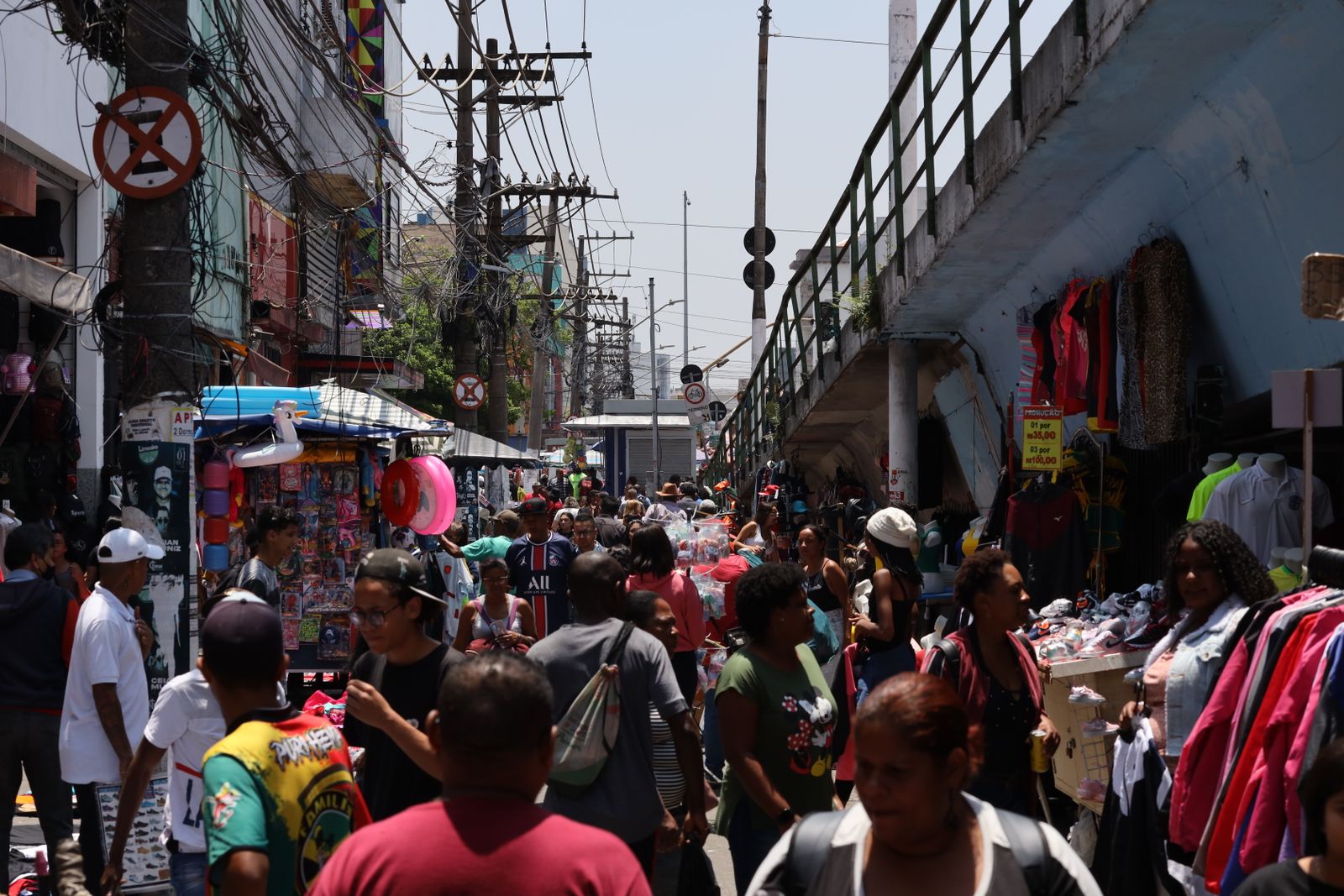
Markets and fairs are much more than just places where we buy and sell things. They are the heart of many communities, spaces where culture, history, and economy intertwine in surprising ways. Sometimes, behind a simple transaction, there are centuries of history or a complex web of meanings that we don't always see at first glance.
Today, we want to share seven curiosities we've uncovered that will make you look at these spaces with fresh eyes. From a music festival that becomes the economic engine of an entire region to the deep historical roots that defined who could sell what and to whom, these facts show us the richness and humanity present in every exchange.
The Vallenato Festival: An Economic Engine Beating in Colombia
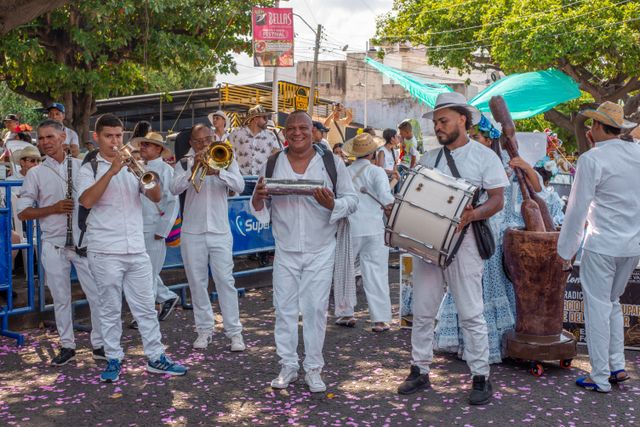
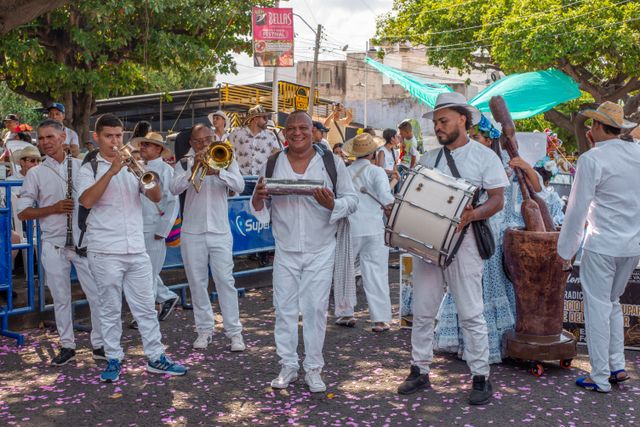
Few cultural events have the economic and social impact of the Vallenato Legend Festival, held annually in Valledupar, Colombia. This city, known as the "World Capital of Vallenato," completely transforms during the festival, attracting thousands of visitors from both Colombia and abroad, according to Wikipedia.
The festival is not just a celebration of vallenato music, an emblematic Colombian folk genre, but also a fair of opportunities. It boosts tourism, hospitality, gastronomy, and local commerce, demonstrating how a cultural event can be a true economic driver for an entire region. It's a clear example of how culture can open up a vibrant and lively market.
A City Founded on Three Kings' Day: The Origin of a Name with History
Valledupar has a full name that offers a glimpse into its origins: "City of the Holy Kings of the Upar Valley." It was founded on January 6, 1550, a date that coincides with Three Kings' Day, a celebration with a strong tradition of exchange and gift-giving. Capuchin friars gave it this name in honor of the Three Wise Men, as explained on Wikipedia.
This detail reminds us how, from their beginnings, cities and their markets have been linked to festivities and moments of exchange. Three Kings' Day, with its symbolism of gift-giving, reflects one of the oldest and most human forms of commerce, based on generosity and community celebration.
Beyond Music: Valledupar, an Agricultural and Livestock Hub
Although vallenato music brings it global fame, Valledupar's economy has deep roots in the land. It is a vital center for agricultural, agro-industrial, and livestock production in the region, an intermediary point between the coal basins of Cerrejón and La Loma - La Jagua. This activity makes the city a key regional market for basic products, as detailed by the encyclopedia.
This lesser-known facet highlights that, behind any fair or festival, there is often a solid economic foundation that sustains the daily lives of its inhabitants. Fresh produce markets, livestock sales, and food processing are the silent engine that allows the city to thrive and its major cultural events to take place.
When "Indian" Was a Colonial Administrative Label
In Mexico, the term "Indian" was not always a cultural or biological identity, but an administrative category imposed by the colonial regime. Anthropologist Guillermo Bonfil Batalla coined the concept of "de-Indianization" to explain how indigenous peoples were forced to renounce their identity. This colonial category homogenized them under a common denominator of legal and social inferiority, directly affecting their participation in markets and access to resources, according to information from Wikipedia.
This curiosity shows us how power structures can create "markets" of identity, where certain labels define people's value and opportunities. "De-Indianization" was not only a cultural process but also an economic one, limiting the access and autonomy of indigenous communities within the colonial system.
The "Republics of Indians": Self-Governance and Local Markets Under Colonial Rule
During the Viceroyalty of New Spain, indigenous communities were not only subjugated but also allowed to organize "republics of Indians." These were towns and neighborhoods with their own governments, albeit under colonial tutelage. In these republics, communities managed their own affairs, including their local economies and internal markets, before the Bourbon reforms of the 18th century began to dismantle this model, according to the same source.
These self-governance systems represent an early form of community markets, where decisions about the production, exchange, and distribution of goods were made at a local level. It's a reminder that markets can take many forms, some of them deeply rooted in autonomy and community organization.
The Lerdo Law and the 1857 Constitution: The End of Communal Land
After Mexico's Independence, the idea that all citizens were equal had a paradoxical impact on indigenous communities. The Lerdo Law of 1856 and the 1857 Constitution stripped these communities of their communal lands. This meant a radical change in property structure and, therefore, in agricultural and resource markets. What was once shared and collectively managed became private property, as explained on Wikipedia.
This was a key moment in the history of Mexican markets, where a political decision completely transformed access to land and the way goods were produced and traded. Changes in land ownership deeply affected the lives of thousands of people, forcing them to adapt to new economic dynamics that broke with centuries of tradition.
"Re-Indianization": A New Push for Identity and Communality
Since the late 20th century, and especially after the Zapatista uprising in 1994, a "re-Indianization" movement has emerged in Mexico. Intellectuals, writers, and entire communities are reclaiming the word "indigenous" as their own political and cultural banner. This movement seeks to dismantle inherited colonial categories and promote the indigenous communal way of life, based on collective work and assemblies, known as "comunalidad," according to Wikipedia.
This revaluation of indigenous identity has direct implications for how communities organize themselves economically. By prioritizing communality, they seek models of exchange and production that respect their traditions and autonomy, thereby creating new "markets" for local products, handicrafts, and services that reflect their values. As we covered in this article, community life and its markets are a reflection of its people.
Why it matters
These curiosities remind us that markets and fairs are living spaces, reflections of a society's history, culture, and political decisions. Every purchase, every sale, every festival is a piece of a larger puzzle that tells us who we are and how we organize ourselves. Understanding these details helps us appreciate the richness of our commercial traditions and the constant evolution of how we relate through exchange.
Script for your video
Runs about 42 secMake short videos? This script sums up the story so you can read it off your teleprompter and record a Reel, a Short, or a TikTok.
Title for your video
Markets: More Than Just Shopping, They're Living History!
How to use it
- 1Pick the length — 1 or 2 minutes — and tap “Copy script.”
- 2Paste it into the teleprompter app on your phone, or read it off the screen.
- 3Record vertically and post it to Reels, Shorts, or TikTok.
It's free to use, and you can monetize your video. We only ask that you say where you read it: the script already ends with “The full story is on losupe.com.”
Sources
TopicsMarketsFairsCultureEconomyHistoryCommerce