A Market and Fair Curiosity: Valledupar, Capital of Vallenato and Agriculture
How does a city known for its agricultural and livestock production become the global epicenter of a music genre? The story of Valledupar, Colombia, reveals how markets and fairs can be much more than just commerce.
ByMerry Melina4 min read
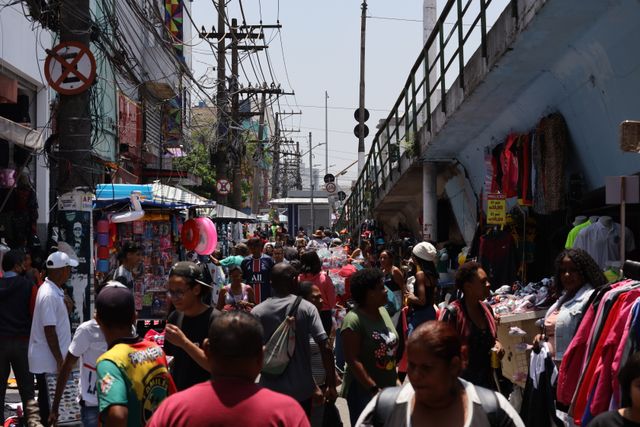
Markets and fairs are fascinating spaces, aren't they? They're not just places for buying and selling; they're often the heart of many communities, where culture, history, and daily life intertwine. As we've mentioned in other articles, sometimes they hide stories that make us see commerce in a completely different light. Today, we want to tell you one of those curiosities that will make you ponder the richness behind every exchange.
The Agricultural Heart of a Region
Imagine a city that serves as the engine for a vast agricultural region. That's Valledupar, capital of the Cesar department in the Colombian Caribbean. Strategically located between the imposing Sierra Nevada de Santa Marta and the Serranía del Perijá mountain ranges, on the banks of rivers like the Guatapurí, this city is a vital hub for agricultural, agro-industrial, and livestock production. From its beginnings, back on January 6, 1550, when it was founded by Hernando de Santana, its fertile valley has been the foundation of its economy and the livelihood of its people, as Wikipedia explains.
Here, the "market" is a constant, palpable activity. Cattle ranches and crops form the backbone of the local economy, creating jobs and supplying not only the city but a large part of northern Colombia. It's a place where the hard work of farming the land and caring for livestock is felt on every corner, and where life revolves around the cycles of planting and harvesting, and the buying and selling of fresh produce and animals.
The World Capital of Vallenato and its Grand Festival
But Valledupar is not just an agricultural powerhouse. It's also the epicenter of one of Colombia's most vibrant and recognized cultural expressions: vallenato music. The city has been declared the World Capital of Vallenato and is the birthplace of this musical genre, which is now a national symbol. Can you imagine how a city so deeply rooted in the land can, at the same time, be the capital of music that makes an entire country dance?
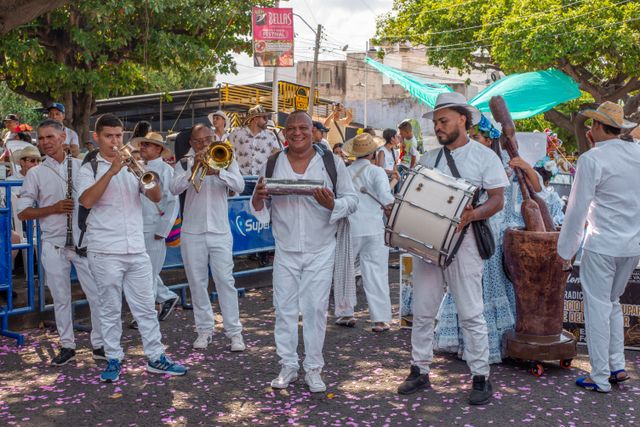
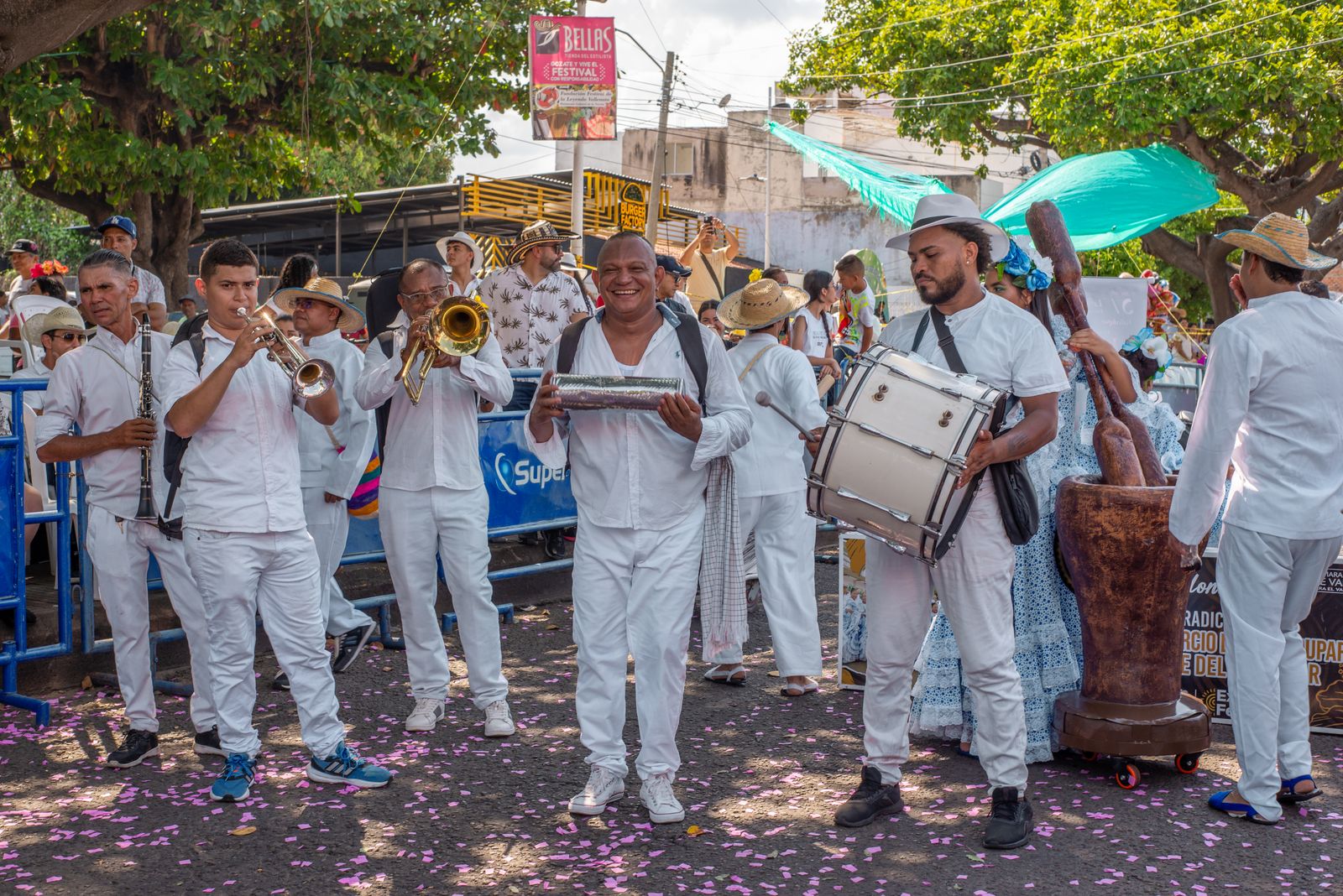
Every year, this duality becomes even more apparent during the Festival de la Leyenda Vallenata (Vallenato Legend Festival). Thousands of visitors, both from Colombia and abroad, flock to Valledupar to immerse themselves in a festival that celebrates music, poetry, and tradition. It's a "fair" in the broadest and most joyful sense of the word, where the competition among accordion players, composers, and versifiers is as important as the reunion of families and friends, and the enjoyment of local gastronomy. The festival's energy is contagious and completely transforms the city, showcasing its festive and welcoming soul.
When the Market Becomes a Party and the Party Boosts the Market
What's truly fascinating about Valledupar is how these two identities—the agricultural and the musical—not only coexist but also enrich each other. The Vallenato Legend Festival, while a cultural celebration, has an immense economic impact. During those days, hotels fill up, restaurants thrive, artisans sell their creations, and transportation buzzes. The region's agricultural products find an expanded market among visitors, and the city becomes a grand showcase where the smell of damp earth mingles with the notes of the accordion.
Even the origin of its name speaks to this blend. Although "Valledupar" comes from the Cesar River valley and the indigenous chief Upar, the Capuchin friars gave it the name "City of the Holy Kings of Upar Valley" because it was founded on January 6, Three Kings' Day. This historical detail, blending indigenous tradition with a Christian festivity, is a small reflection of how the city has managed to unite its deepest roots with celebrations that are now recognized worldwide.
Why it matters
Valledupar teaches us that markets and fairs are much more than commercial transactions. They are meeting points where history, culture, and economy merge, creating unique and vibrant places. The story of this Colombian city is a beautiful reminder of how tradition, hard work, and celebration can coexist, bringing to life a spirit that attracts thousands and enriches everyone.
Script for your video
Runs about 52 secMake short videos? This script sums up the story so you can read it off your teleprompter and record a Reel, a Short, or a TikTok.
Title for your video
Valledupar: Agricultural and Vallenato World Capital
How to use it
- 1Pick the length — 1 or 2 minutes — and tap “Copy script.”
- 2Paste it into the teleprompter app on your phone, or read it off the screen.
- 3Record vertically and post it to Reels, Shorts, or TikTok.
It's free to use, and you can monetize your video. We only ask that you say where you read it: the script already ends with “The full story is on losupe.com.”
Sources
TopicsValleduparVallenatoFestivalColombiaMarketsFairsCultureAgriculture