6 Little-Known Facts About Markets and Community Life
From the origin of an iconic festival in Colombia to how indigenous communities in Mexico reinvented their economies, markets are more than just places of exchange. Discover surprising stories that show us how these spaces have shaped our culture.
ByMerry Melina5 min read
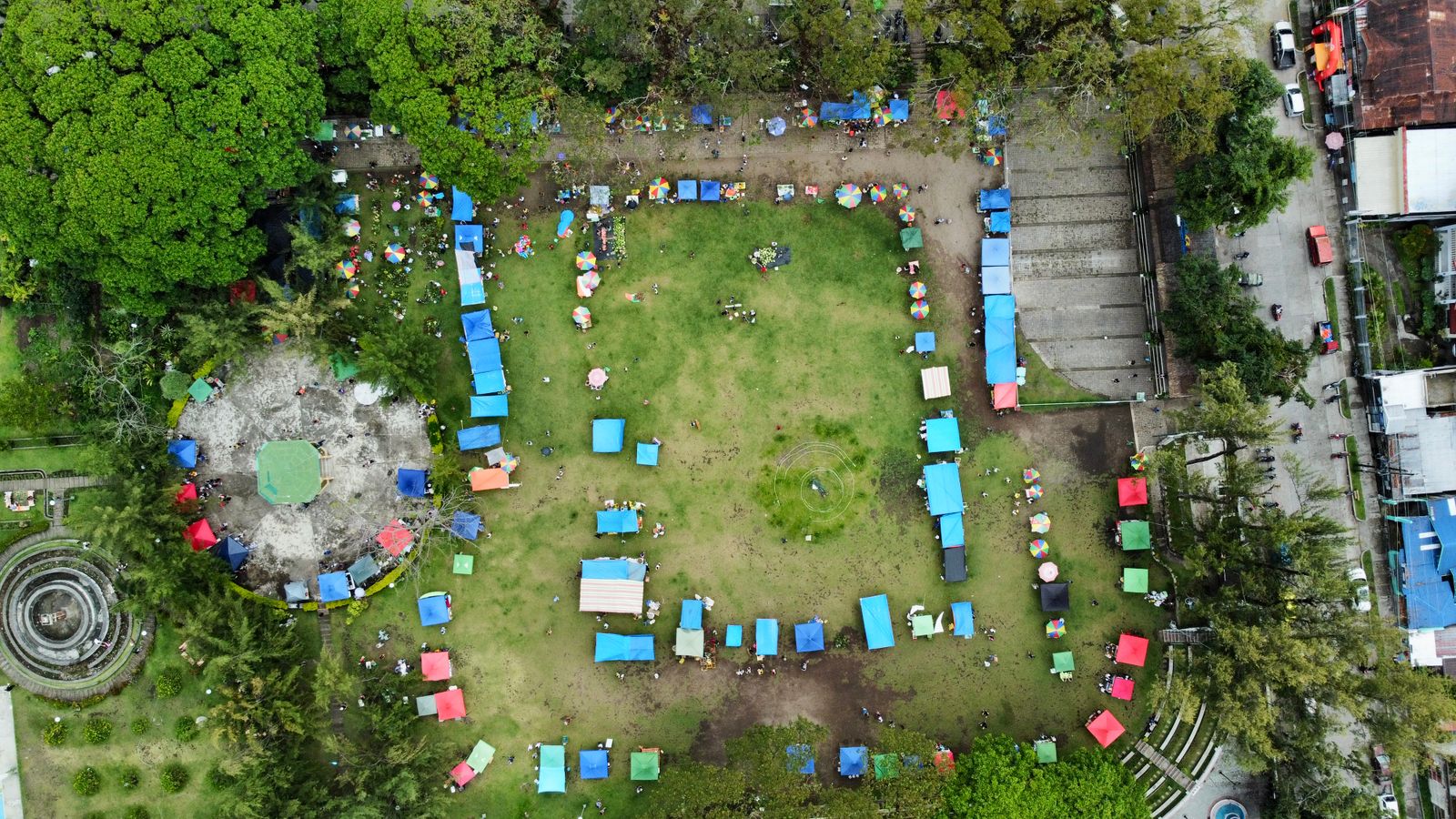
Markets and fairs are much more than simple places where we buy and sell. They are the heart of our communities, a reflection of our history, and often the foundation of our culture. Behind every stall, every celebration, there are fascinating stories that tell us how we have interacted over time. Get ready to discover some little-known facts about these spaces that have shaped our community life, from ancient traditions to vibrant festivals.
Beyond the Stall: Stories You Didn't Know
1. The Festival Born from a River and a Legend
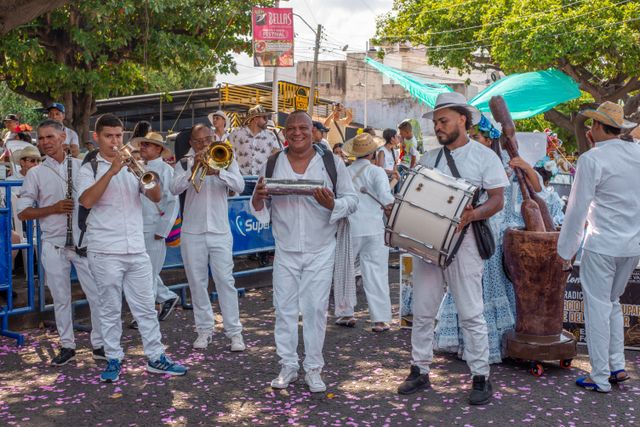
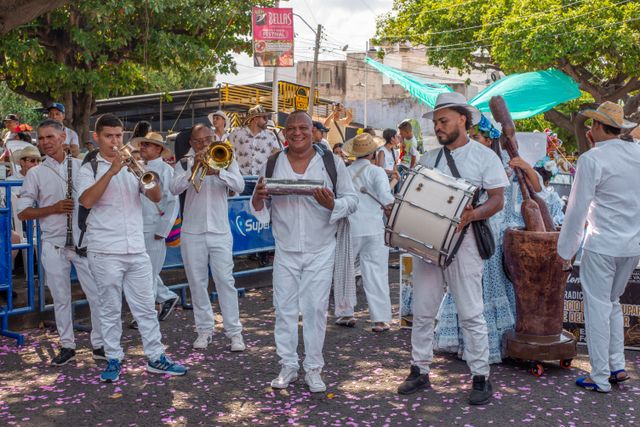
Valledupar, known as the World Capital of Vallenato, comes alive each year with its famous Vallenato Legend Festival. This event, which attracts thousands of visitors from Colombia and other countries, is the highlight of the region's musical culture. Here, music, tradition, and local commerce merge, showcasing the importance of cultural events as large "markets" of experiences and products.
The city itself has a deep connection to its natural surroundings, nestled on the banks of the Guatapurí River, which in the Chimila language means "cold water." This privileged location in the Cesar River valley has been key to its development as an agricultural and livestock center, as noted by Wikipedia. The festival, in a way, is a modern extension of the vitality that has always defined the region.
2. A Town Founded on Three Kings' Day
Valledupar's history is marked by a curious coincidence. It was founded on January 6, 1550, a date that the Spanish conquerors, Hernando de Santana and Juan de Castellanos, did not choose by chance. That day marks Three Kings' Day. For this reason, the Capuchin friars named the city "Ciudad de los Santos Reyes del Valle de Upar" (City of the Holy Kings of the Upar Valley), as explained by Wikipedia.
This connection to such an important festivity highlights how religious celebrations often served as the backdrop for markets and fairs of old. On these dates, people gathered to honor their saints, but also to trade, socialize, and strengthen community ties. Valledupar's founding is a reminder of that intimate relationship between faith, festivity, and commerce.
3. A Chief's Name That Marked a Valley
Valledupar's name, in addition to its reference to the Three Kings, is a tribute to Cacique Upar, leader of the Chimila ethnic group who inhabited the region before the arrival of the Spanish. Captain Francisco Salguero, a Spanish conqueror, decided to name the area in his honor. Over time, the name was shortened to Valledupar, meaning the "Valley of Cacique Upar," as detailed in Wikipedia.
This toponymy speaks to the geographical and social importance of valleys as meeting points and, indeed, places of exchange. Before cities, fertile valleys were the great natural "markets," where various communities settled and coexisted, trading agricultural and livestock products. It's a reminder of how the land and its leaders shaped the first hubs of economic activity.
4. The Economic Foundation: From Field to City
Today, Valledupar is not only a vibrant cultural center but also an economic pillar for its region. It stands out as an important center for agricultural, agro-industrial, and livestock production in the north of the Cesar department and the south of La Guajira, according to Wikipedia. This focus on primary production is the basis of many local and regional markets.
The history of markets is largely the story of how communities have cultivated the land and raised animals to feed their inhabitants and trade surpluses. It is the essence of exchange, where labor from the fields is transformed into goods that sustain the population and allow for the growth of cities like Valledupar.
5. The "Republics of Indians": Markets and Colonial Self-Governance
In colonial Mexico, the "republics of Indians" were a very particular form of organization. These were towns and neighborhoods with their own governments, albeit under colonial supervision, as explained in the Wikipedia article on desindianización (de-Indianization). Although not markets in the modern sense, they functioned as self-sufficient economic and social units where resources were managed and internal exchanges took place.
These structures allowed indigenous communities to maintain certain aspects of their traditional organization, including their own forms of local economy and trade. The dissolution of these republics, especially with laws like the Ley Lerdo in the 19th century, had a profound impact on the communal land ownership and, consequently, on the economic systems these communities had developed.
6. "Comunalidad": Another Way to Live and Trade
In contrast to colonial structures and Western markets, many indigenous communities in Mexico are governed by "comunalidad" (communality). This is a community way of life based on collective work and assemblies, a form of organization that prioritizes group well-being over individual gain, as described by authors like Yásnaya Elena Aguilar Gil and Jaime Martínez Luna in the same Wikipedia article.
Here, the "market" is the communal space itself. Goods and services are often produced and distributed through cooperation, tequio (collective work), and mutual exchange, rather than purely monetary transactions. It's an important curiosity because it shows us that other models of economic interaction exist and have existed, very different from those that dominate today, valuing collaboration and reciprocity.
Why It Matters
Looking at these curiosities, we realize that markets and community life are much more than simple transactions. They reflect people's history, culture, and adaptability. From vibrant festivals that unite thousands to economic systems based on ancestral cooperation, each example teaches us about the richness of human interactions and how they shape our world.
Script for your video
Runs about 45 secMake short videos? This script sums up the story so you can read it off your teleprompter and record a Reel, a Short, or a TikTok.
Title for your video
Valledupar: Did you know its origin is a legend? Discover
How to use it
- 1Pick the length — 1 or 2 minutes — and tap “Copy script.”
- 2Paste it into the teleprompter app on your phone, or read it off the screen.
- 3Record vertically and post it to Reels, Shorts, or TikTok.
It's free to use, and you can monetize your video. We only ask that you say where you read it: the script already ends with “The full story is on losupe.com.”
Sources
TopicsMarketsFairsCommunitiesHistoryEconomyCultureValleduparMexico